


In a major boost to grassroots trade and economic revitalization, Kitui County is set to benefit from the construction of state-of-the-art Ksh 50 million Economic Stimulus Programme (ESP) markets during the upcoming financial year.
According to a tender advertisement by the Ministry of Public Works, Housing and Urban Development, five key trading centres have been earmarked for the development of these markets. These include Tulia Market in Mutonguni (Kitui West), Kisasi Market in Kitui Rural, Wikililye and Zombe in Kitui East, and Nuu Ward in Mwingi Central.
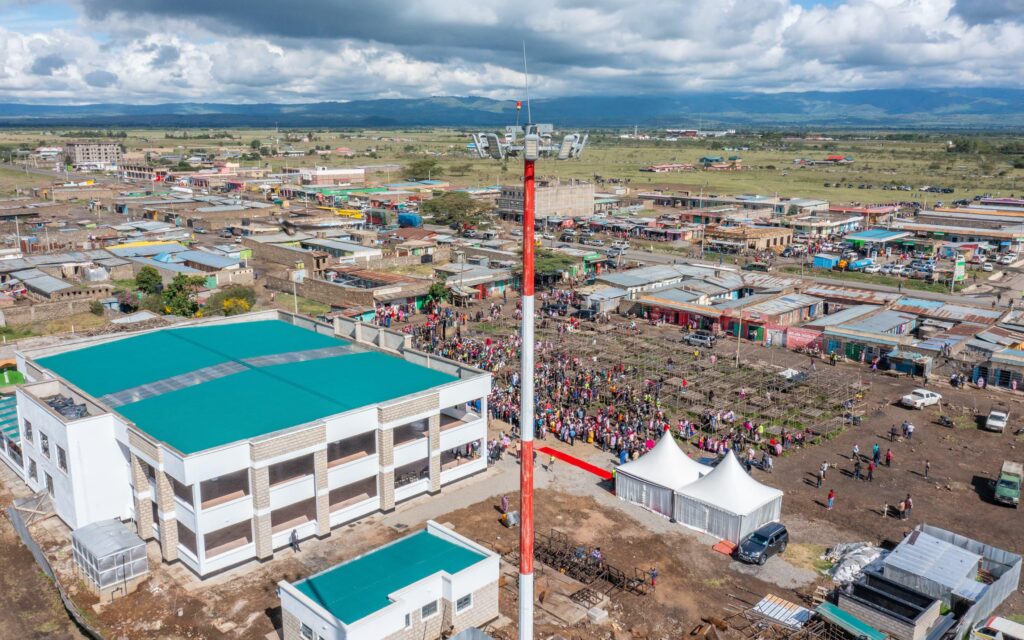
Each of these modern markets is expected to cost Ksh 50 million, making it one of the largest single-project investments in rural trading infrastructure in Kitui County in recent years.
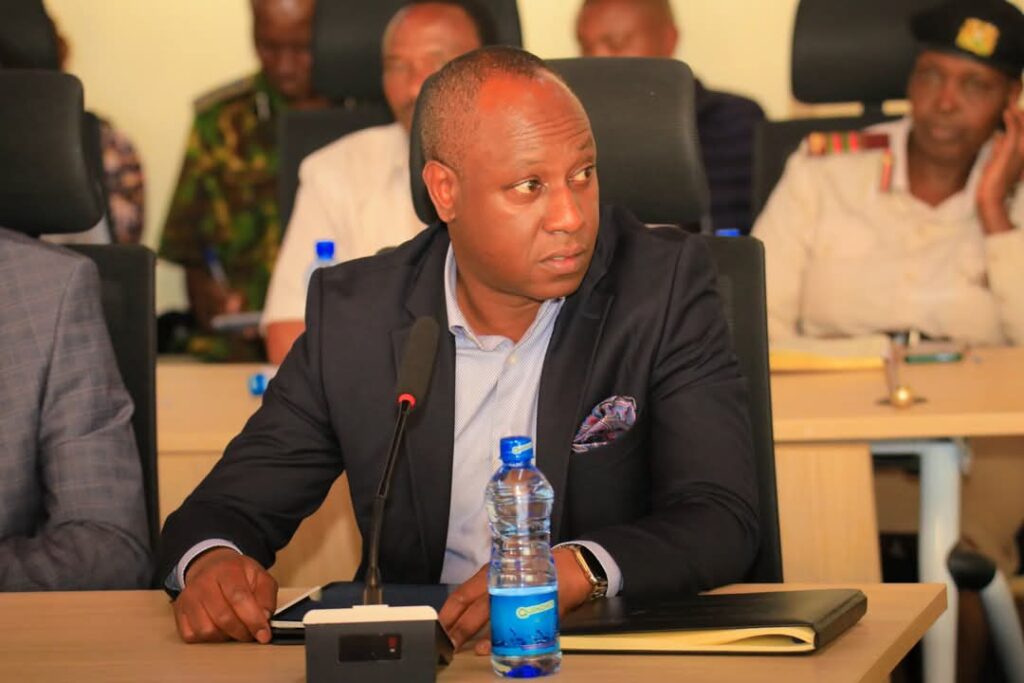
Livestock PS Jonathan Mueke in Kitui:
Livestock Principal Secretary Jonathan Mueke during a recent development tour in Kitui. Mueke is among key leaders championing the rollout of Ksh 50 million ESP markets in the county, signaling a new era for grassroots commerce in Ukambani.
The development has been strongly championed by key leaders from the region, notably Livestock Principal Secretary Jonathan Mueke, Kitui East MP Nimrod Mbai, and a host of other UDA-aligned officials who have been lobbying for increased national government presence in the region.
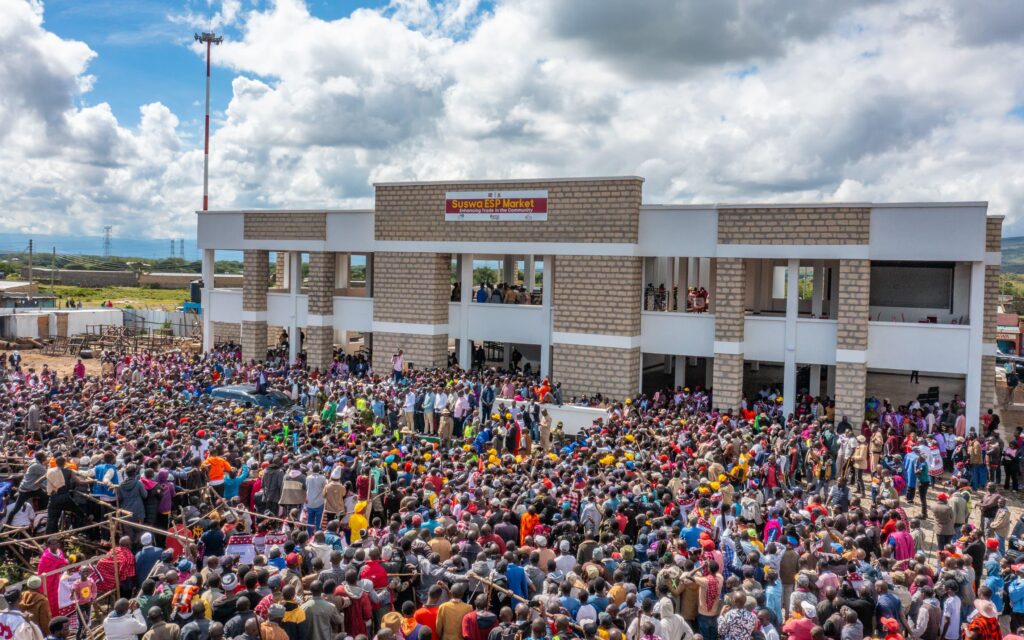
A senior UDA figure in Kitui revealed to Channel 15 News that President William Ruto is scheduled to commission the projects during his forthcoming development tour of the Ukambani region.
“This is a deliberate move by the President to uplift the economic status of local communities in Kitui and across Ukambani. The ESP markets will be commissioned personally by him during his visit,” the source said.
What Are ESP Markets?
The Economic Stimulus Programme (ESP), introduced in 2009, was designed to fast-track Kenya’s economic recovery following the 2007–08 post-election crisis and global recession. Its objectives include job creation, regional equity, infrastructure expansion, and support for small enterprises.
ESP markets are specialized public markets designed to replace the often-chaotic open-air trading spaces that dominate rural Kenya. They typically feature smart stalls, cold storage, proper sanitation, digital payment hubs, and waste disposal systems, offering traders a clean and organized working environment.
Why It Matters for Local Traders
The construction of ESP markets in Kitui is expected to breathe life into the small business ecosystem, particularly for women, youth, and informal traders who dominate the rural economy.
“Markets like Kisasi and Nuu have long operated under makeshift structures with little access to clean water or security. This will finally restore dignity and stability to our trade,” said Miriam Mueni, a cereals vendor in Mwingi Central.

The construction phase is also expected to provide short-term jobs for local artisans and laborers, while the completed markets will stimulate long-term economic activity in their respective areas.
More Than Just Markets
Channel 15 News understands that President Ruto is also expected to re-launch the long-stalled construction of the Kitui–Kibwezi Road, which had come to a halt at Mbodoni. The road, a critical transport corridor linking Kitui to the Mombasa-Nairobi Highway, is seen as a strategic asset for trade, mobility, and emergency response across the region.
The revival of the road project, combined with the rollout of the ESP markets, reflects a growing wave of national government investment in Kitui County — a region traditionally seen as opposition stronghold but now increasingly targeted for infrastructure development.
The planned ESP markets and the anticipated resumption of the Kitui–Kibwezi Road project mark a transformative moment for the county. With President Ruto’s expected tour and commissioning, the people of Kitui can look forward to not just promises but tangible progress in the days ahead.
