


National Liberal Party (NLP) leader Dr. Augustus Kyalo Muli has issued one of the clearest political challenges yet to Wiper leader , telling him that his long-standing presidential ambitions will only gain credibility if he can first unite Ukambani’s often fragmented political leadership.
In a carefully crafted statement that signals growing political maneuvering ahead of the 2027 General Election, Dr. Muli urged Mr. Musyoka to embrace rival political parties and leaders within the region rather than pursue a strategy that leaves smaller formations feeling sidelined.
The statement, titled “I Choose Unity, Not Betrayal,” positions Dr. Muli as a vocal advocate for a broad regional coalition while simultaneously placing pressure on Mr. Musyoka to demonstrate that he can build consensus at home before seeking support nationally.
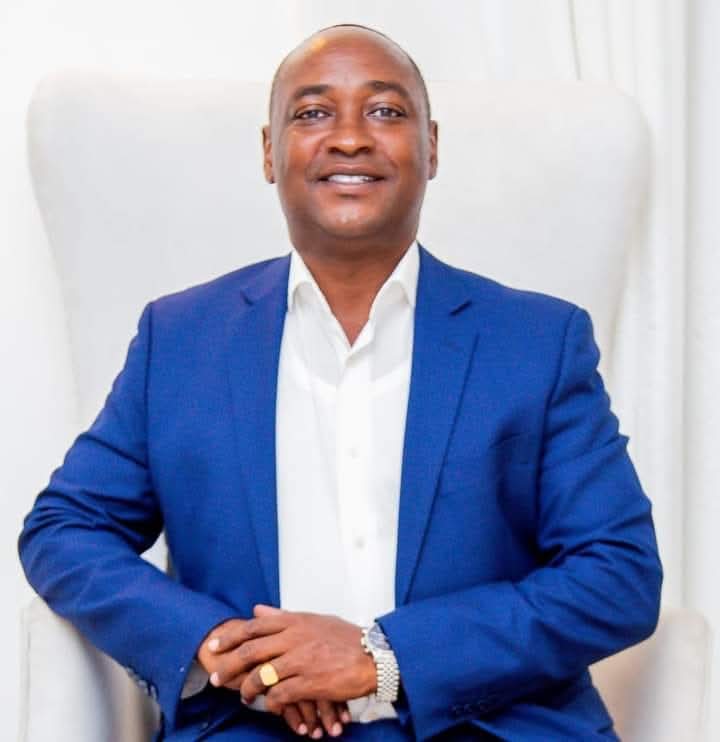
“If you seek to lead Kenya, first demonstrate the ability to unite Ukambani,” Dr. Muli said. “Show the nation that you can bring your own house together. Show that you can work with your own people before asking fifty million Kenyans to trust you with the presidency.”
The remarks come at a time when political temperatures are beginning to rise across the country, with parties quietly laying the groundwork for alliances and succession battles expected to define the 2027 race.
While acknowledging Wiper’s dominance in the Ukambani region, Dr. Muli argued that political strength alone should not translate into exclusion. He noted that several parties enjoy substantial support across Kitui, Machakos and Makueni counties and should be treated as equal stakeholders in any regional political arrangement.
His message appeared aimed at preventing what some leaders perceive as attempts by larger parties to absorb smaller political outfits ahead of the next election.
“Unity must not mean one party swallowing all others,” he said. “Unity must mean respect. Unity must mean compromise.”
Dr. Muli proposed the formation of what he described as a homegrown Ukambani coalition bringing together Wiper, NLP, PICK, Muungano, MCC and other like-minded leaders to negotiate a common political agenda before engaging national partners.
According to him, a united regional front would not only strengthen Ukambani’s bargaining power in national politics but also improve the chances of one of its leaders ascending to the country’s highest office.
Political analysts have long argued that despite producing influential national figures, Ukambani has often struggled to convert its voting strength into a decisive national political bloc due to internal rivalries and competing interests among leaders.
It is against this backdrop that Dr. Muli’s latest intervention is likely to ignite debate across the region, particularly as questions emerge over who will shape the region’s political direction heading into 2027.
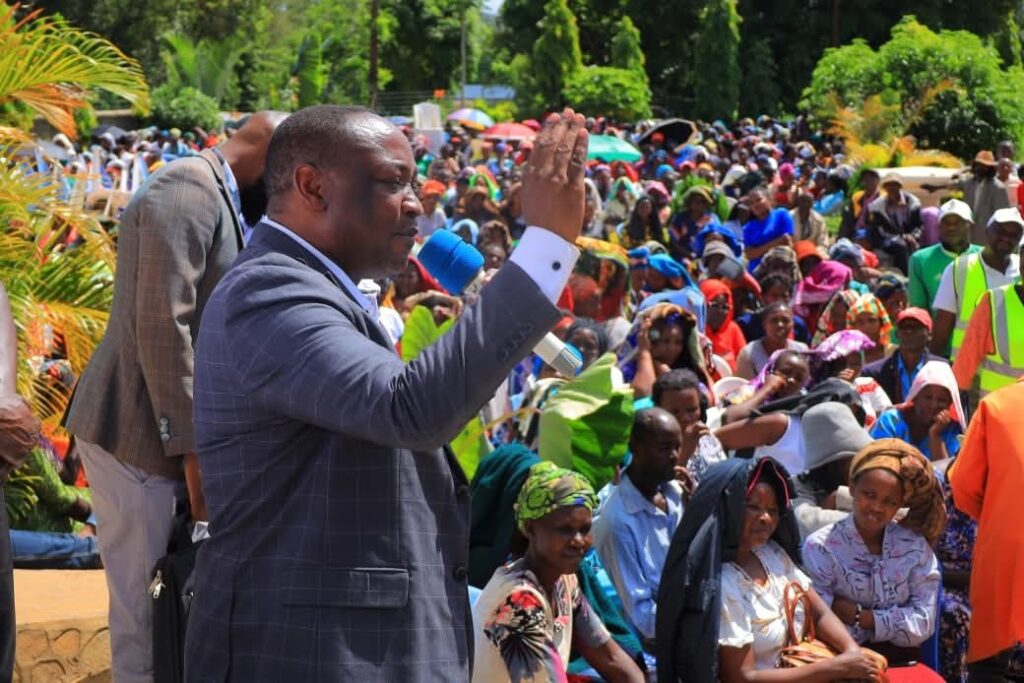
The NLP leader also sought to portray his position as one driven by public sentiment rather than personal ambition, saying ordinary citizens were increasingly demanding cooperation among leaders while grappling with economic hardships, unemployment and the high cost of living.
He maintained that any unity initiative must ultimately benefit wananchi rather than politicians seeking positions and influence.
The statement further highlighted Dr. Muli’s role in legal battles surrounding the reconstitution of the Independent Electoral and Boundaries Commission (IEBC), which he cited as evidence of his commitment to democratic reforms and national stability.
By directly addressing Mr. Musyoka and calling for rival parties to be brought “to the table as equals”, Dr. Muli has injected a new dimension into the Ukambani unity debate—one that could shape not only regional politics but also the broader opposition realignments expected before the next General Election.
Whether the call translates into meaningful dialogue among the region’s political players remains to be seen. However, the message from Dr. Muli is unmistakable: if Ukambani is to mount a serious bid for State House in 2027, unity must come before ambition.
