


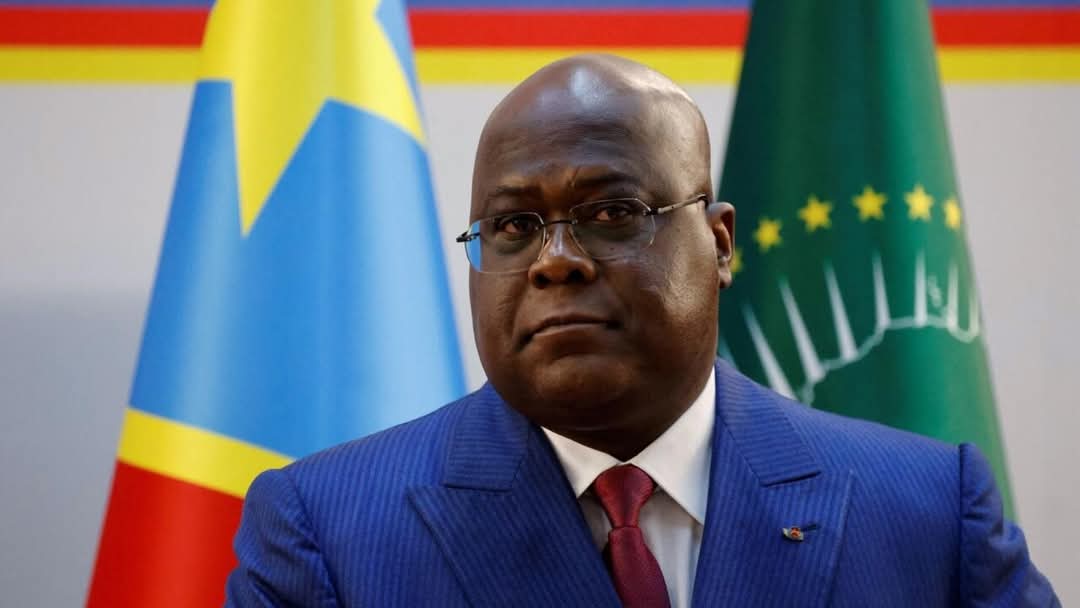
The highly anticipated EAC-SADC summit, convened to address the volatile security situation in the eastern Democratic Republic of Congo (DRC), has been overshadowed by the conspicuous absence of President Félix Tshisekedi. In a move laden with political undertones, Tshisekedi opted to remain in Kinshasa, delegating Prime Minister Judith Suminwa to represent the DRC instead.
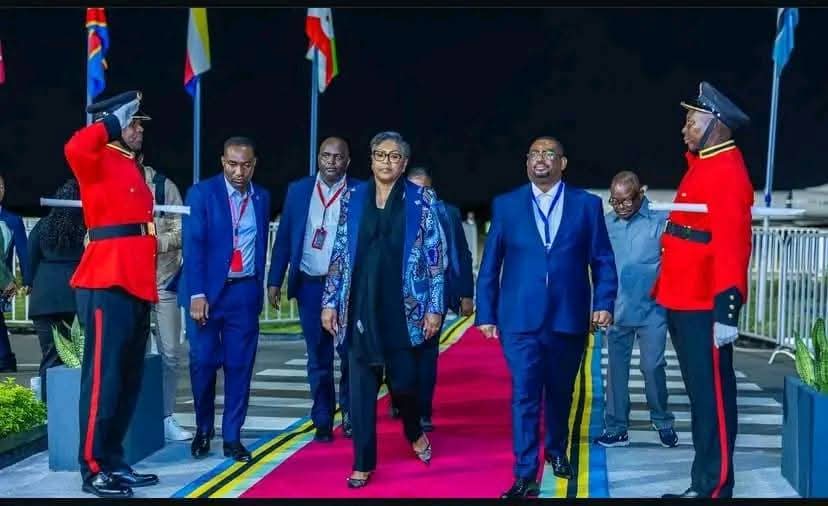
This development comes at a time when tensions between Kinshasa and Kigali are at an all-time high, with accusations and counter-accusations fueling a diplomatic standoff. The summit, attended by leaders such as South African President Cyril Ramaphosa, was expected to be a crucial platform for dialogue and regional cooperation. However, Tshisekedi’s decision to skip the meeting signals a deeper rift within the regional bloc, raising questions about the effectiveness of diplomatic efforts to resolve the crisis.
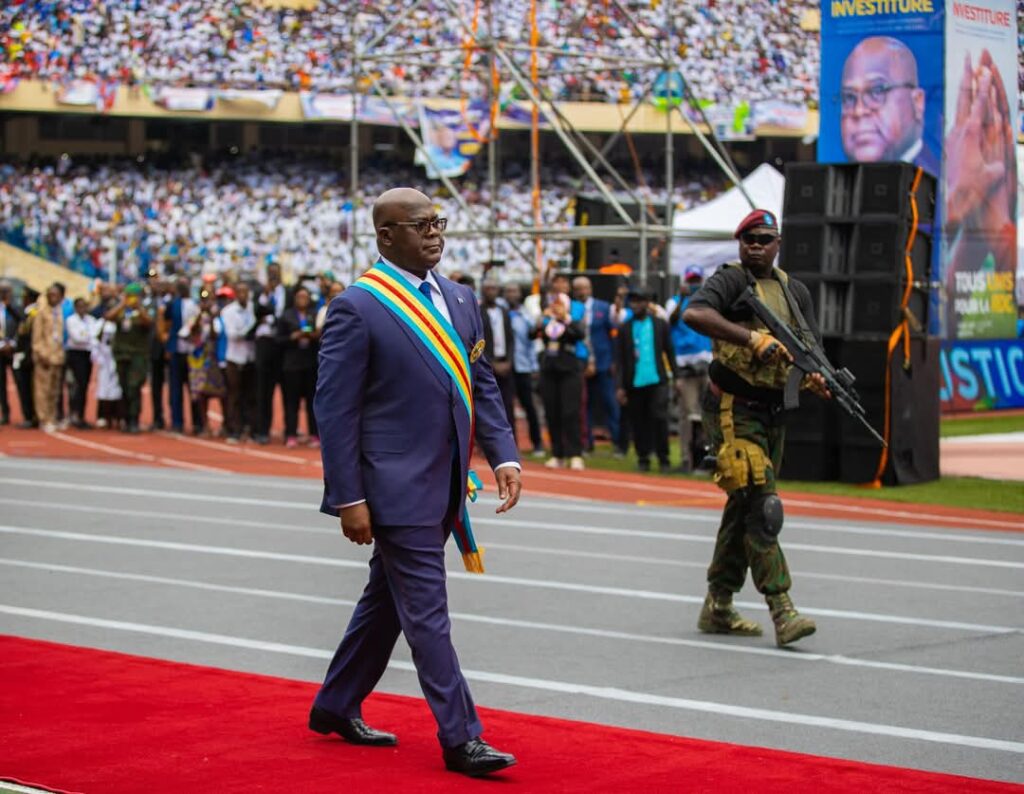
A Calculated Move or a Security Concern?
Sources close to the Congolese presidency suggest that Tshisekedi’s absence was not merely a scheduling issue but a carefully calculated political move. His government’s decision to send Suminwa, a seasoned administrator known for her crisis management skills, underscores Kinshasa’s intent to maintain a firm stance while avoiding direct confrontation with Kigali.
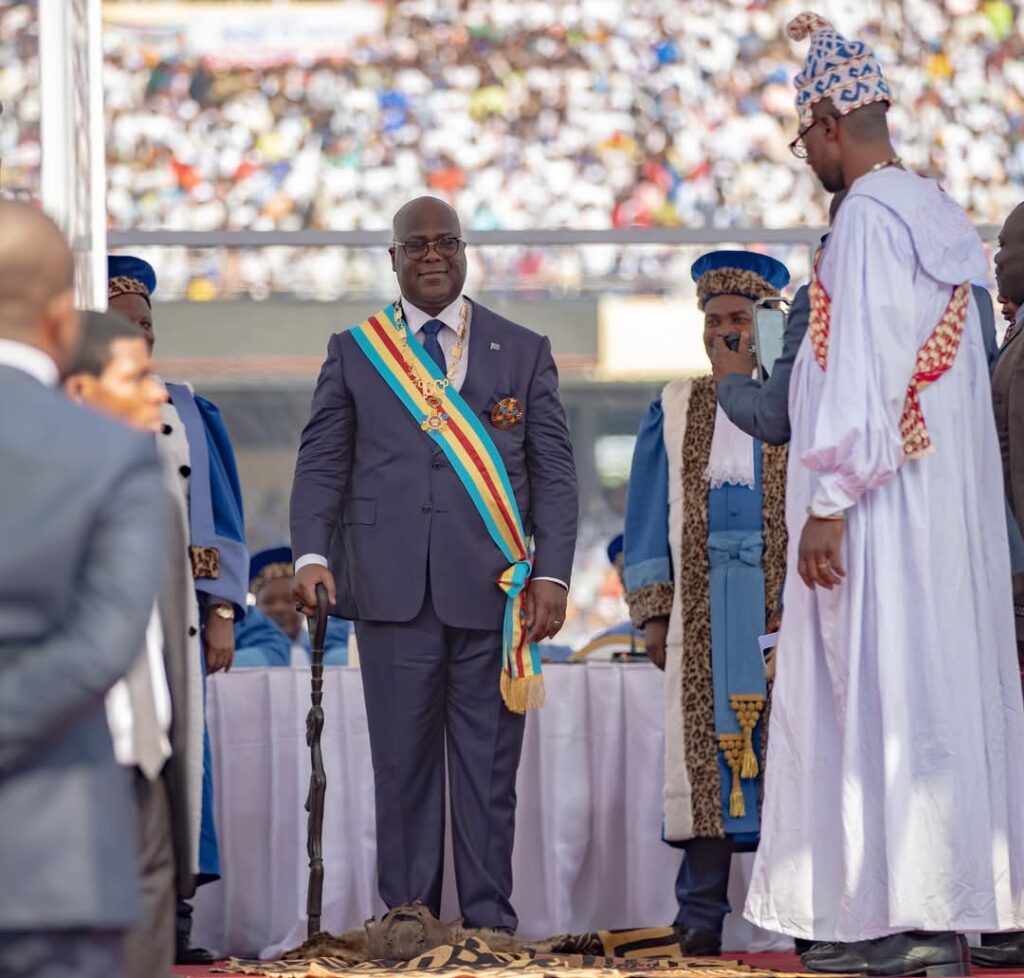
Back home, many Congolese citizens view the decision as a necessary precaution. Concerns over the president’s safety have been mounting, especially in light of heightened tensions with Rwanda. Some critics argue that Tshisekedi’s non-attendance weakens the DRC’s position in regional negotiations, while his supporters believe that avoiding East Africa at this time was a wise move.
“We Will Probably Meet in Heaven” – The Ominous Echo of Past Statements
Observers have linked Tshisekedi’s decision to his past remarks, particularly his cryptic statement: “We will probably meet in heaven.” The phrase, now widely circulated in political discourse, is being interpreted as an acknowledgment of the high-stakes power struggles and potential risks facing his administration.
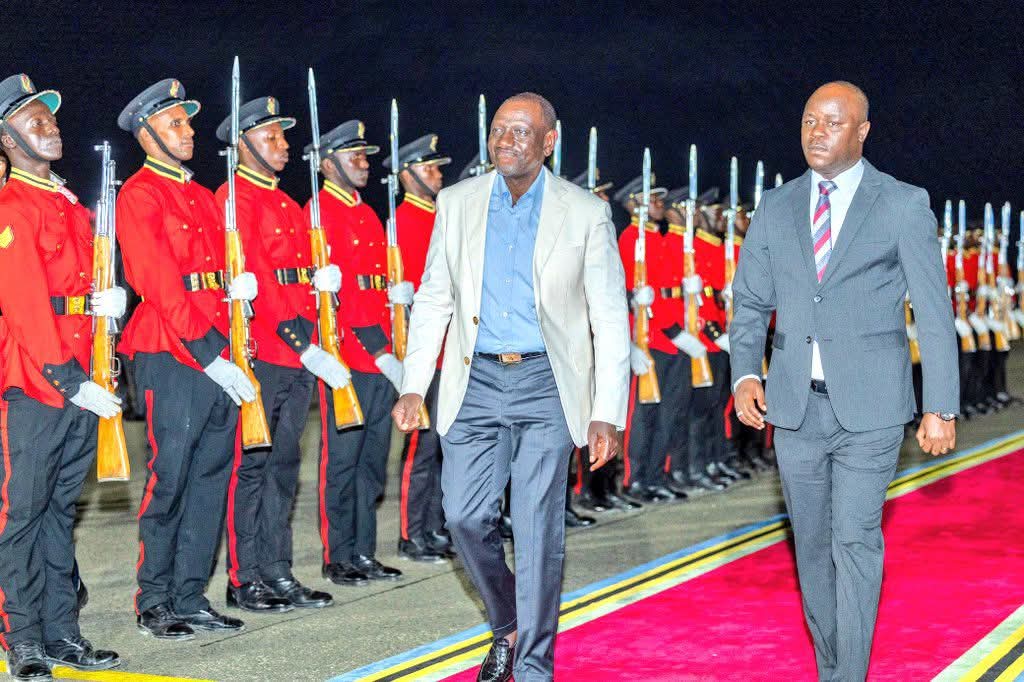
With the summit unfolding without him, all eyes are now on how regional leaders will navigate the worsening crisis in eastern DRC. Will Suminwa’s presence be enough to secure the support Kinshasa needs? Or does Tshisekedi’s absence reinforce the notion that the DRC is slowly retreating from regional diplomacy?
As the Dar es Salaam summit progresses, one thing is clear: the road to peace in the Great Lakes region remains as treacherous as ever.
