


For years, Augustus Kyalo Muli was largely unknown outside business circles, community development networks and the Kenyan diaspora in Dubai.
Today, however, the former teacher, businessman and community mobilizer is increasingly finding himself at the centre of political conversations in Ukambani and beyond.
To some, he is a political disruptor who dared challenge established power structures. To others, he is a businessman attempting to translate entrepreneurial success into political influence. His supporters, however, tell a different story — one that begins far from the corridors of power.
It begins at Starehe Boys’ Centre.
Born and raised in Kitui County, Muli’s educational journey mirrors that of many bright Kenyan students from humble backgrounds who relied on scholarships and opportunity to access quality education.
His admission to Starehe Boys’ Centre exposed him to a culture built around discipline, service and leadership — values that supporters say continue to define his public life.
After completing his secondary education, Muli joined Kenyatta University, where he pursued a Bachelor of Education (Arts) degree specializing in Music. While many graduates sought formal employment, Muli combined teaching with entrepreneurship, working at Coast Academy before establishing a music school aimed at nurturing young talent.
His ambitions would later take him beyond Kenya’s borders.
Muli relocated to Dubai, where he balanced teaching with further studies, eventually earning a Master of Business Administration (MBA). While in the United Arab Emirates, he ventured into business, establishing enterprises in events management, logistics and consultancy.
Supporters credit him with helping connect Kenyan agricultural products to international markets through the export of fruits, vegetables and meat products. It was during this period that he built much of the business reputation that would later form the foundation of his political journey.
Despite his success abroad, Muli maintained strong links with his home county.
Through his community initiative, Kyalo Kya Maendeeo, he supported women groups involved in weaving traditional Kamba baskets, helping create market opportunities while preserving cultural heritage. Long before he became known in political circles, he was helping take Kitui products to international markets.
His contribution to community empowerment later earned him recognition, including an honorary doctorate from Breakthrough International University.
The Political Battle That Changed Everything
Although Muli had spent years in business and community development, many Kenyans first heard his name during the controversy surrounding the selection of members of the Independent Electoral and Boundaries Commission (IEBC).
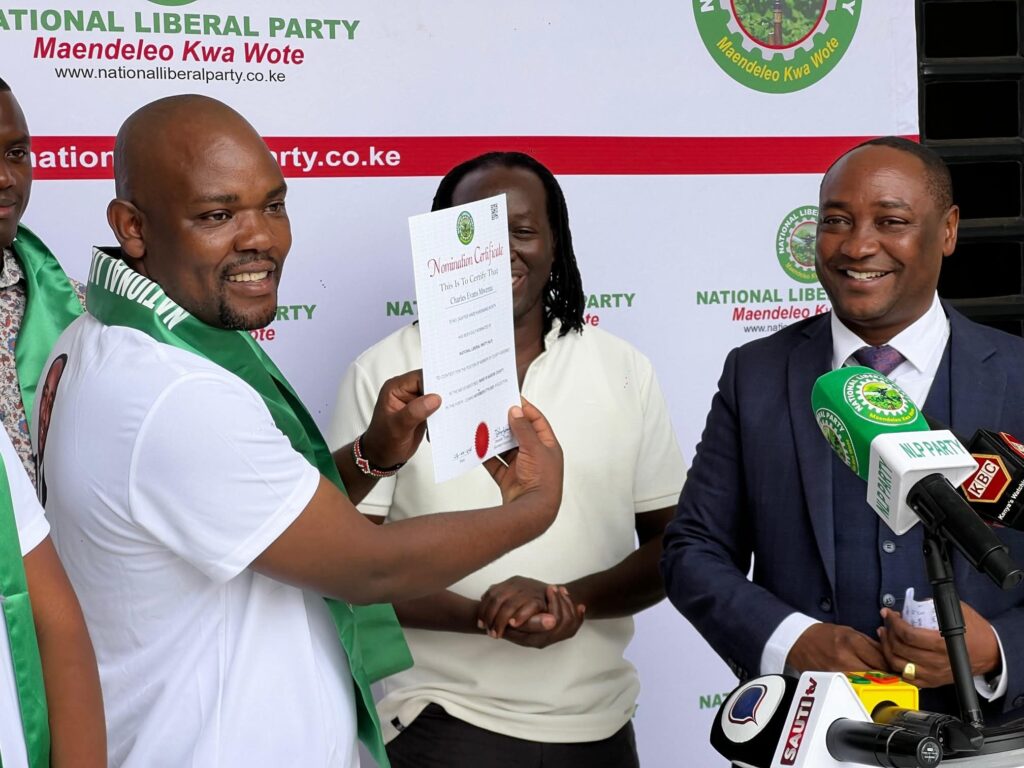
At the time, he had recently assumed leadership of the National Liberal Party (NLP), a relatively small political outfit with no MPs, MCAs or significant political machinery.
Yet in a contest dominated by established political formations, Muli secured the backing of a majority of political parties, defeating a candidate supported by Wiper and its allies.
The outcome stunned many political observers.
Here was a first-time party leader with no elected leaders behind him defeating the preferred candidate of one of the country’s most established political movements.

Supporters point to the result as evidence that Muli’s influence extended beyond traditional political structures. The dispute that followed contributed to prolonged disagreements within opposition ranks over the composition of the IEBC selection panel, thrusting him into the national spotlight.
While critics questioned his rise, supporters argue that his decision not to escalate the standoff demonstrated political restraint at a time when the country needed consensus.
For many in Kitui, it was the moment they first took notice.
Accusations and Counterclaims
As his profile grew, so did criticism.
Some opposition figures accused him of being aligned with government interests, a claim that frequently surfaces in Kenya’s highly polarized political environment.
Muli’s allies dismiss the allegations, arguing that his business success and financial independence were established long before he entered active politics. They point to his years in Dubai, his business ventures and his community initiatives as evidence that his influence was built outside traditional political patronage networks.
The accusations, however, continue to shape debates around his growing influence within opposition circles.
The Karua Meeting and a New Political Conversation
On June 3, 2026, Muli led officials from the National Liberal Party to meet Martha Karua at the People’s Liberation Party headquarters.
The discussions centered on what he described as a citizen-centered political engagement process aimed at gathering views directly from Kenyans before major political decisions are made.

The initiative, known as the Citizens Engagement Alliance, seeks to create structured public forums where citizens can articulate their priorities ahead of the 2027 General Election.
According to Muli, political leaders should first listen to wananchi before seeking their support.
The meeting signaled his growing role in ongoing conversations about opposition unity and the future direction of Kenya’s political landscape.
Why Kitui Is Central to His Strategy
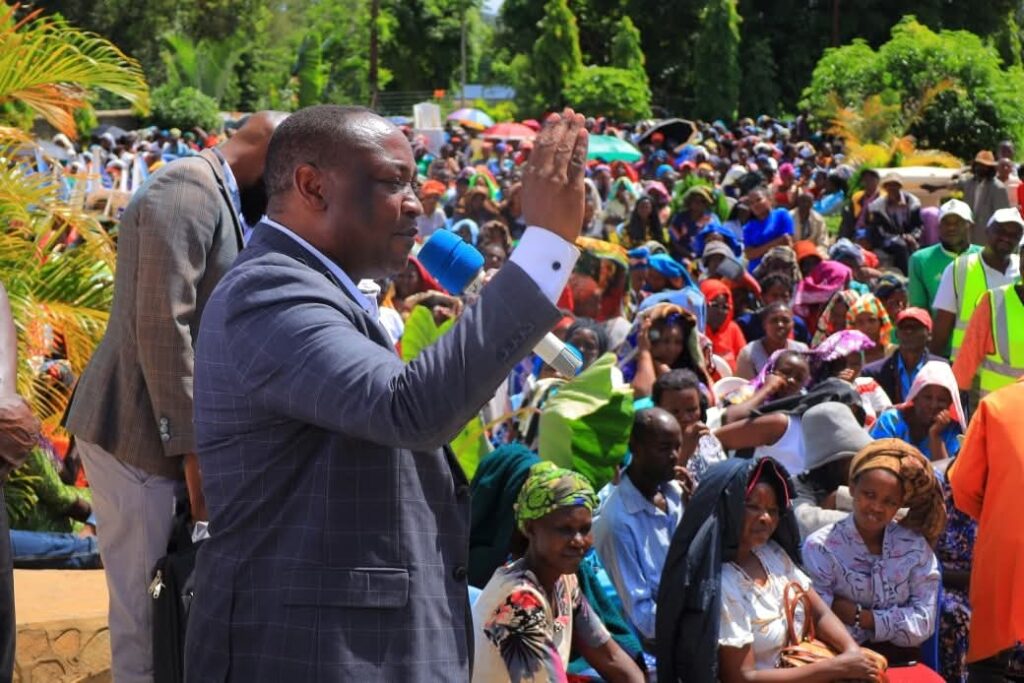
Muli’s decision to launch his nationwide engagement tour from Kitui County is being interpreted by supporters as a symbolic return to his roots.
As National Patron of the Anzauni Clan, he has increasingly positioned himself as a voice advocating for grassroots participation and community-driven leadership.
Rather than focusing on political rallies and declarations, his strategy emphasizes public forums where citizens identify the issues they want leaders to address.
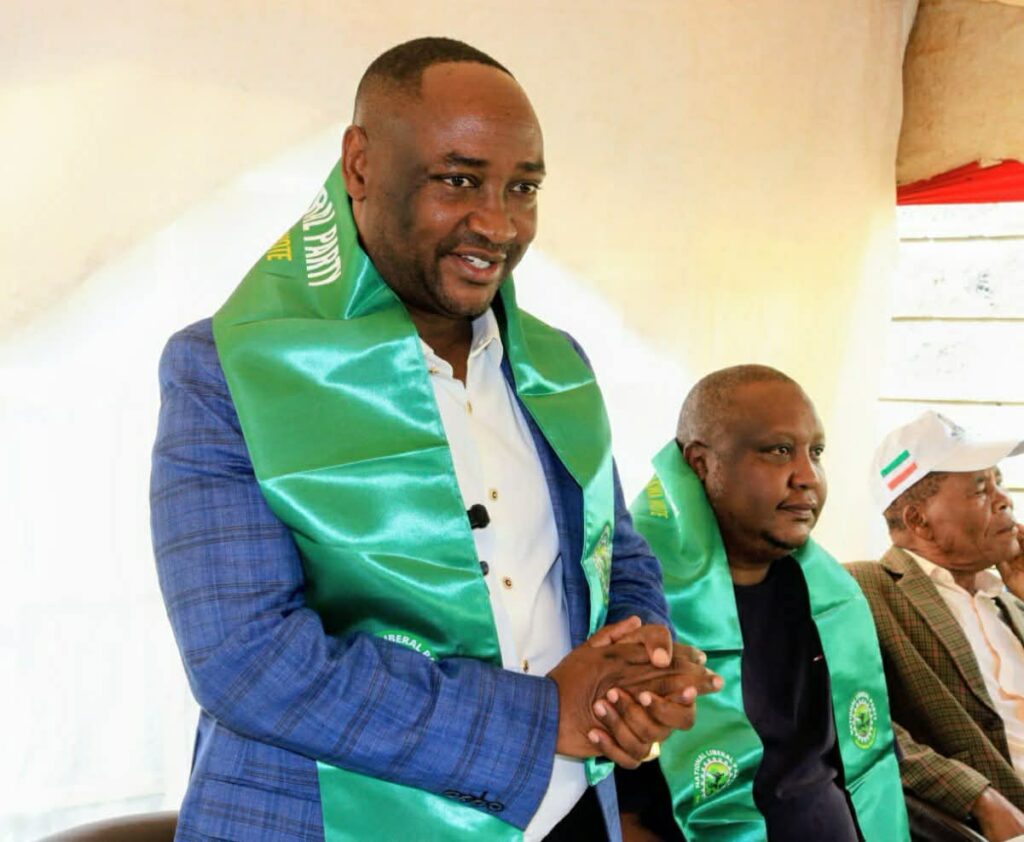
Supporters argue that this approach reflects lessons drawn from his experiences in education, business and community development.
Where traditional politics often revolves around personalities, Muli is attempting to build a movement around conversations.
Whether that strategy succeeds remains to be seen.
A Different Kind of Political Player?
Whether Augustus Kyalo Muli eventually seeks elective office remains unclear.
What is evident, however, is that he has evolved from a relatively unknown businessman into a significant political figure whose influence appears to extend beyond the numerical strength of his party.
His supporters describe him as a listener rather than a commander, a teacher rather than a career politician, and a bridge between grassroots concerns and national leadership.
Critics remain skeptical and question whether his growing profile can translate into electoral success.
Yet as Kenya’s political landscape begins to shift ahead of the 2027 elections, one reality is becoming increasingly difficult to ignore.
The former music teacher from Kitui has forced his way into the national conversation.
And in a political arena often dominated by those who speak the loudest, Augustus Kyalo Muli is betting that listening to citizens may ultimately prove more powerful.
Whether he becomes a kingmaker, a candidate or simply a catalyst for change, his rise is already reshaping political conversations in Ukambani.
And that is why many are now watching closely.
