


Kenya’s legislative integrity is under the spotlight following explosive revelations by Makueni Senator Dan Maanzo on Citizen TV’s Power Breakfast Show. Speaking to journalist Sam Gituku, Maanzo claimed that lawmakers are routinely bribed to pass laws, some of which have been struck down by the High Court as unconstitutional.
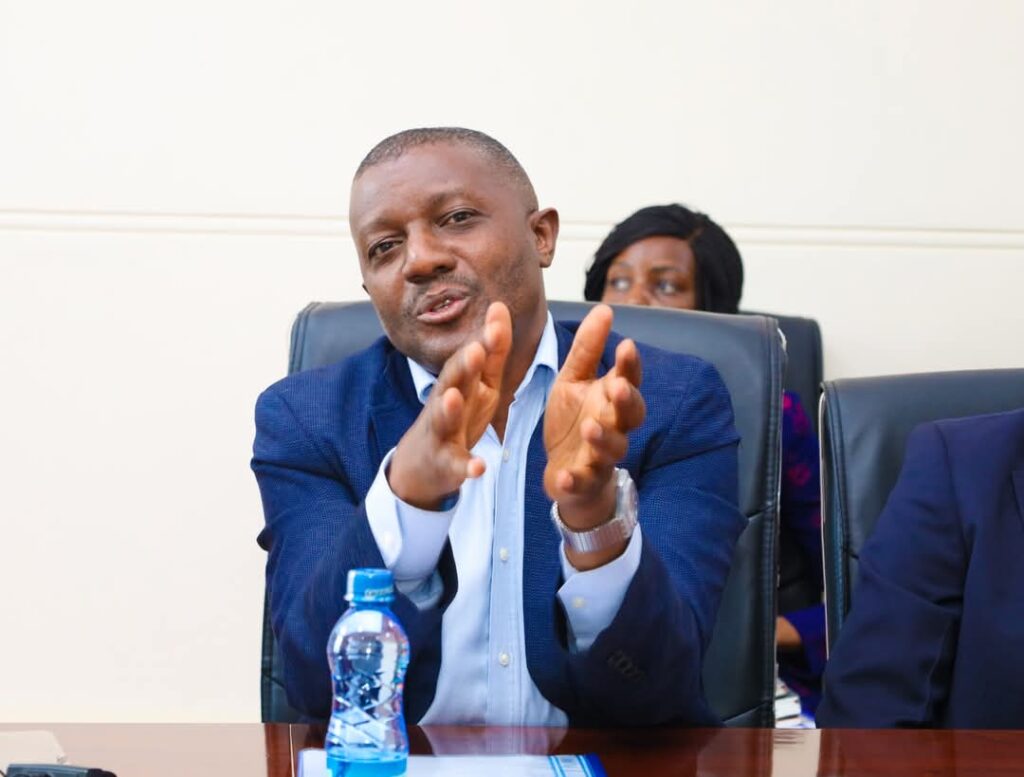
“During the Gachagua impeachment, I was offered 4 million shillings by agents to vote yes. And I was told if I take the bribe and vote no, I would not make it home. Some of these agents are members of Parliament,” Maanzo revealed, sending shockwaves across the nation.
His statement fuels growing concerns that Parliament has become a marketplace where votes are bought and threats are issued to ensure compliance. The Gachagua impeachment debate, already a controversial affair, now faces fresh scrutiny over possible manipulation through bribery.
‘Church Offerings from Stolen Money?’
Beyond politics, the discussion took a turn towards the relationship between corruption and religious donations. Ugenya MP David Ochieng made it clear that churches should not be used to launder stolen public funds.
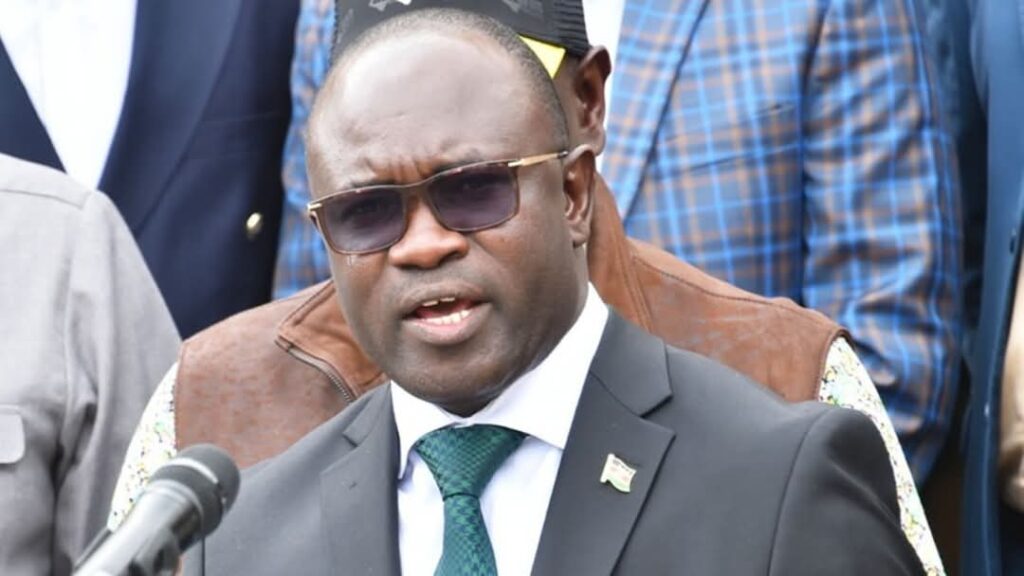
“We don’t want public servants stealing government money and giving in churches,” he said.
Wilson Sossion, former KNUT Secretary-General, echoed similar sentiments but admitted that tracking the origins of donations is nearly impossible. “You can’t steal and give to the church, that is wrong, but we do not have powers to know the source of one’s contributions,” he said.
Dagoretti North MP Beatrice Elachi further raised eyebrows by questioning the controversial acquisition of church land from the military.
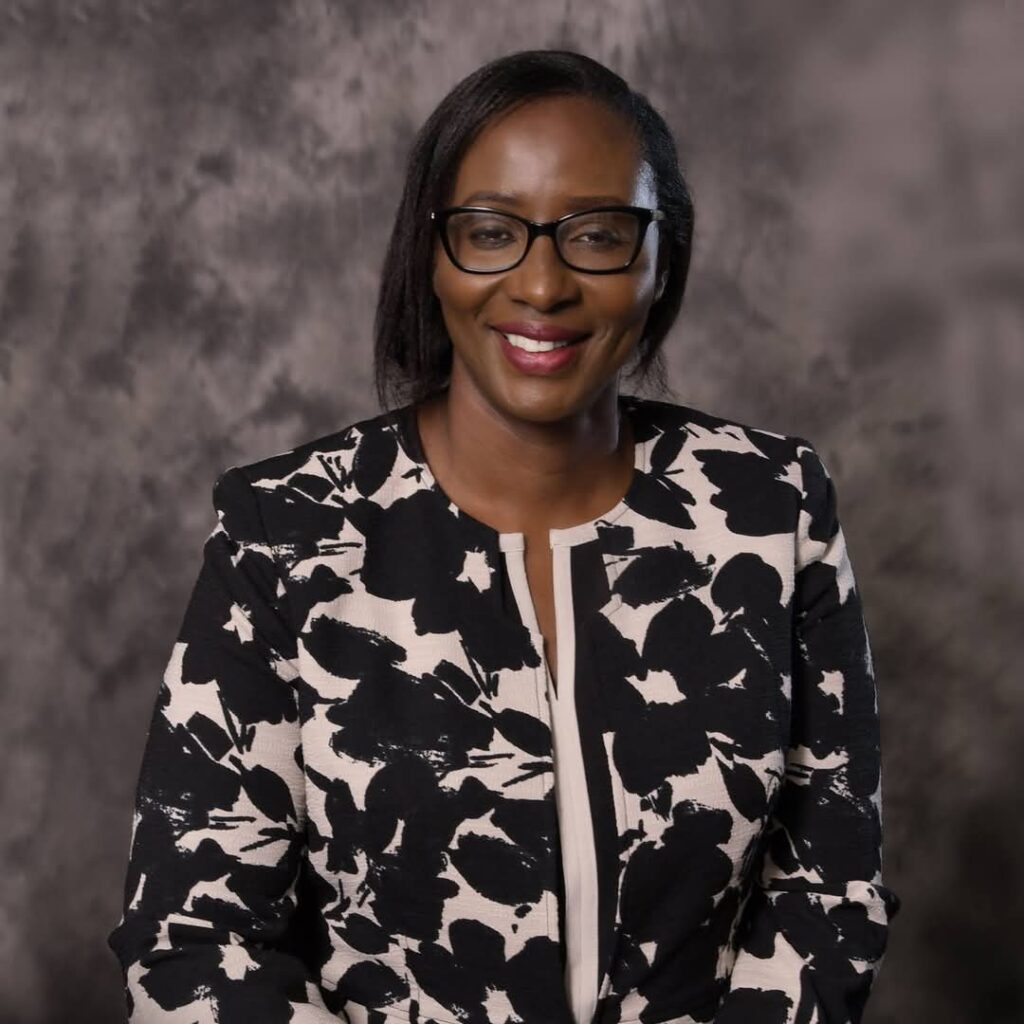
“There is no free land from the military. The church must have paid to get the land title deed. If it were free, then the bishop will have to explain to the congregation where the 420 million went,” she stated.
Is Kenya’s System Rotten to the Core?
Maanzo’s confession paints a grim picture of a political system compromised by bribes and intimidation. If lawmakers themselves admit to being offered bribes and threatened, what does that say about the state of governance? And if stolen money is allegedly being funneled into religious institutions, who will hold both politicians and church leaders accountable?
As Kenyans digest these revelations, the question remains: Can the system be saved, or is it already too late?
