



Two Kitui lawmakers have challenged a proposed coal mining sensitisation meeting in Mui Ward, accusing organisers of sidelining elected leaders and warning against attempts to revive the controversial project without genuine public participation.
Mwingi Central MP Gideon Mulyungi and Kitui Woman Representative Irene Kasalu have raised objections to a proposed meeting on coal mining in Mui Ward, placing fresh scrutiny on a project that has faced years of resistance over land rights, community consent and environmental concerns.
In separate letters dated October 14 and 15, 2026, the two legislators questioned the process surrounding the meeting reportedly scheduled for October 14 and 15 by the Energy and Petroleum Regulatory Authority (EPRA).
Mulyungi told the Kitui County Commissioner that he had not been invited to the meeting despite considering himself a key stakeholder in the matter.
He expressed surprise at the circulation of a meeting notice on social media and what he described as rumours of consultations involving remotely selected stakeholders.
The MP maintained that residents of Mui had previously rejected coal mining through a parliamentary petition he presented in 2019/2020, which he said was approved by the National Assembly.
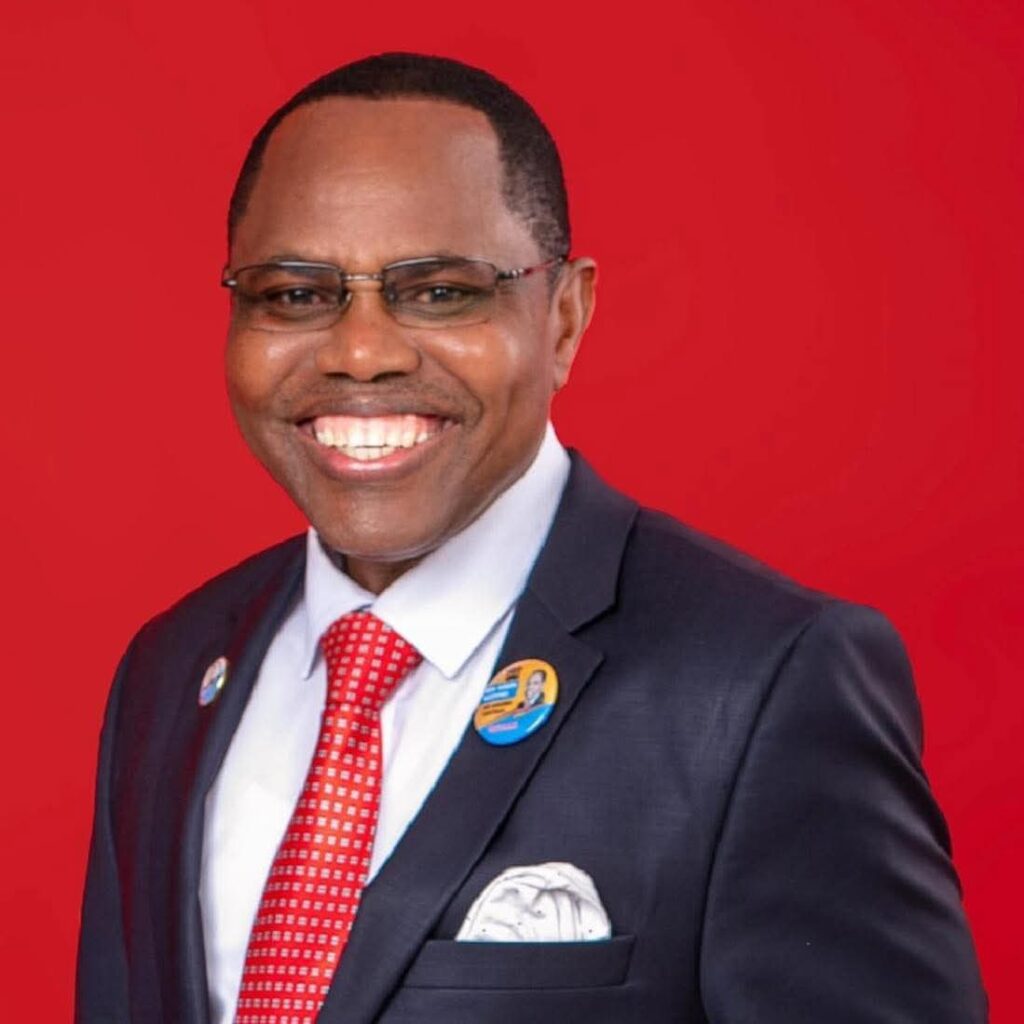
He also recalled communicating the community’s position to President William Ruto during a meeting at State House in 2023.
Mulyungi warned that he would oppose any attempts to revive discussions on coal mining through what he termed backdoor manoeuvres, insisting that the views of affected residents must be respected.
Kasalu Questions Legitimacy of Proposed Meeting
Kasalu, in her letter to the County Commissioner dated October 15, also criticised the proposed meeting, arguing that consultations on a project with significant implications for Mui residents could not legitimately proceed without the involvement of elected leaders and affected communities.
The Woman Representative alleged that the process risked becoming an exercise aimed at securing consent for decisions already made behind closed doors.
She further warned against what she described as the selection of politically convenient participants to endorse a predetermined position.
“The people of Mui have previously rejected coal mining and their position can’t be overturned through clandestine meetings,” Kasalu said in her letter.
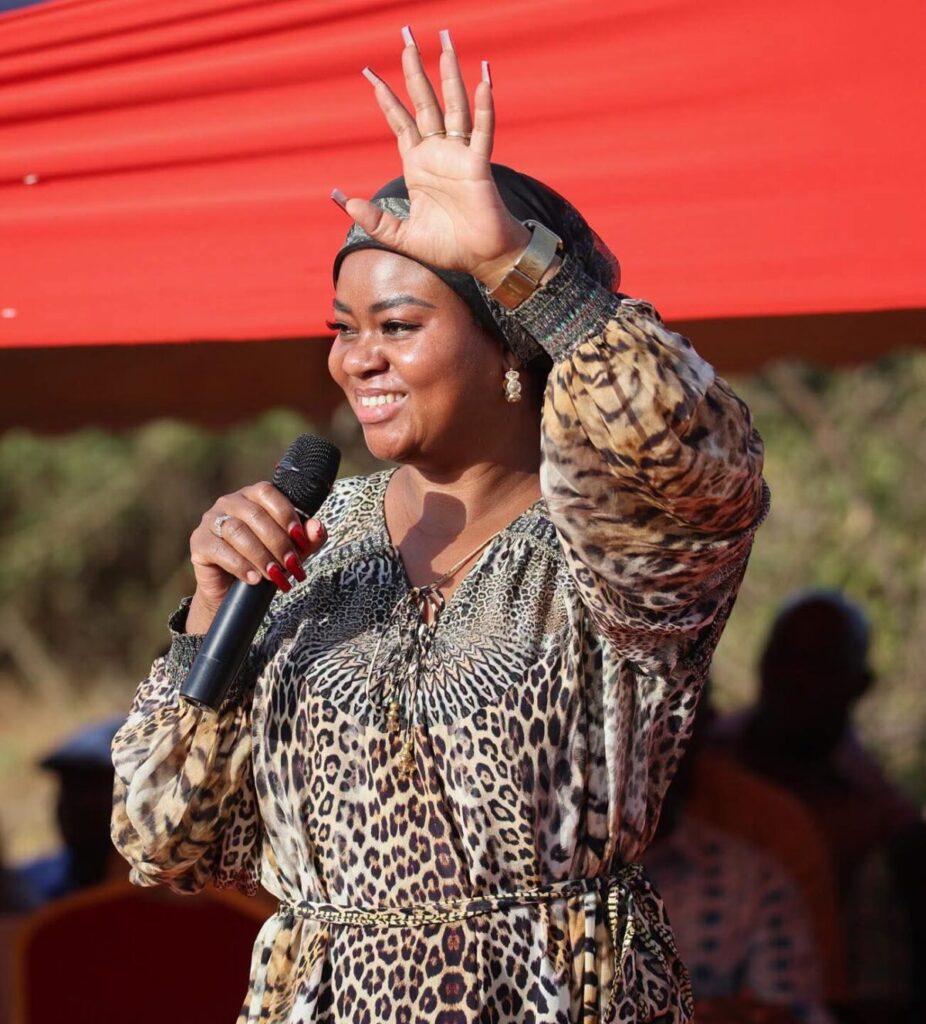
She maintained that any renewed discussions must guarantee meaningful public participation and protect the interests of residents whose land and livelihoods could be affected by mining.
The two lawmakers’ objections raise questions about how the proposed consultations were organised, who was invited to participate and whether the process adequately reflects the concerns of the people living in the Mui coal basin.
However, the allegations of exclusion and predetermined outcomes contained in the letters have not been independently established. EPRA’s position on the concerns raised by the legislators was not included in the documents provided to Channel 15 News.
A Long-Running Dispute Over Mui Coal
The latest dispute revives a debate that has persisted for years over plans to exploit coal deposits in the Mui Basin in Kitui County.
In 2019/2020, Mulyungi presented a parliamentary petition concerning coal mining in Mui, raising concerns about public participation, possible displacement, compensation and the protection of community land.
The petition also highlighted the potential disruption of farming activities and cultural practices, including concerns over ancestral burial sites.
The project has attracted scrutiny over the balance between the potential economic benefits of exploiting coal deposits and the social and environmental consequences for surrounding communities.
Coal extraction can have significant implications for air and water quality, land use and local ecosystems, making environmental assessment and public consultation central to any proposal to proceed.
For residents of Mui, the debate is therefore not simply about the economic potential of coal deposits. It also concerns who makes decisions about community land, what safeguards would be guaranteed and whether affected families would have a meaningful say in determining their future.
Questions Now Facing EPRA and the Government
The objections by Mulyungi and Kasalu place the spotlight on the transparency of the proposed consultations and the government’s approach to engaging communities affected by extractive projects.
Key questions include whether the meeting proceeded as scheduled, which stakeholders attended, what proposals were discussed and whether residents were adequately informed about the implications of any renewed coal mining plans.
EPRA and the relevant government agencies would need to clarify the purpose of the meeting and explain how community concerns and the objections raised by the two lawmakers are being addressed.
The controversy also puts the spotlight on the balance between the government’s interest in exploiting natural resources and its obligation to ensure transparent decision-making and meaningful public participation.
For now, the two legislators have made their position clear: any renewed debate on coal mining in Mui must not bypass the people whose land and livelihoods stand to be affected.
Whether the government will reopen the discussion, and under what conditions, remains a key question in the unfolding Mui coal mining debate.
