


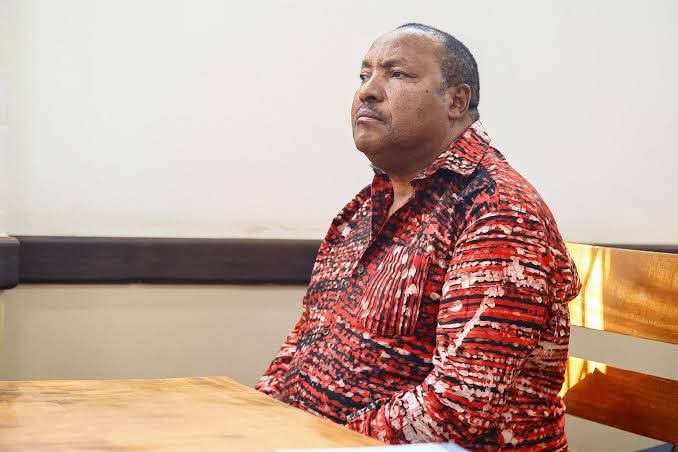
Former Kiambu Governor Ferdinand Ndung’u Waititu, popularly known as Baba Yao, has suffered a major legal setback after the High Court upheld his corruption convictions and 12-year prison sentence, bringing another dramatic chapter to the political career of a man who rose from grassroots leadership to the helm of one of Kenya’s most influential counties.
In a ruling delivered on Wednesday, October 14, 2026, Milimani Anti-Corruption High Court Judge Rose Ougo dismissed appeals against convictions and sentences arising from a KSh588.7 million road construction tender awarded during Waititu’s tenure as governor.
The court also overturned the acquittals of Waititu, his wife Susan Wangari Ndung’u and two other co-accused on money laundering charges, entering fresh convictions and directing that the matter return to the Anti-Corruption Magistrate’s Court for mitigation and sentencing.
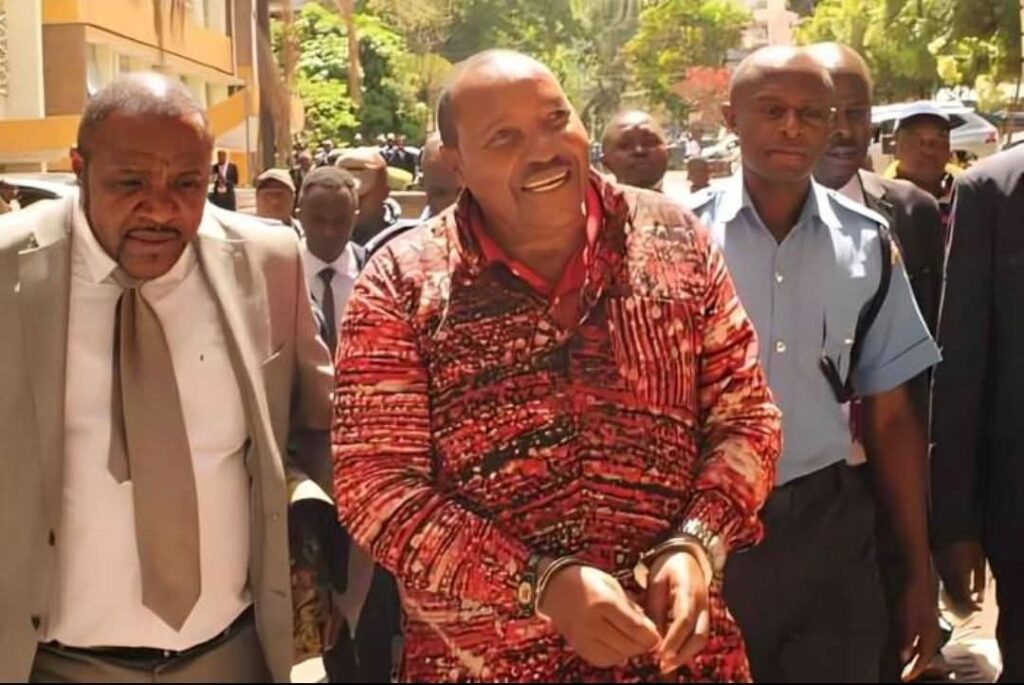
The ruling marked a significant reversal for the former governor, who had remained out of prison while pursuing his appeal.
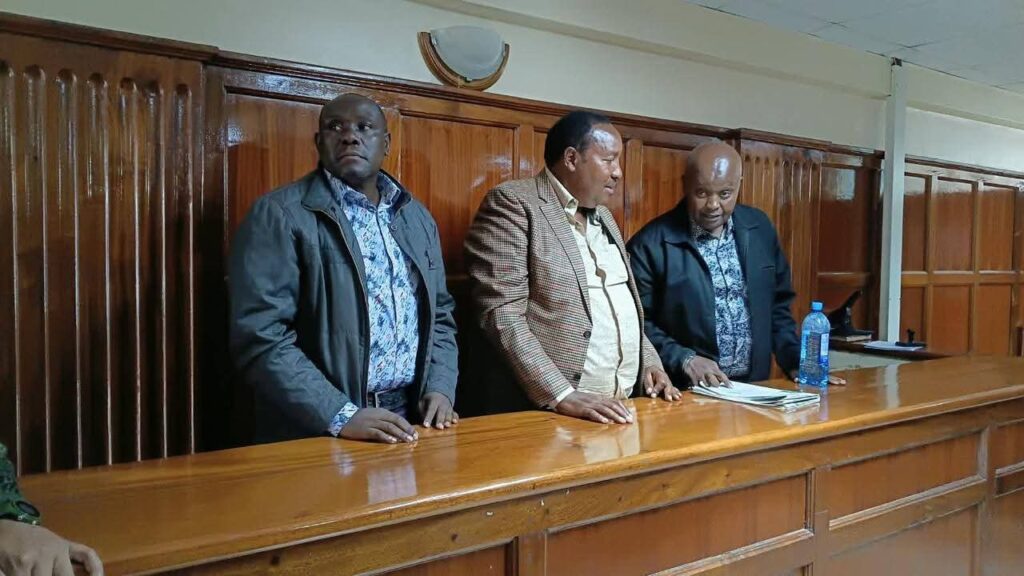
The court revoked the appellants’ bond arrangements and ordered their detention pending further proceedings. Susan Wangari was directed to Lang’ata Women’s Prison, while Waititu, former Kiambu County roads chief officer Luka Mwangi Wahinya and businessman Charles Chege Mbuthia were ordered to Nairobi Remand Prison, according to the court proceedings reported.
The four are scheduled to appear before the Anti-Corruption Magistrate’s Court on October 19, 2026, for mitigation and sentencing on the money laundering charges. The court also granted them 14 days within which to appeal the decision.
The ruling has brought renewed attention to the rise and fall of a politician whose journey through Nairobi and Kiambu politics was marked by electoral victories, impeachment and a criminal prosecution that has now resulted in a prison sentence upheld on appeal.
𝐅𝐫𝐨𝐦 𝐂𝐨𝐮𝐧𝐜𝐢𝐥𝐥𝐨𝐫 𝐭𝐨 𝐊𝐢𝐚𝐦𝐛𝐮 𝐆𝐨𝐯𝐞𝐫𝐧𝐨𝐫
Waititu’s political journey began in 2002 when he was elected councillor for Njiru Ward in Nairobi. He later rose to become Nairobi’s deputy mayor before serving as an assistant minister in the Ministry of Water and Irrigation.
His political fortunes changed significantly in 2008 when he won the Embakasi parliamentary seat in a by-election following the killing of area MP Mugabe Were.
In 2013, Waititu contested the Nairobi gubernatorial seat but lost to Evans Kidero.
Two years later, he returned to Parliament through another by-election, this time in Kabete Constituency, following the killing of MP George Muchai in 2015.
The deaths of Were and Muchai were separate violent incidents that shook the country. Waititu’s subsequent electoral victories in the two constituencies became defining milestones in his political rise.
His biggest breakthrough came in 2017 when he defeated incumbent William Kabogo to become Kiambu County’s second governor.
The victory placed him at the centre of county government, with responsibility for overseeing public expenditure, development projects and procurement decisions in a county with considerable economic and political influence.
For a politician who had built his profile through grassroots mobilisation and an assertive public persona, the governorship represented the culmination of years of political ambition.
However, his tenure would ultimately be overshadowed by impeachment and criminal proceedings over the management of public funds.
𝐓𝐡𝐞 𝐊𝐒𝐡𝟓𝟖𝟖.𝟕 𝐌𝐢𝐥𝐥𝐢𝐨𝐧 𝐑𝐨𝐚𝐝 𝐓𝐞𝐧𝐝𝐞𝐫 𝐂𝐚𝐬𝐞
The case against Waititu arose from a road construction contract worth approximately KSh588.7 million awarded by the Kiambu County Government to Testimony Enterprises Limited during the 2017/2018 financial year.
The contract involved upgrading gravel roads to bitumen standards in Thika, Limuru, Gatundu North, Juja and Ruiru.
Investigations by the Ethics and Anti-Corruption Commission (EACC) led to charges against Waititu and several co-accused persons over alleged irregularities in the procurement process and financial transactions connected to the contract.
The prosecution’s case centred on offences including conflict of interest, dealing with suspect property, abuse of office, fraudulent procurement practices and fraudulent acquisition of public property.
In February 2025, the Anti-Corruption Court convicted Waititu and other accused persons of various offences arising from the tender. Waititu was sentenced to 12 years in prison or an alternative fine of approximately KSh53.5 million.
His wife, Susan Wangari Ndung’u, former Kiambu County Chief Officer for Roads, Transport, Public Works and Utilities Luka Mwangi Wahinya, and Testimony Enterprises Limited director Charles Chege Mbuthia were among those implicated in the proceedings.
The accused challenged their convictions and sentences, seeking to overturn the trial court’s findings.
However, Justice Ougo dismissed the appeals, upholding the convictions on the challenged corruption-related offences and leaving the existing penalties in force.
The court also upheld the order barring the convicted persons from holding public office for 10 years.
𝐍𝐞𝐰 𝐌𝐨𝐧𝐞𝐲 𝐋𝐚𝐮𝐧𝐝𝐞𝐫𝐢𝐧𝐠 𝐂𝐨𝐧𝐯𝐢𝐜𝐭𝐢𝐨𝐧𝐬 𝐂𝐡𝐚𝐧𝐠𝐞 𝐭𝐡𝐞 𝐂𝐚𝐬𝐞
One of the most significant aspects of the High Court ruling was its decision to overturn the lower court’s acquittal on money laundering charges.
Justice Ougo allowed the State’s cross-appeal, set aside the acquittals and entered convictions on the additional counts against the affected accused persons.
The prosecution had challenged the earlier decision to acquit them, arguing that the evidence relating to the handling of money linked to the road tender supported the charges.
The High Court’s decision means the four accused must now face mitigation and sentencing proceedings on the money laundering offences.
The court directed that the additional sentences run concurrently with the existing sentences, meaning the new convictions do not automatically add further years to Waititu’s 12-year prison term.
The matter was referred back to the Anti-Corruption Magistrate’s Court because the High Court was not exercising original sentencing jurisdiction over those counts.
The prosecution was led by Senior Deputy Director of Public Prosecutions Vincent Monda and Assistant Director of Public Prosecutions Faith Mwila.
The October 19 proceedings are expected to determine the penalties on the additional counts, subject to the court’s directions and any further legal proceedings.
𝐈𝐦𝐩𝐞𝐚𝐜𝐡𝐦𝐞𝐧𝐭 𝐓𝐡𝐚𝐭 𝐄𝐧𝐝𝐞𝐝 𝐇𝐢𝐬 𝐆𝐨𝐯𝐞𝐫𝐧𝐨𝐫𝐬𝐡𝐢𝐩
Waititu’s legal troubles were preceded by his impeachment in January 2020.
The Kiambu County Assembly voted to remove him from office over allegations that included abuse of office and corruption-related misconduct. The Senate subsequently upheld his removal, ending his tenure as governor.
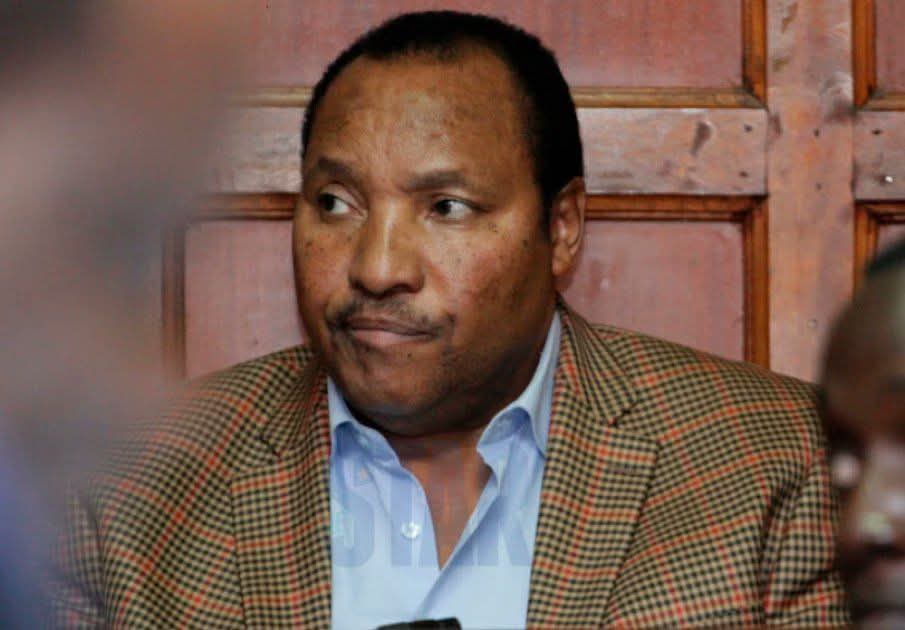
His impeachment marked a turning point in a political career built on grassroots mobilisation, parliamentary contests and county-level leadership.
The criminal proceedings that followed eventually led to the convictions delivered in 2025 and the prison sentence that the High Court has now upheld.
The latest decision demonstrates how legal accountability can continue long after an elected official leaves office.
Waititu’s 14-day window to appeal the High Court ruling provides a further legal avenue, should he choose to pursue it. For now, however, the convictions and existing sentence remain in force.
𝐓𝐡𝐞 𝐁𝐢𝐠𝐠𝐞𝐫 𝐌𝐞𝐬𝐬𝐚𝐠𝐞: 𝐏𝐮𝐛𝐥𝐢𝐜 𝐎𝐟𝐟𝐢𝐜𝐞 𝐈𝐬 𝐚 𝐓𝐫𝐮𝐬𝐭
Beyond Waititu’s personal circumstances, the case raises broader questions about accountability in Kenya’s national and county governments.
County administrations manage billions of shillings intended for roads, hospitals, water projects, education and other essential services. Procurement decisions therefore affect not only government officials and contractors but also the communities that depend on these services.
The principle behind public accountability is straightforward: elected leaders are entrusted with public resources and must exercise their authority within the law.
A portrait of a convicted public official displayed in government offices could serve as a reminder of that responsibility. But meaningful accountability requires more than symbolism. It depends on transparent procurement, effective oversight, independent investigations and timely judicial decisions.
For citizens, the central question is whether public institutions can consistently protect public money and ensure that those found guilty of wrongdoing face the consequences prescribed by law.
𝐓𝐡𝐞 𝐑𝐢𝐬𝐞 𝐚𝐧𝐝 𝐅𝐚𝐥𝐥 𝐨𝐟 𝐁𝐚𝐛𝐚 𝐘𝐚𝐨
From councillor to deputy mayor, MP and governor, Waititu built a political career that made him a recognisable figure in Kenyan public life.
His rise demonstrated his ability to navigate the country’s competitive political landscape and secure electoral victories in different constituencies. His impeachment, corruption conviction and failed appeal now form defining chapters in his public legacy.
The former governor’s story illustrates how dramatically political fortunes can change. The authority that comes with public office is temporary, but accountability for decisions made while in office can continue long after a leader leaves power.
For public officials across Kenya’s 47 counties and the national government, the case is a reminder that public office is a responsibility held in trust for citizens, not a private entitlement.
Channel 15 News — The Full Story First On www.channel15news.co.ke
