



Kenyan motorists face fresh uncertainty after two fuel tankers were reportedly struck by drones in the Strait of Hormuz, threatening delivery schedules as households grapple with soaring pump prices.
Kenya’s fuel supply chain faces a fresh test after two oil tankers carrying petroleum products destined for the country were struck by drones in the Strait of Hormuz, leaving their engines damaged and the vessels unable to move.
The incident raises concerns over possible delivery delays at a time when motorists, transport operators and households are already feeling the pressure of rising fuel costs.
Energy and Petroleum Regulatory Authority (EPRA) Director-General Edward Mwirigi Kinyua disclosed the incident while appearing before the National Assembly’s Special Funds Accounts Committee.

The two vessels were carrying petroleum products destined for Kenya when the attacks occurred. Although their engines were damaged, the fuel aboard remained intact.
The immediate challenge is getting the cargo to its destination.
Transferring the petroleum products to other vessels could take approximately 60 days, potentially disrupting delivery schedules and complicating fuel supply planning.
Fresh headache for motorists
The development comes barely days after Kenya’s latest fuel price review pushed pump prices higher across the country.
In Nairobi, super petrol rose by Sh12.93 per litre to Sh226.96, diesel increased by Sh9.90 to Sh227.76, while kerosene jumped by Sh28.49 to Sh219.87 for the period running from October 15 to November 14, 2026.
The prospect of further disruption to petroleum deliveries raises fresh questions about the cost of keeping vehicles on the road and moving goods across the country.
Transport operators could face additional pressure if fuel costs rise further, with possible knock-on effects on public transport fares, freight charges and the prices of essential commodities.
However, the tanker incident does not automatically mean another pump-price increase is coming. The eventual impact will depend on the availability of alternative shipments, international oil prices, shipping costs and the duration of the disruption.
A critical shipping route under pressure
The Strait of Hormuz is one of the world’s most important maritime corridors for petroleum trade. Disruptions along the route can affect vessel movements, delay cargo deliveries and create uncertainty in international energy markets.
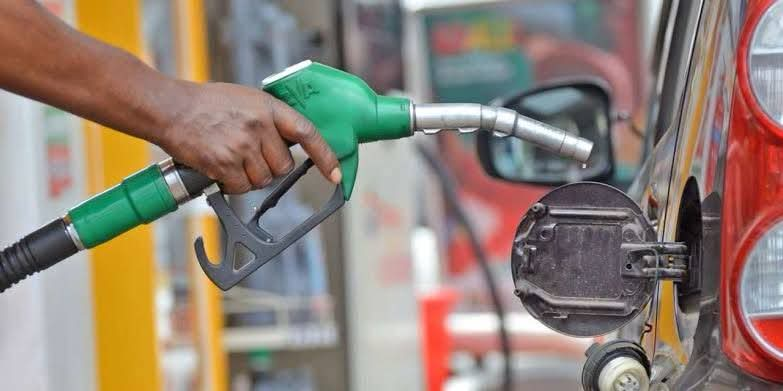
For Kenya, which relies on imported petroleum products, prolonged shipping disruptions could complicate efforts to maintain predictable supplies and costs.
The reported attacks also raise questions about how quickly the stranded cargo can be transferred, whether replacement shipments can arrive on schedule and how effectively existing supply arrangements can cushion the country against external shocks.
Will Kenya escape another fuel-price hit?
The cargo remaining intact offers some reassurance, but the damaged vessels present a logistical problem that could take weeks to resolve.
The key issue is whether the delivery delays can be managed without creating wider supply constraints.
For motorists, the concern is straightforward: fuel prices have already climbed, and any additional pressure on import costs could make the next pricing review particularly important.
For now, the reported tanker attacks represent a potential supply-chain setback rather than proof of an impending nationwide fuel shortage.
The coming weeks will be critical in determining whether the disruption remains a shipping challenge or develops into a wider concern for Kenya’s fuel market and the cost of living.
