


A section of Ukambani-based content creators is currently under intense online scrutiny following their meeting with Mwala MP, Hon. Vincent Kawaya—widely regarded as the most senior UDA figure in the Lower Eastern region and a key political bridge as the party’s regional coordinator.
What may have been intended as a routine engagement has instead triggered a wave of backlash, with their social media platforms flooded by critics accusing them of trading credibility for political proximity.
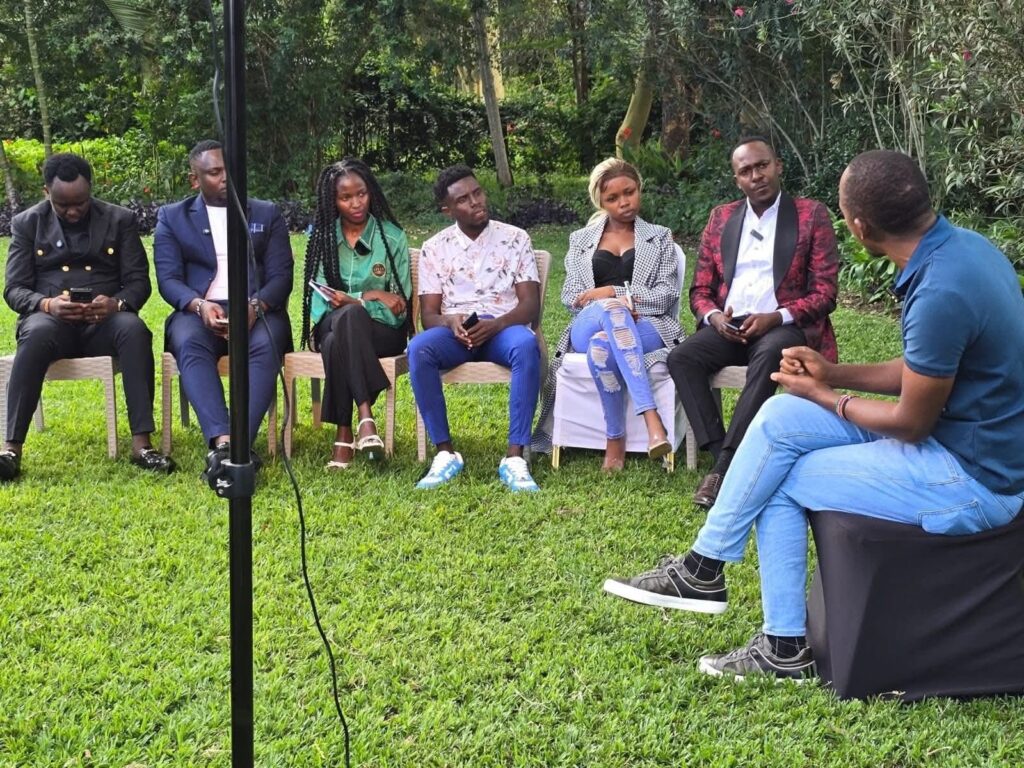
Commenters did not hold back, with many questioning the authenticity of their influence and accusing them of aligning themselves with political figures for relevance rather than impact.
“This is not influence, it’s positioning for handouts,” one user wrote, capturing the tone of a digital onslaught that has since snowballed across platforms.

The criticism has also reopened debate around the role of content creators in politics, particularly in regions where digital voices are increasingly shaping public discourse.
For some observers, the backlash reflects growing public awareness—and impatience—with what they see as staged engagements lacking substance.
Notably, the controversy has revived memories of a previous appearance during Mashujaa Day celebrations at State Lodge in Kitui, where some of the same creators were criticized for failing to rise to the occasion during an interaction with the Head of State—fueling perceptions of a disconnect between online presence and real-world influence.
With Hon. Kawaya’s stature in the region and his strategic role within UDA, the optics of the meeting have only amplified the conversation, turning what might have been a quiet political outreach into a flashpoint on credibility, influence, and accountability.
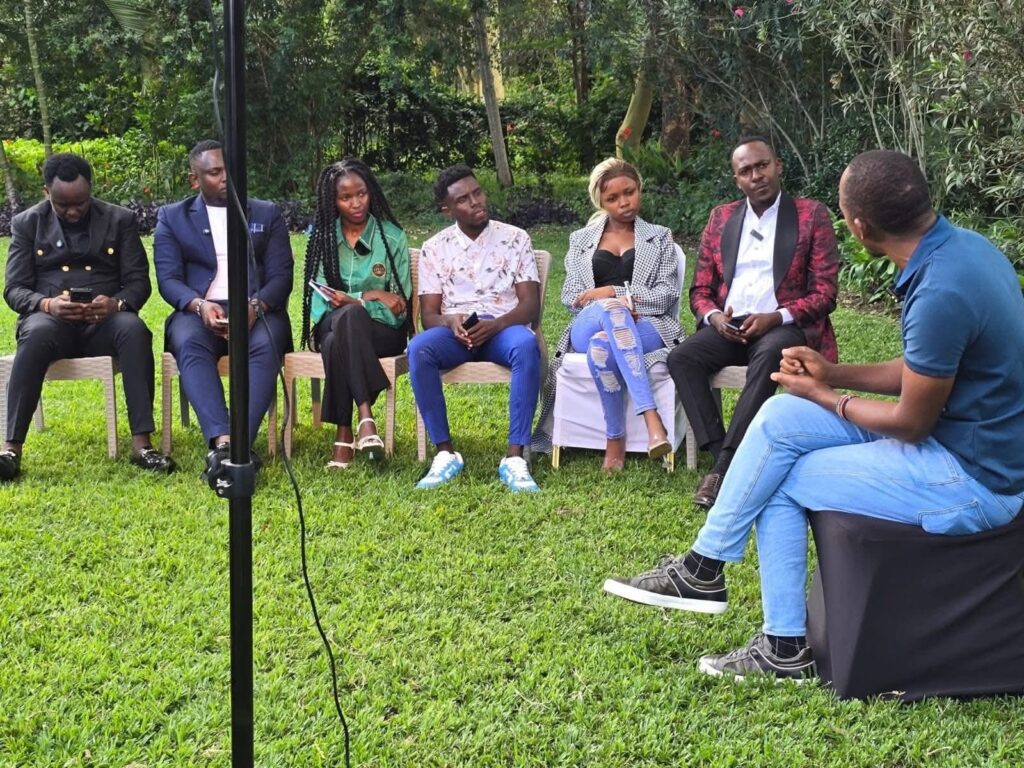
As the backlash continues to unfold, one reality stands out—today’s digital audience is alert, vocal, and increasingly unwilling to separate influence from integrity.As for us, we remain exactly where we belong—detached, watching closely, and documenting every unfolding moment.
