


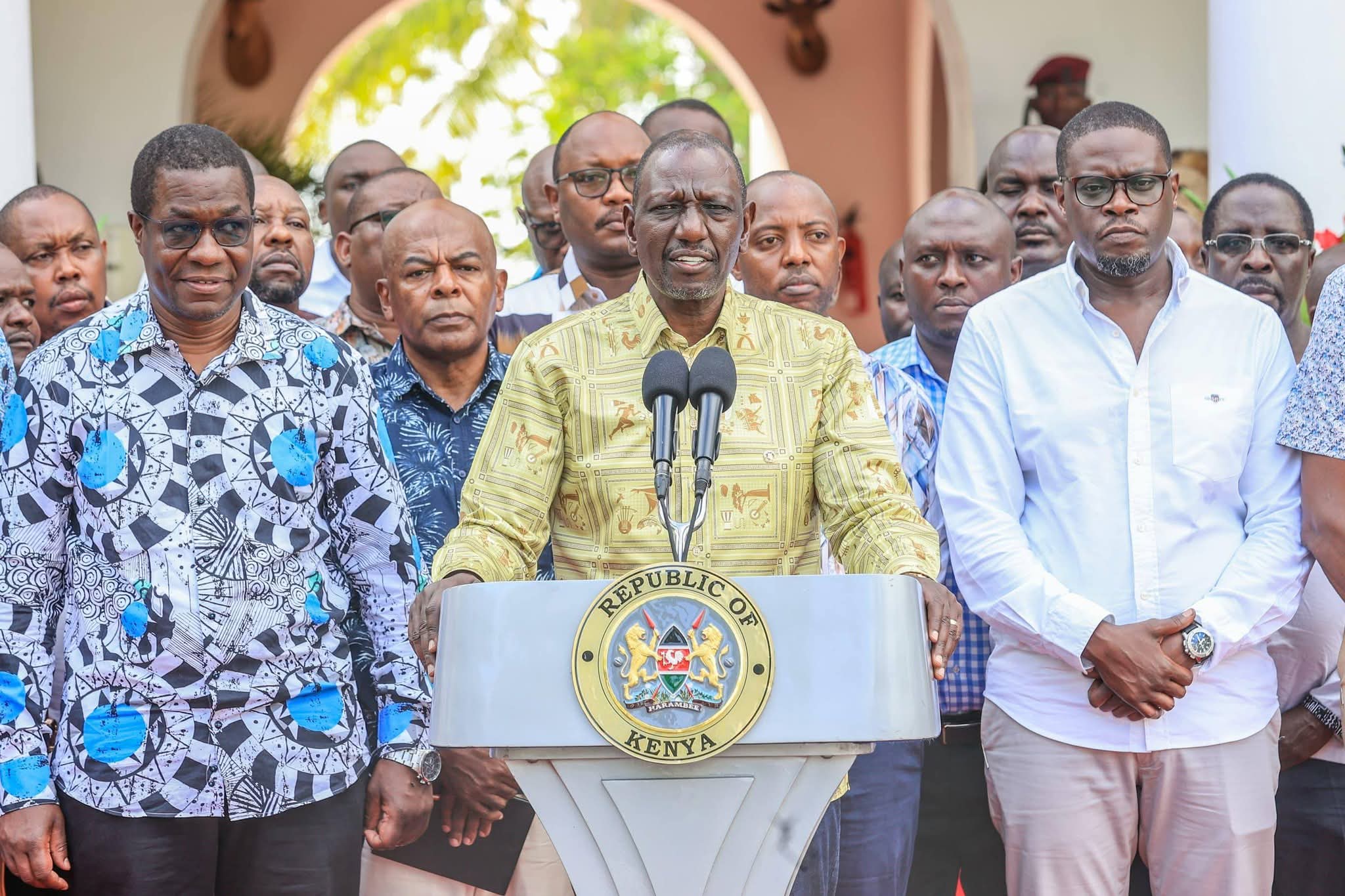
President William Ruto has defended the Government’s handling of the ongoing fuel price crisis, saying Kenya is grappling with the effects of a global energy shock triggered by the escalating conflict in the Middle East.
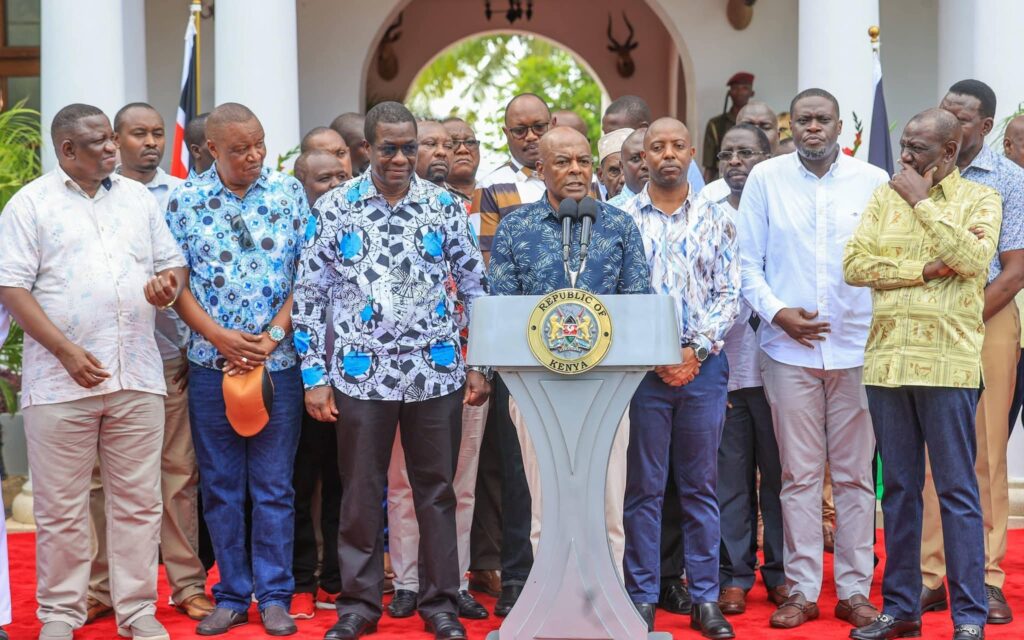
Adressing members of the press shortly after high-level talks with transport stakeholders at State House in Mombasa, President Ruto acknowledged the pain Kenyans have endured due to soaring fuel prices, assuring citizens that the Government has moved decisively to cushion households, businesses, farmers and transport operators from further hardship.
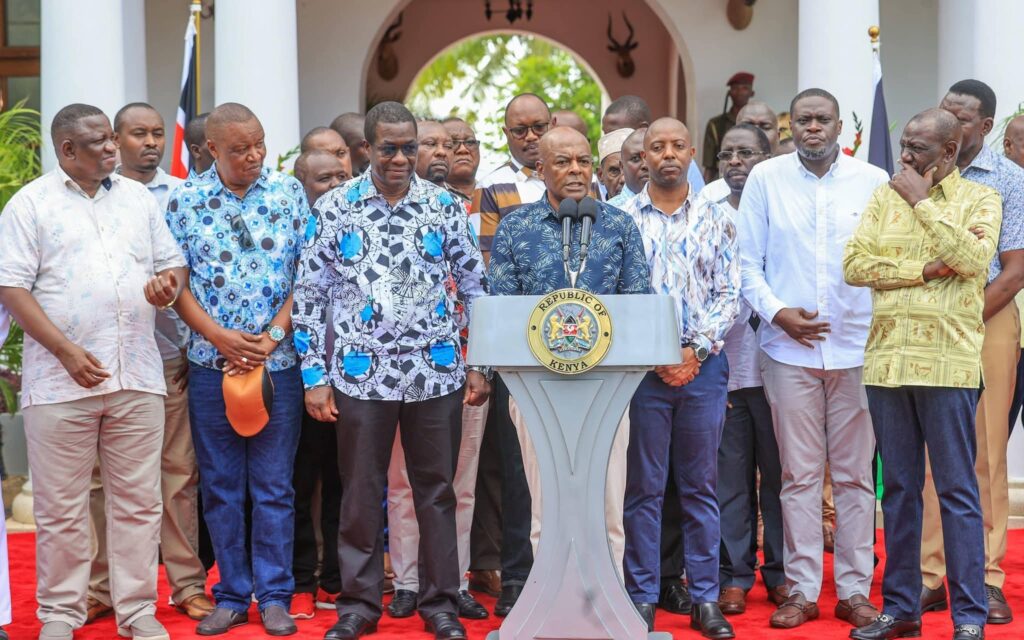
“We are fully aware of the frustration, pain and burden that families, businesses, farmers and transporters have endured due to rising fuel prices over the past few weeks,” President Ruto stated.
The Head of State noted that the fuel crisis is not unique to Kenya, explaining that many countries across the world are battling rising fuel prices, supply shortages and disruptions in global supply chains linked to instability in the Middle East.
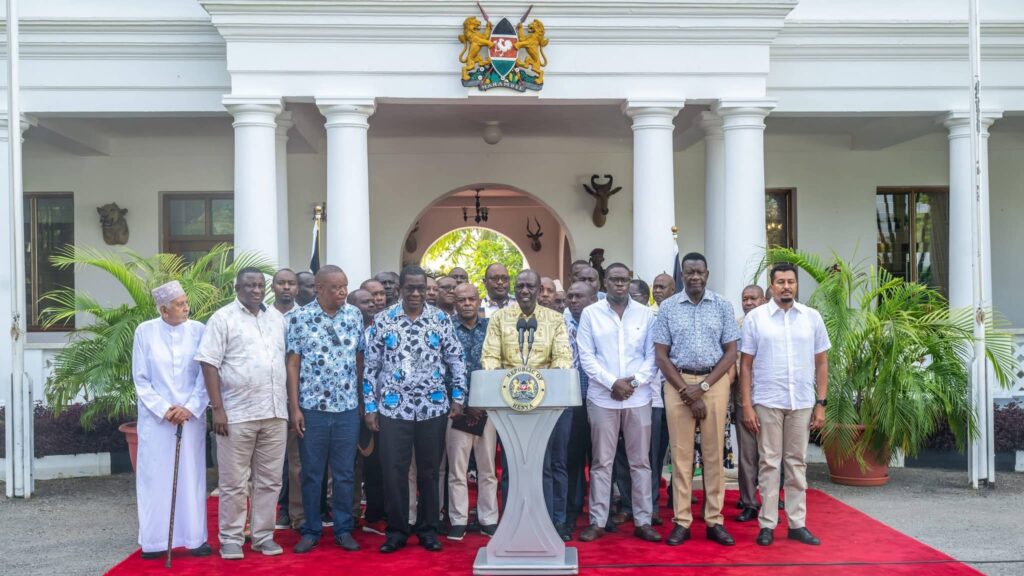
According to the President, the Government has already spent KSh28.19 billion in fuel stabilisation measures during the April-May and May-June pricing cycles. The intervention included direct fuel price support and an 8 per cent VAT relief aimed at shielding Kenyans from higher pump prices.
Ruto revealed that without the Government’s intervention, the cost of Super Petrol would currently stand at KSh230 per litre instead of the current KSh214. Diesel would retail at KSh277 per litre instead of KSh232, while kerosene would cost KSh270 instead of KSh191.
In a move likely to ease pressure on the transport and logistics sector, the President announced a further KSh10 reduction on diesel prices in the upcoming June-July pricing cycle.
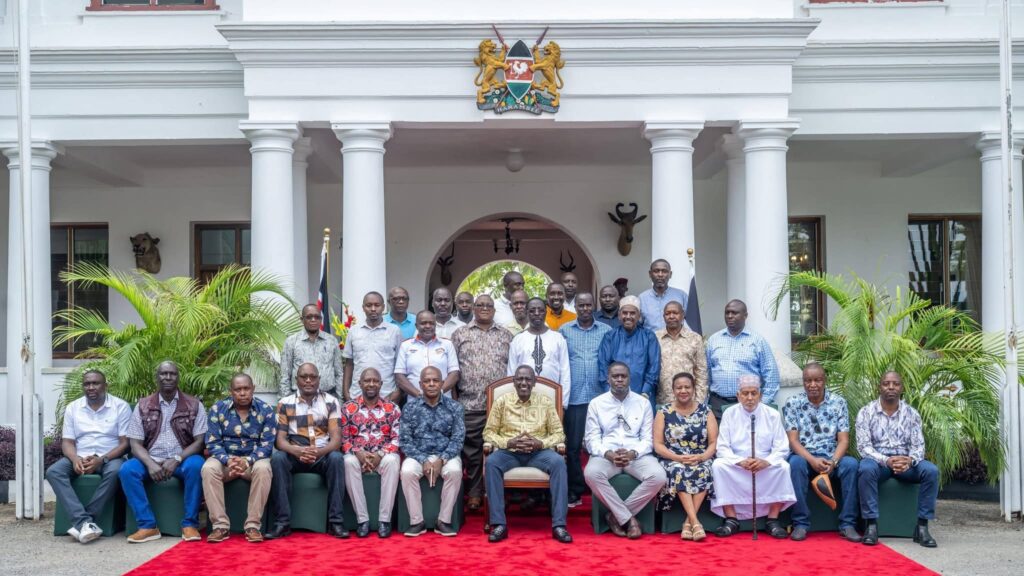
“To further cushion Kenyans, I have directed a KSh10 reduction for diesel in the June-July pricing cycle,” he announced.
The President also cautioned politicians against taking advantage of the crisis for political mileage, urging Kenyans to remain patient as the Government navigates the global economic turbulence.
“Let us not allow irresponsible political opportunists to politicise a crisis that is global in nature. Together, we shall overcome these challenges,” he said.
During the State House meeting attended by transport stakeholders, the Government and sector players reportedly agreed on a series of reforms aimed at addressing concerns affecting the transport industry.
Among the proposals discussed were the possibility of temporary relief on lending terms for transport operators, faster settlement of insurance claims, and the introduction of regulations on minimum fares for digital taxi operators.
The Government also moved to calm fears within the matatu industry after agreeing to allow the continued use of artwork and graffiti on public service vehicles, a culture that has become a major identity marker for Kenya’s matatu sector.
The meeting comes amid growing pressure from matatu operators and transport stakeholders who had threatened industrial action over the sharp increase in fuel prices, warning that the rising operational costs were becoming unsustainable.
