


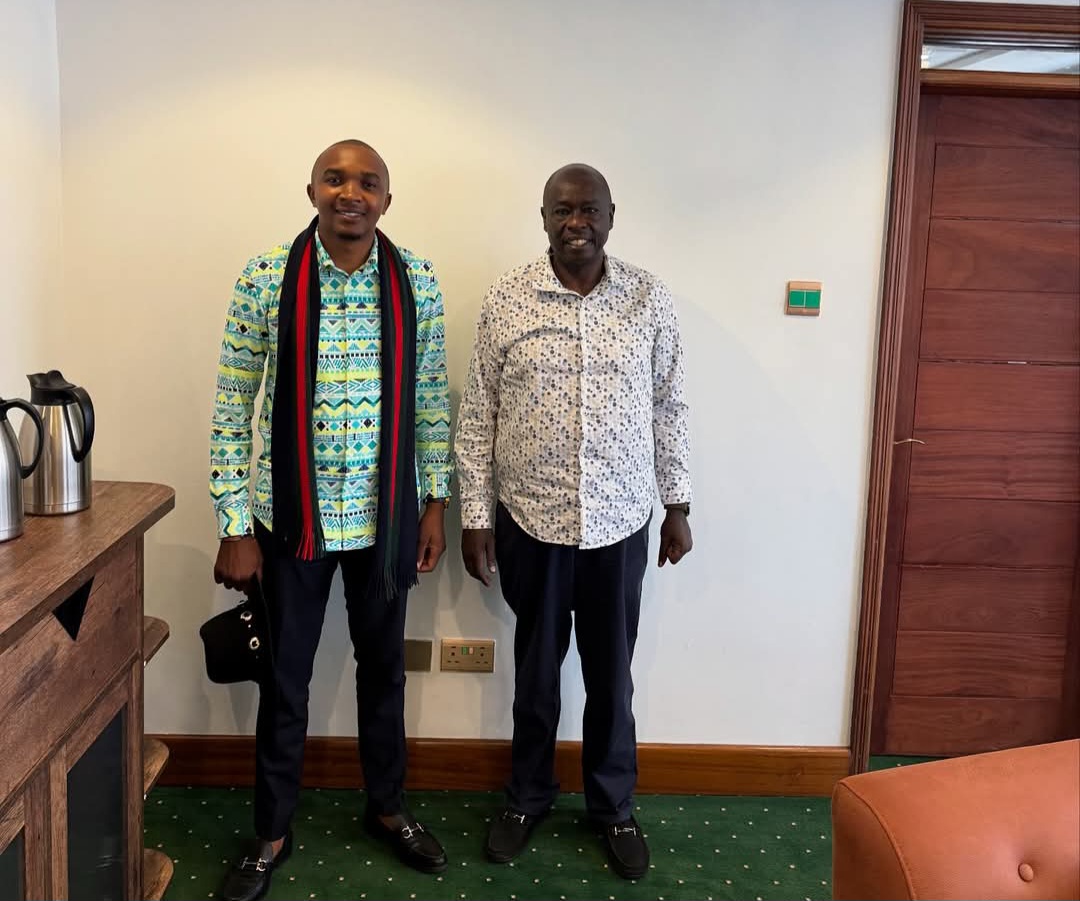
Inject Party Leader Morara Kebaso has today held a closed-door meeting with former Deputy President Rigathi Gachagua at his residence. The two leaders reportedly delved into the realities of Kenyan politics and the urgent need for governance reforms, signaling a potential alliance that could shake up the country’s power dynamics.
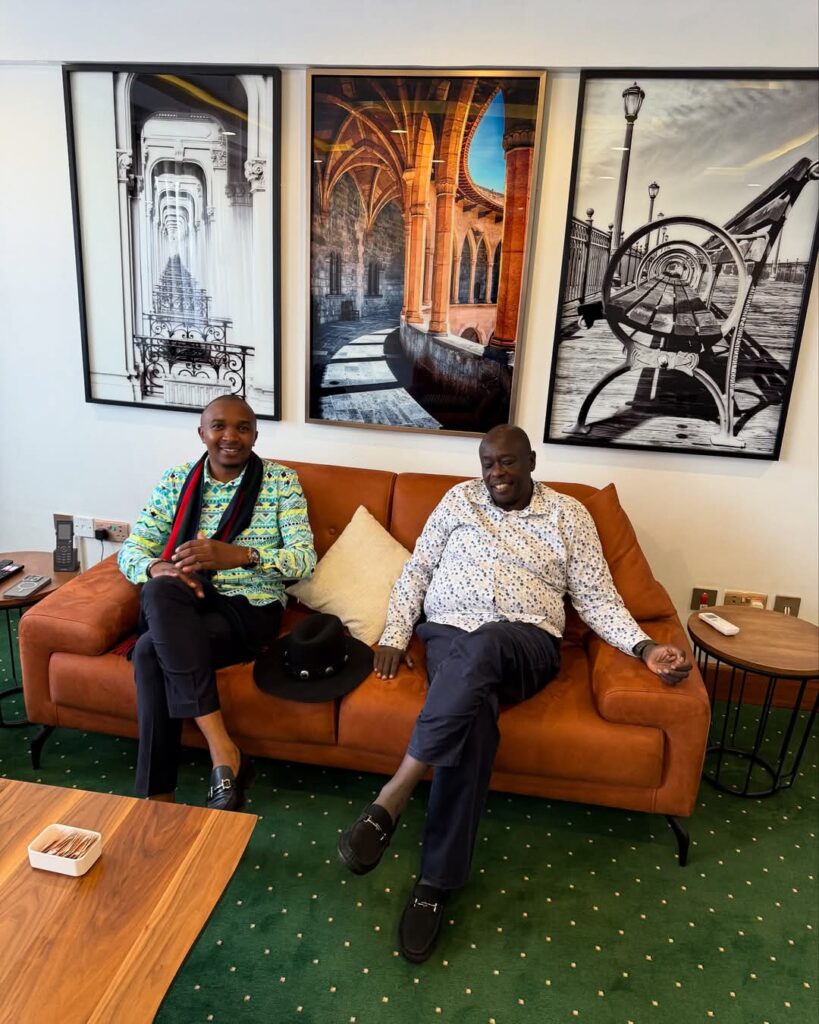
Kebaso, a vocal advocate for youth empowerment and governance accountability, disclosed that the discussions revolved around pressing national issues, including youth unemployment, economic exclusion, and human rights abuses—concerns that have increasingly placed the government under scrutiny.
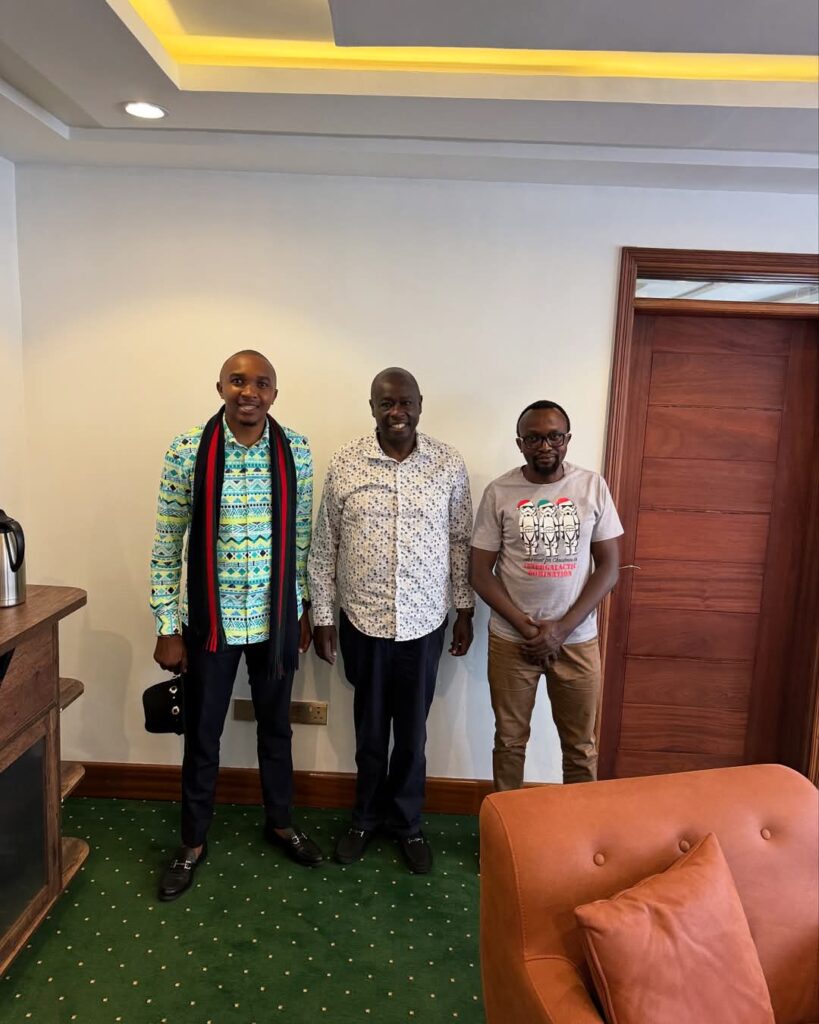
“I met with HE Rigathi Gachagua to discuss the reality of Kenyan politics and the practical steps that should be taken for meaningful reforms. We also discussed the issue of youth unemployment, economic exclusion, and human rights abuse. He shared with me his thoughts about what should be done to exact justice for victims of police brutality, abduction, and extrajudicial killings,” Kebaso revealed.
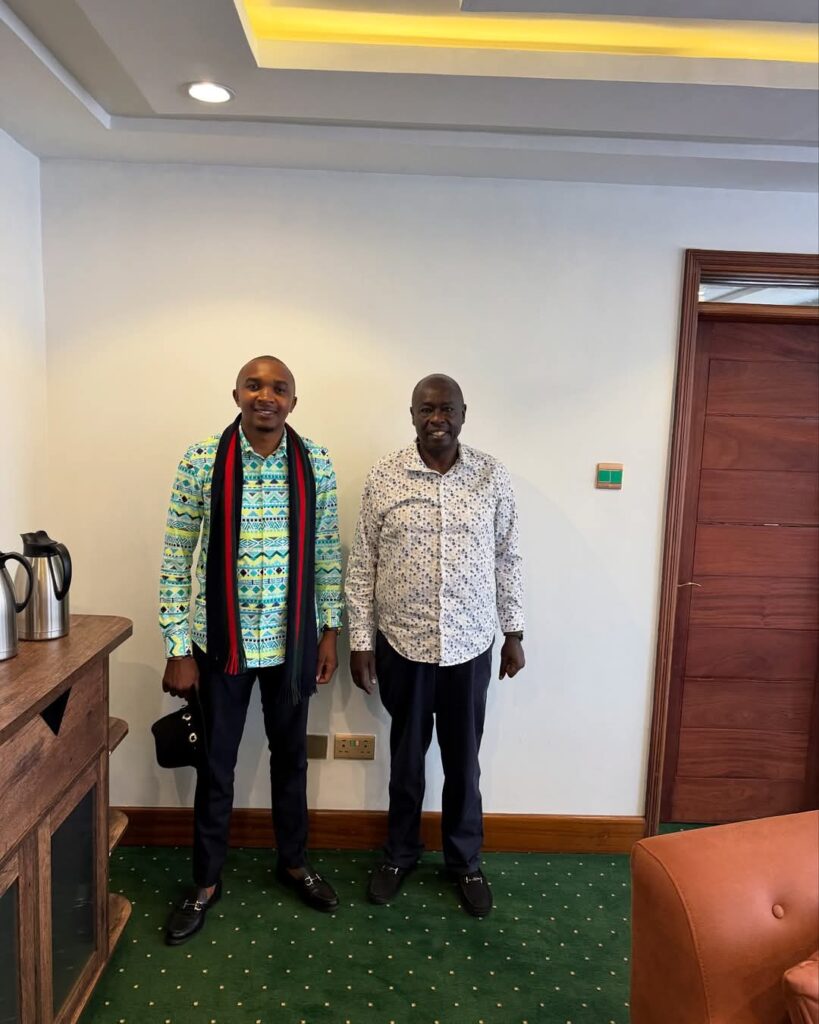
The unexpected meeting between the two leaders has sparked intense speculation, especially given Gachagua’s ongoing political battles and strained relations with President William Ruto’s administration. Gachagua, who once wielded immense influence as Ruto’s deputy, has found himself increasingly isolated, with his impeachment looming and his political future uncertain.
Observers see this meeting as a strategic maneuver for both parties. For Gachagua, who has branded himself as the defender of the Mt. Kenya region, aligning with younger, reform-minded leaders like Kebaso could be a way to reinvent his political relevance. On the other hand, Kebaso’s engagement with seasoned politicians may indicate his broader ambitions of positioning himself as a key player in the next phase of Kenyan politics.
Beyond politics, their discussion on justice for victims of police brutality and extrajudicial killings is likely to ignite fresh debate on government accountability. Kenya has witnessed a disturbing rise in enforced disappearances and state-sponsored violence, with human rights groups continuously calling for reforms.
Kebaso reaffirmed his commitment to championing change, stating, “I will continue to engage leaders from across the political, religious, and civic space in amplifying the voice of the youth in their quest for change.”
With Gachagua under siege and Kebaso emerging as a bold new voice, could this meeting signal the birth of a new opposition force? And if so, will it disrupt the current political order? Only time will tell.
