



Renowned lawyer Apollo Mboya has filed a petition at the High Court challenging the appointment of Professor Adams Oloo to the Independent Electoral and Boundaries Commission (IEBC) Selection Panel. Mboya contends that Oloo’s dual roles—as a presidential advisor and a member of the selection panel—constitute a glaring conflict of interest, potentially compromising the integrity of the electoral process.
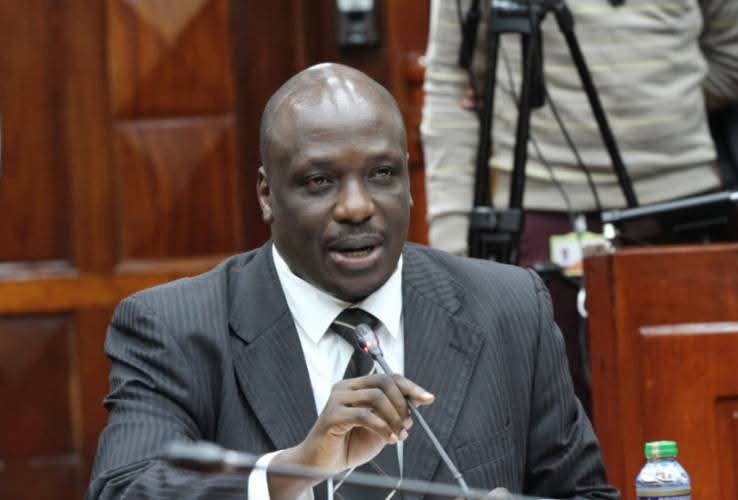
This legal action has ignited a firestorm of debate, with political heavyweights weighing in. Wiper Party leader Kalonzo Musyoka has vocally opposed Oloo’s appointment, asserting that it contravenes the law and could be a strategic move to delay the reconstitution of the electoral agency ahead of the 2027 polls. Musyoka has called on Oloo to choose between his advisory role and his position on the panel.
The controversy doesn’t end there. Lugari MP Nabii Nabwera has also expressed skepticism about Oloo’s impartiality, questioning whether he can genuinely represent the interests of the public while serving as a presidential advisor. Nabwera suggests that Oloo should recuse himself to maintain the credibility of the selection process.
As the nation watches closely, the High Court’s decision on Mboya’s petition could have far-reaching implications for the upcoming electoral cycle. The case underscores the delicate balance between political appointments and the need for impartiality in institutions that are the bedrock of Kenya’s democracy.
With the clock ticking towards the 2027 elections, the pressure is mounting on all stakeholders to uphold the principles of transparency and fairness. The unfolding saga serves as a stark reminder of the vigilance required to protect the integrity of Kenya’s electoral processes.
