


Across Kenya, construction equipment is once again rumbling through highways and estate roads that had long been abandoned. From Nairobi’s major junctions to Kitui’s dusty rural corridors, stalled road projects are finally being revived.
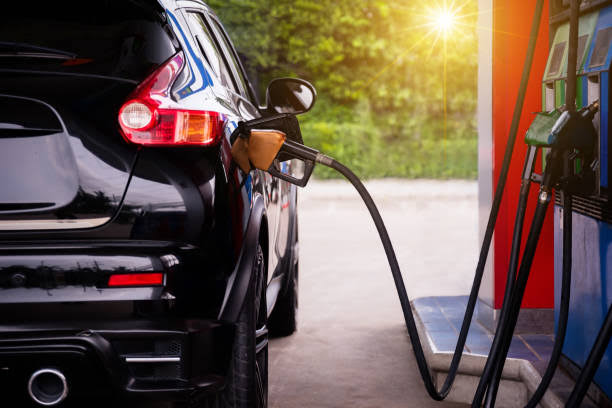
But this visible progress comes at a quiet but significant cost to every Kenyan motorist. Whether you drive daily or ride occasionally, you’re now paying Ksh.7 per litre of fuel into a long-term financial commitment designed to fix the very roads that were left unfinished for years.
Through a process known as securitisation, the government has raised Ksh.175 billion by diverting Ksh.7 from the Ksh.25 fuel levy charged on every litre of petrol and diesel sold in Kenya. This portion of the fuel tax has been packaged into a financial product and sold to investors, who in turn provided the government with upfront cash. These investors will now be repaid over the next seven years, directly from that same Ksh.7-per-litre stream.
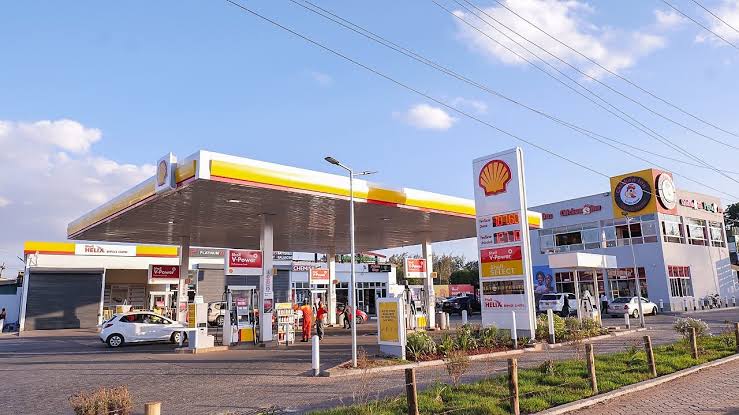
It’s a creative funding strategy—but one that puts long-term weight on ordinary Kenyans. While the fuel levy itself hasn’t increased, the government has locked a portion of it into repayment obligations that limit future flexibility. Every litre you buy between now and 2032 helps fund a deal that solves yesterday’s problems today.
Government officials defend the move as necessary to unblock over 580 stalled road projects nationwide. In Nairobi, the signs are everywhere—Waiyaki Way, Ngong Road, and Kenyatta Avenue are buzzing with renewed activity. But the effort extends far beyond the capital.
In Kitui County, the 192-kilometre Kibwezi–Kitui–Migwani road is one of the most prominent examples. Launched in 2016 and stalled multiple times due to funding shortfalls and land compensation disputes, the road was recently gazetted for completion under this new financing model. Its importance is undeniable: cutting travel time, linking remote towns to major corridors, and supporting trade in livestock, food, and minerals. Yet, like many others, its delay has come at a high cost—economically and politically.
For years, contractors across the country downed tools after going unpaid. The COVID-19 pandemic only worsened the situation as funds were diverted to healthcare emergencies. The accumulation of pending bills ballooned, with some dating back nearly a decade. The securitisation scheme has now allowed the government to pay out 40 percent of what it owes, with another 40 percent expected in the coming weeks. The rest will follow thereafter.
However, Channel 15 News has confirmed that many contractors were compelled to forfeit up to 35 percent of the interest on their delayed payments as part of the deal. Critics call it quiet coercion. The government insists it was necessary to get the work moving again. Still, the burden didn’t disappear—it shifted to the taxpayer.
The Ksh.7-per-litre allocation now being used to repay investors was previously available for routine maintenance and emergency repairs. With it now locked for seven years, any future shortfalls in road budgets may lead to additional taxes, further borrowing, or more delays. Treasury officials argue the model is sustainable, comparing it to ring-fenced funds like SHIF and the affordable housing levy, but independent analysts caution that Kenya is spending tomorrow’s money to fix yesterday’s mistakes.
For motorists, this is not just another tax—it’s a financial tether tied to every journey they make. For residents in underserved regions like Kitui, Mutomo, and Migwani, the renewed works may finally bring relief, even if painfully overdue. And for the nation, it’s a lesson in accountability: roads that were supposed to be delivered years ago are now being paid for again—by the very public they were meant to serve.
Channel 15 News will continue to follow how every litre—and every shilling—paves the path forward.
