


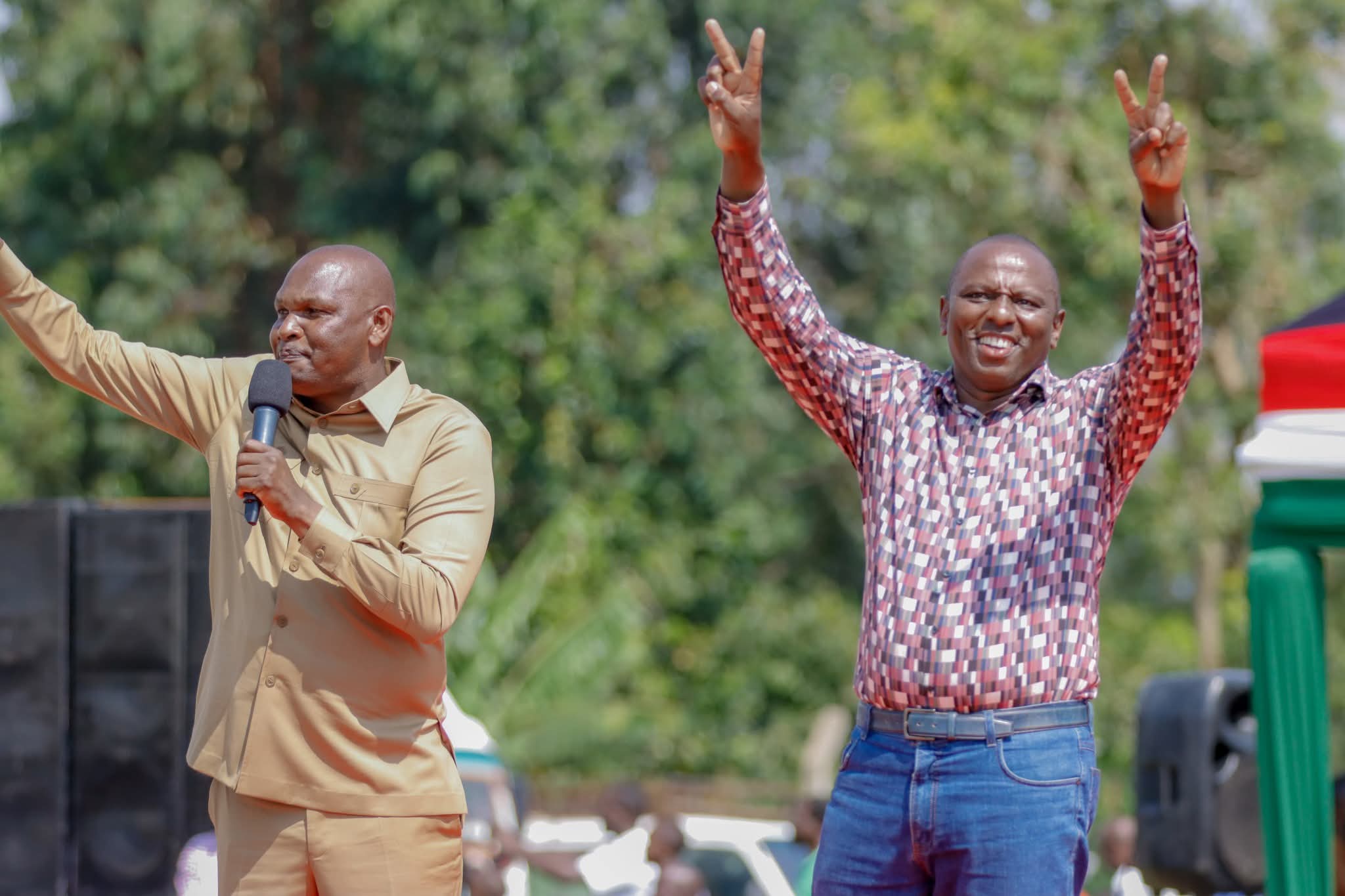
In a jaw-dropping confession that has rocked the nation, National Assembly Majority Leader Kimani Ichung’wah has admitted that the Finance Bill 2024 was secretly passed by Parliament in December 2024—months after youth-led protests against the bill had erupted across the country, leaving dozens dead, hundreds injured, and thousands arrested.
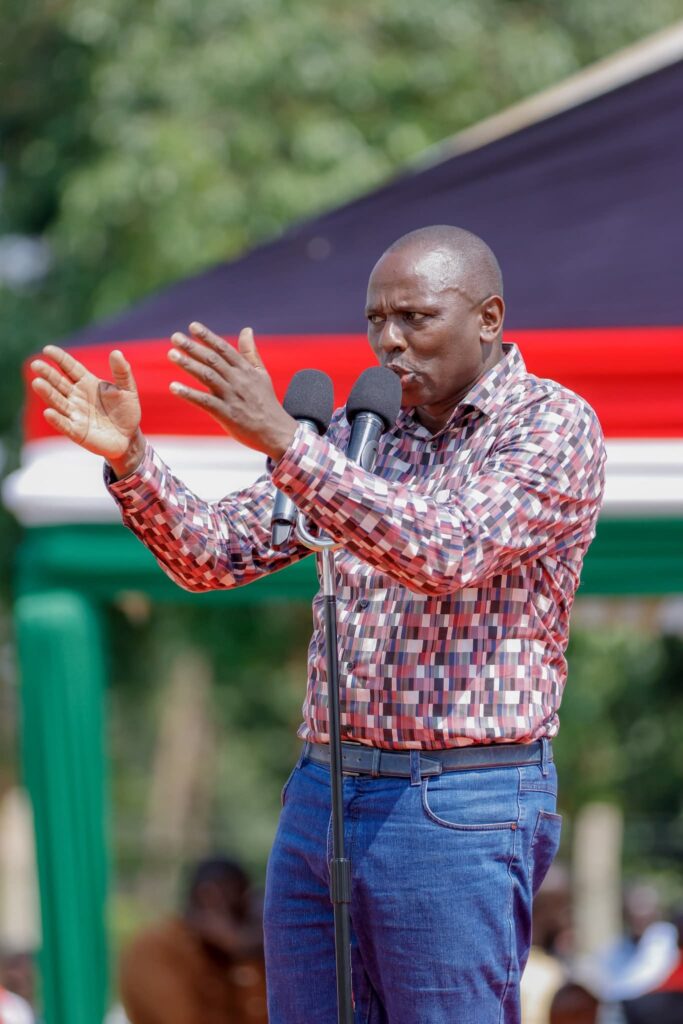
“We saw the protests, we saw the misinformation, and we knew Kenyans wouldn’t listen to facts. So yes, we passed it in December 2024,” Ichung’wah declared unapologetically during a Saturday press briefing. To many, the statement was nothing short of a middle finger to the masses, particularly to the youth who had taken to the streets in June demanding the withdrawal of the punitive tax proposals.
The Finance Bill 2024 introduced sweeping tax measures that included a 16% VAT on bread, levies on mobile money transactions, increased fuel taxes, and eco levies on items like diapers and sanitary pads. These measures were perceived as cruel, especially by ordinary Kenyans struggling under a high cost of living. The backlash was immediate and unprecedented. From June 18, protests spread to over 35 counties, driven largely by Gen Z organizers using hashtags such as #RejectFinanceBill2024, #OccupyParliament, and #RutoMustGo.
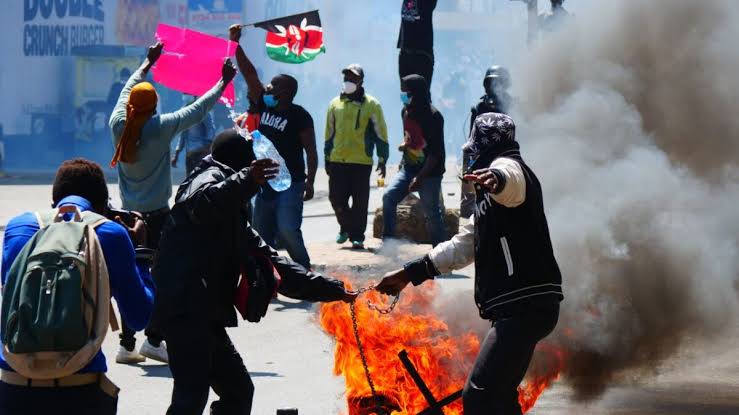
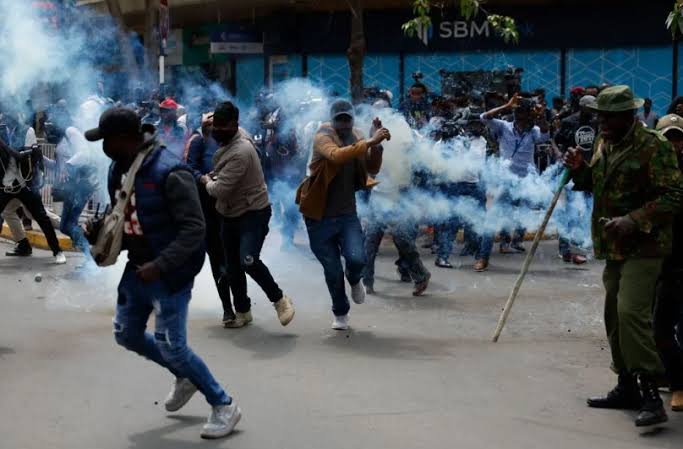
The state response was brutal. According to the Kenya National Commission on Human Rights, by July 1, at least 39 people had been killed, 361 injured, 627 arrested, and 32 reported missing. Independent human rights investigations, including one by the group Lethal in Disguise, reported even higher figures—65 killed, over 1,500 arrested, and more than 60 forced disappearances. The worst of the violence unfolded on June 25, when protesters stormed Parliament. Police responded with live bullets, killing 19 in Nairobi alone, injuring over 200, and arresting more than 130. That same night in Githurai, what would become known as the Githurai Massacre unfolded—medics reported at least 30 deaths and over 100 gunshot injuries in just a few hours.
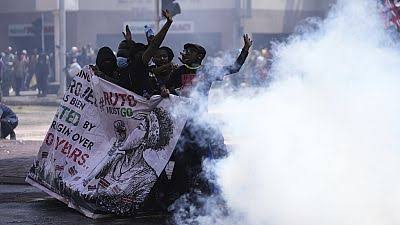
Among those who died were Rex Kanyike Masai, a 21-year-old protester shot dead on June 20, and Evans Kiratu, who was fatally injured by a tear gas canister and succumbed on June 22. Their names, faces, and final moments galvanized a generation.

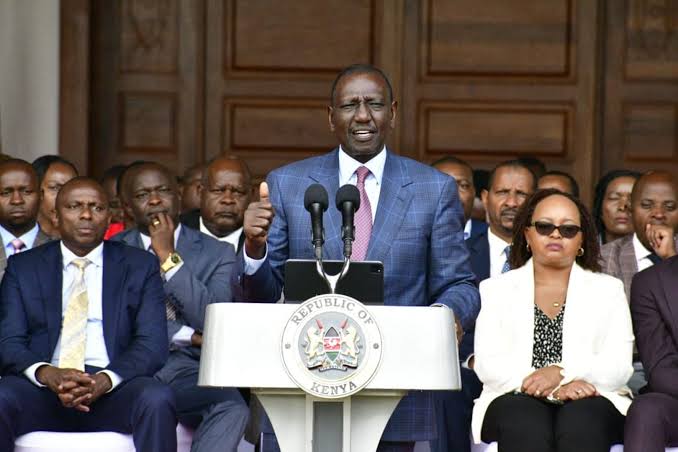
In the face of mounting public pressure and international scrutiny, President William Ruto addressed the nation on June 26. In a widely broadcast speech, he said, “Listening keenly to the people of Kenya… I concede and therefore I will not sign the 2024 Finance Bill and it shall subsequently be withdrawn.” He further promised to cut government spending, initiate a multi-stakeholder dialogue—including youth representation—and reassured Kenyans that their voices had been heard. It was widely interpreted as a victory for people power.
But that victory has now been exposed as an illusion. Ichung’wah’s bombshell admission confirms that while the public was in mourning, while families were burying their children, and while Kenyans believed in the government’s promise to start over, Parliament was quietly ramming through the very law that had sparked the bloodshed. There was no public announcement, no fresh readings, and no public participation. Just silence, signatures, and betrayal.
Public reaction has been explosive. Outrage pouring in across digital platforms, with activists and lawyers have threatening court action, citing gross violations of Article 118 of the Constitution, which guarantees public participation in the legislative process. Some are calling for mass protests, others for resignations, and many more are demanding justice for the lives lost in what they now see as a manipulated and meaningless struggle.
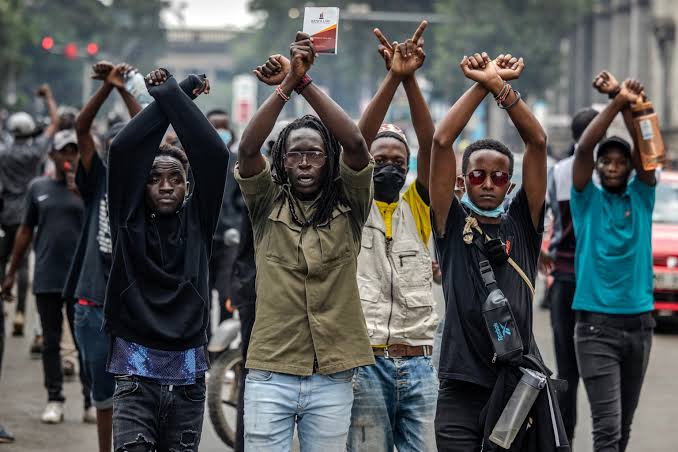
“This is not governance. This is betrayal coated in arrogance,” said a spokesperson from the Occupy Parliament movement. Legal experts are also weighing in, questioning the constitutionality of quietly enacting a bill that had already been withdrawn publicly and whose rejection had been part of the president’s televised commitment.
With the revelation now public, Kenya stands at a crossroads. Will Parliament be held accountable? Will courts intervene? Will Kenyans mobilize again? For now, one truth remains undeniable: young people risked—and lost—their lives believing in a system that chose to deceive them. What happens next could redefine the social contract between leaders and the people.
