



Kenya is preparing for a major economic shift that could turn waste into a lucrative source of wealth, employment and business opportunities, following the unveiling of a KSh45.4 billion national strategy targeting five key sectors of the economy.
The ambitious National Circular Economy Strategy and Implementation Plan (CESIP) 2027–2032 seeks to move the country away from the traditional practice of producing, consuming and disposing of materials towards a system where discarded products and materials are reused, recycled and converted into valuable resources.
The five-year framework is expected to unlock economic opportunities exceeding US$700 million (approximately KSh90 billion), while contributing an estimated 0.5 per cent to Kenya’s Gross Domestic Product (GDP) by 2030.
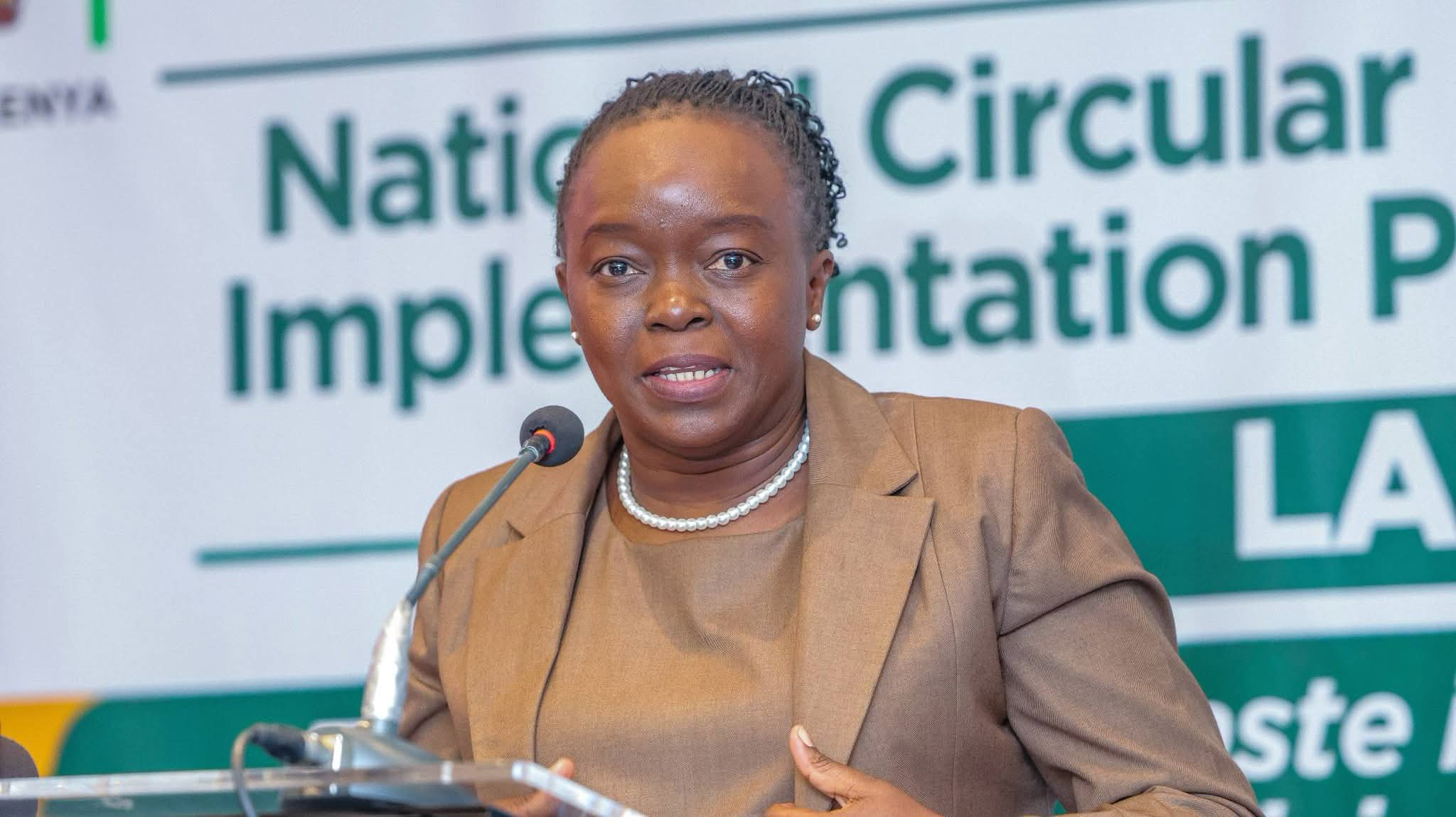
Environment, Climate Change and Forestry Cabinet Secretary Deborah Barasa unveiled the strategy on Tuesday, November 25, describing it as a major economic transformation agenda that goes beyond conventional waste management.
The plan could create new opportunities for entrepreneurs, manufacturers, farmers, waste collectors, young people and women, while encouraging investment in businesses that turn discarded materials into commercially valuable products.

Five Industries Targeted in KSh45.4 Billion Strategy
The government has identified five priority sectors that will drive the transition, with interventions designed to reduce waste, improve resource efficiency and create new markets.
They include agriculture and food systems, plastics and packaging, electrical and electronic equipment, textiles and fashion, and mining, quarrying and construction.
In agriculture, the strategy seeks to promote the recovery and productive use of organic waste and agricultural residues, opening opportunities for businesses dealing in recycled agricultural inputs and other value-added products.
The plastics and packaging sector will undergo changes through stronger product standards, expanded reuse systems and improved recycling infrastructure, with the government seeking to reduce pollution while encouraging commercial recovery of discarded materials.
In the electronics industry, the focus will be on repairing, refurbishing and recycling electrical equipment to recover valuable materials while reducing electronic waste.
The textiles and fashion industry is also expected to benefit from initiatives promoting the sorting, reuse and recovery of discarded clothing and fabrics.
Meanwhile, the construction and mining sectors will be encouraged to improve material efficiency and recover reusable materials from construction and demolition activities.
Government Targets 15,000 Waste Workers
One of the significant components of the strategy is its focus on bringing informal waste collectors and recyclers into the formal economy.
The government intends to certify 15,000 informal-sector workers by 2032 in partnership with county governments.
The initiative is expected to strengthen the recognition of people already earning a living through waste collection and recycling while creating opportunities for improved skills, formal participation and access to emerging economic activities.
Women, young people, micro and small enterprises and informal recyclers have been identified as important participants in the transition.
The strategy also seeks to expand access to financing for businesses involved in recycling, material recovery and other circular economy activities.
Counties Given Major Responsibility
County governments are expected to play a central role in implementing the ambitious programme.
Barasa called for coordinated action between national and county governments, the private sector, development partners, academic institutions and local communities.
She emphasised that counties would be critical in harmonising waste management regulations, establishing recovery infrastructure and identifying investment opportunities within their jurisdictions.

The initiative could therefore create opportunities for county-level enterprises involved in waste collection, sorting, transportation, recycling and the production of reusable materials.
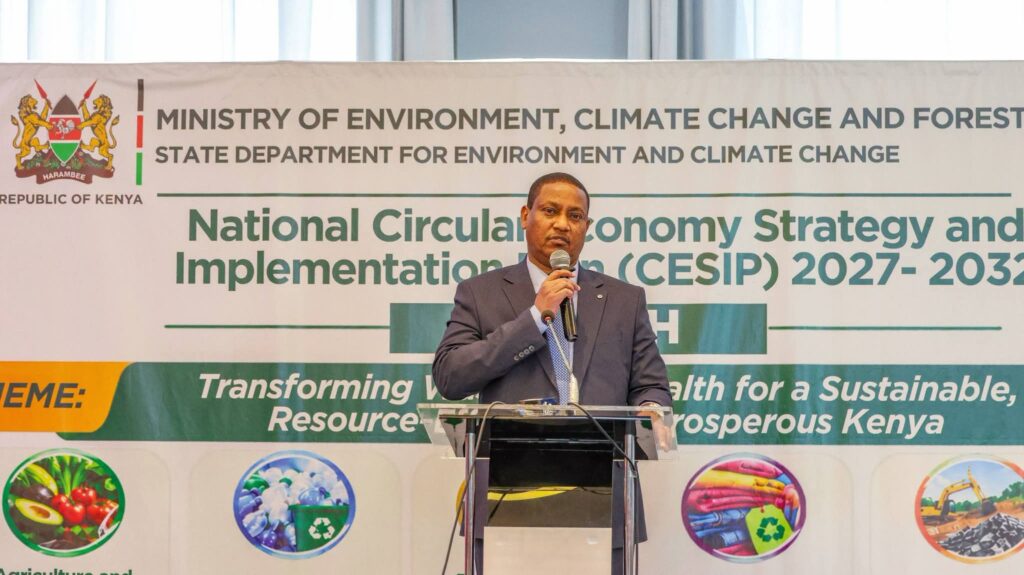
Principal Secretary for Environment and Climate Change Festus Ng’eno said the strategy brings together previously fragmented circular economy initiatives under one national framework with defined responsibilities, implementation targets and accountability mechanisms.
How the KSh45.4 Billion Will Be Spent
Ng’eno disclosed that the indicative implementation cost stands at approximately KSh45.4 billion for the 2028–2032 operational period, calculated at constant 2026 prices.
He said the government would work with the National Treasury, development partners, financial institutions, county governments and private enterprises to mobilise the required resources.
The funding is expected to support interventions including waste management coordination, recycling infrastructure, quality standards for secondary materials, improved access to financing and stronger implementation capacity at county level.
The government also intends to strengthen the Extended Producer Responsibility (EPR) framework, which places greater responsibility on producers for managing the environmental impact of products and packaging after use.
When Will the Programme Begin?
Although the strategy covers the 2027–2032 period, its implementation will follow a phased approach.
The year 2027 will serve as a preparatory period focusing on validation, institutional coordination and readiness before the main operational phase begins in 2028.
During the initial implementation years, the government plans to establish quality standards for recycled materials, strengthen producer responsibility systems, improve national waste management coordination and develop reliable data on material flows.
The National Circular Economy Programme (NACIP) will serve as the primary delivery vehicle for operationalising the strategy in 2027.
The Bigger Economic Picture
Kenya’s growing waste management challenges have been identified as both an environmental concern and an untapped economic opportunity.
According to the figures presented during the launch, the country generates approximately 0.5 kilogrammes of waste per person daily, with packaging materials accounting for nearly 30 per cent of municipal solid waste.
The government believes that improving how these materials are collected, processed and reused could reduce environmental pollution while supporting domestic manufacturing, agricultural productivity and job creation.
The strategy is also intended to reduce dependence on imported raw materials, attract green investments and strengthen the competitiveness of Kenyan businesses.
However, its success will depend on whether the government can mobilise the proposed KSh45.4 billion, establish effective recycling systems and translate policy commitments into practical investments that benefit businesses and ordinary households.
For millions of Kenyans, the biggest test will be whether the ambitious plan creates accessible economic opportunities beyond the launch announcements.
If successfully implemented, materials that are currently discarded could become valuable inputs for new industries, positioning waste management as an important contributor to Kenya’s economic growth.
