



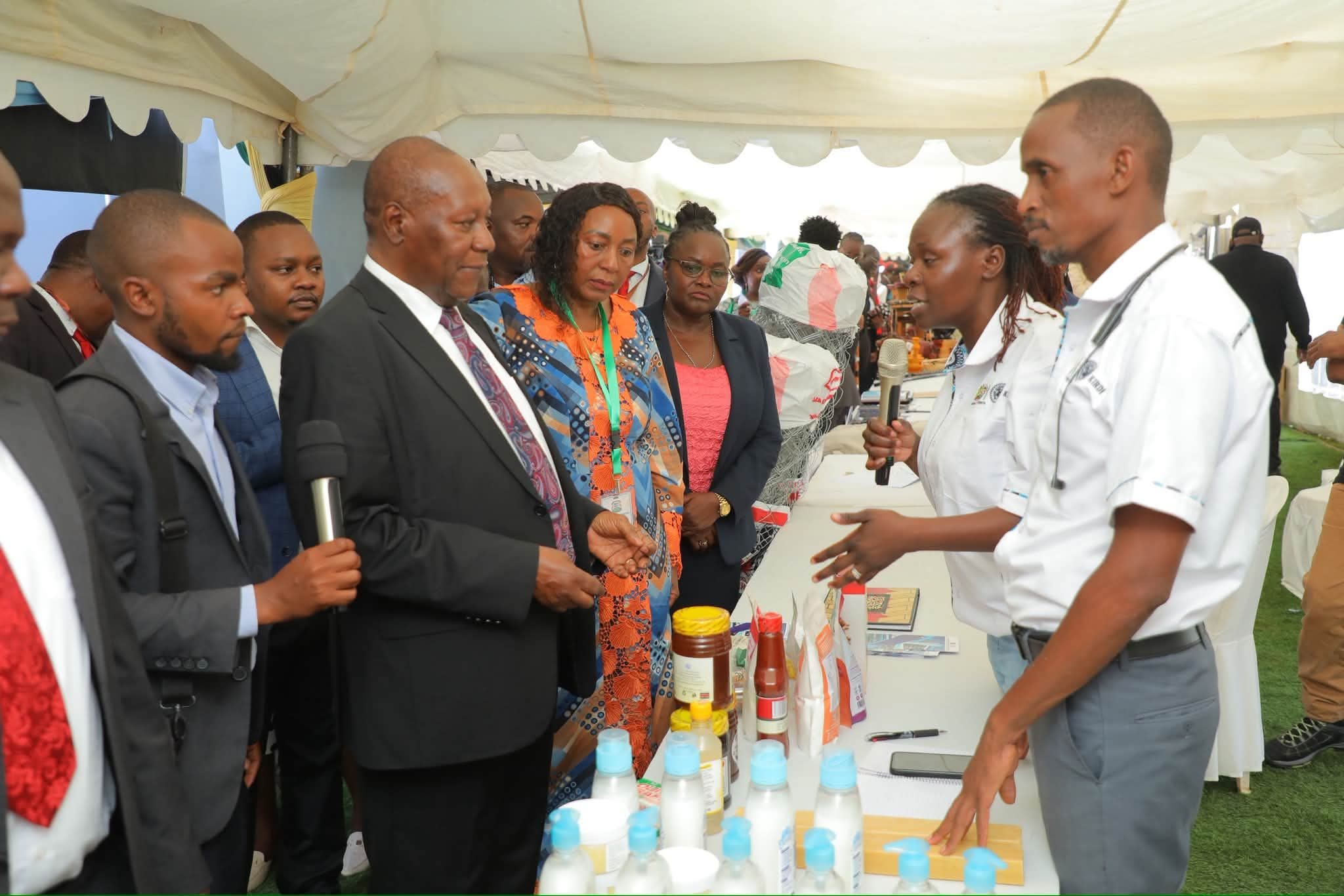
Kitui County’s ambitious plan to establish a 1,500-acre aggregation and industrial park at Kanyonyoo could open a new chapter for thousands of local entrepreneurs, as the county government pushes to transform small businesses into competitive enterprises capable of attracting investment, creating jobs and expanding markets.
The proposed industrial park, which has earmarked 100 acres for shared facilities serving Micro, Small and Medium Enterprises (MSMEs) and cooperatives, is emerging as a key pillar of Kitui’s economic transformation agenda.
The project featured prominently on Thursday, November 26, 2026, when Governor Dr Julius Malombe challenged entrepreneurs to position themselves to benefit from emerging investment opportunities rather than continue relying on the sale of raw agricultural and mineral products.
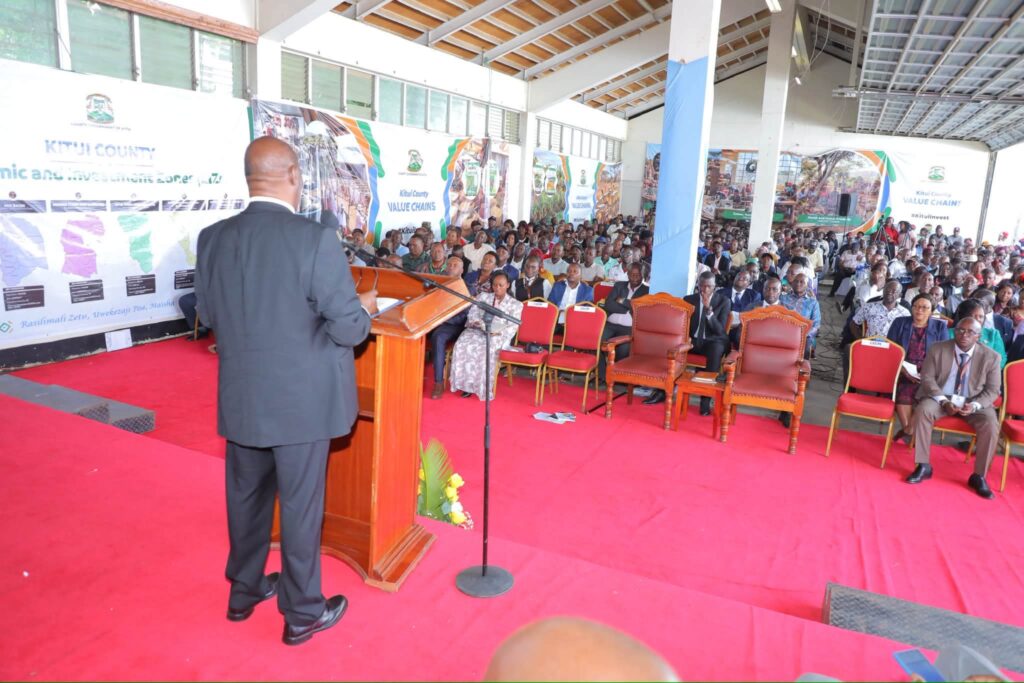
Speaking during the MSMEs and Cooperatives Symposium at the Kenya Forestry Research Institute (KEFRI) in Kitui town, Malombe said the county’s natural resources could only translate into meaningful economic prosperity if they were supported by value addition, structured business operations and effective utilisation.
“Abundant natural resources and raw materials alone do not create wealth. Sustainable economic prosperity is achieved through value addition, structured enterprise development and effective resource utilisation,” he said.
The Governor cited Kitui’s 35,000 registered MSMEs and 467 cooperatives as an important foundation for the county’s economic growth, arguing that their potential could be unlocked through formalisation, improved competitiveness and stronger links to investment opportunities.

For small-scale entrepreneurs, the proposed Kanyonyoo industrial park could provide an opportunity to move beyond informal operations and access shared business facilities that support production, processing and enterprise development.
The 100 acres reserved for MSMEs and cooperatives could particularly benefit businesses seeking to expand their operations and participate in larger value chains, although the specific facilities and implementation timelines will be key in determining how entrepreneurs eventually benefit.
Value Addition Takes Centre Stage
Malombe’s message comes amid growing calls for counties to maximise the economic value of locally available resources by investing in processing, manufacturing and organised marketing.
Kitui has considerable agricultural and mineral resources, but turning these into sustainable sources of income requires more than harvesting or extracting raw materials.
Through value addition, local producers and businesses can potentially increase the market value of their products, create employment and retain a greater share of the economic benefits within the county.
The Governor urged MSMEs and cooperatives to formalise their operations and prepare to take advantage of emerging opportunities, signalling the administration’s intention to make local enterprises a central part of Kitui’s development agenda.
KASTIE Offers Another Investment Opportunity
The county is also looking towards the Kitui Agricultural Show, Trade and Investment Expo (KASTIE), scheduled for March 11–13, 2027, at Ithookwe Stadium.
Malombe said the event would provide a platform for entrepreneurs to showcase their products, establish business networks and connect with potential investors, financiers and markets.
He further called on residents, institutions and other stakeholders to support the Buy Kitui, Build Kitui initiative by prioritising locally produced goods and services.
The initiative is intended to strengthen local enterprises by encouraging demand for products and services originating from within the county.
The Bigger Economic Question
While the proposed industrial park and investment expo present significant opportunities, the success of Kitui’s economic transformation agenda will ultimately depend on how effectively these plans translate into tangible benefits for ordinary business owners.
Access to affordable financing, reliable infrastructure, markets, modern production facilities and technical support will remain important in determining whether small enterprises can grow into competitive businesses.
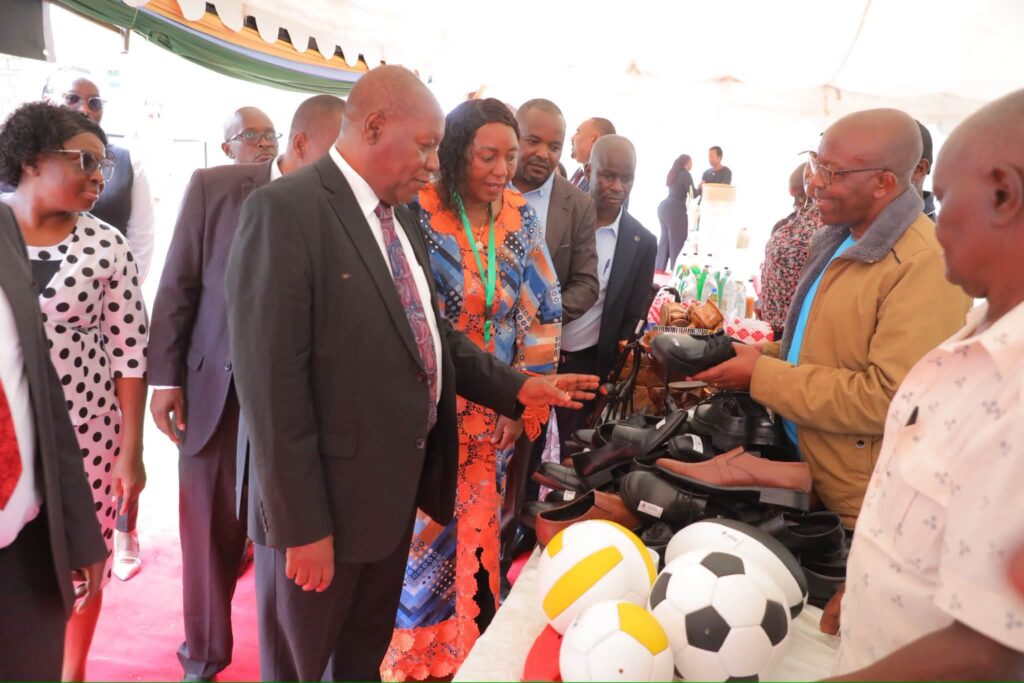
For Kitui’s 35,000 registered MSMEs and hundreds of cooperatives, the emerging investment agenda presents an opportunity to become more than small-scale traders and producers.
The challenge now is ensuring that the planned investments create practical opportunities for local entrepreneurs, particularly those who have traditionally struggled to access larger markets and financing.
As preparations for Kanyonyoo’s industrial park and KASTIE gather momentum, the critical question is whether Kitui’s small businesses will be ready to seize the opportunities and become active players in the county’s economic transformation.
