


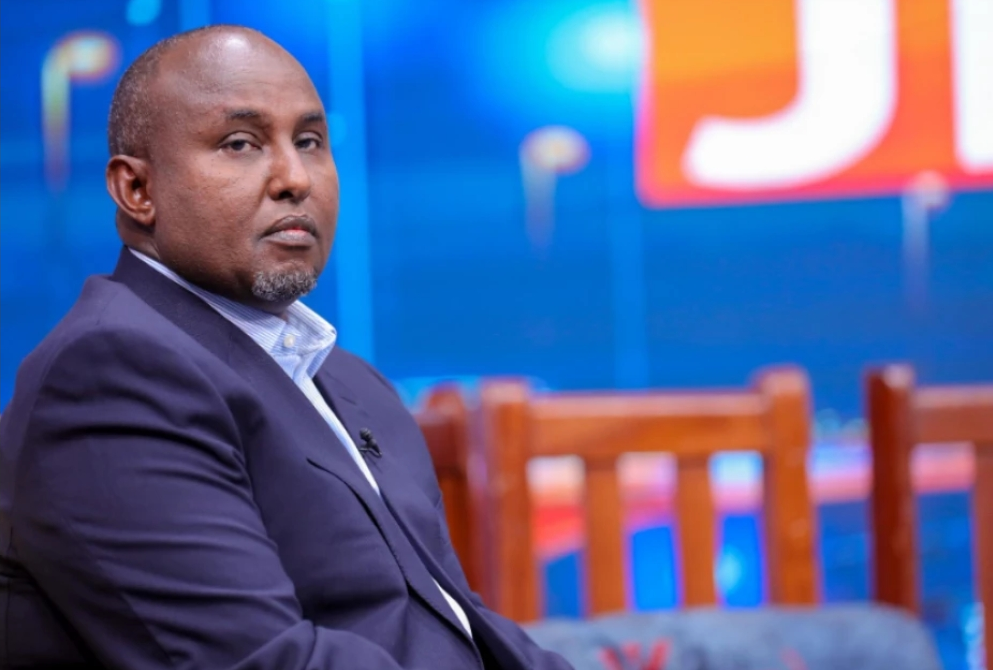
Suna East MP and ODM National Organising Secretary Junet Mohamed has forcefully dismissed claims that he was responsible for the failure to pay Raila Odinga’s polling agents during the 2022 General Election, arguing that he has been unfairly scapegoated because of his proximity to the ODM leader.
Speaking on JKL Live with Jeff Koinange on Citizen TV on Wednesday night, Junet insisted that he neither handled nor misappropriated agents’ money, maintaining that his role in the campaign was purely political mobilisation and grassroots engagement.
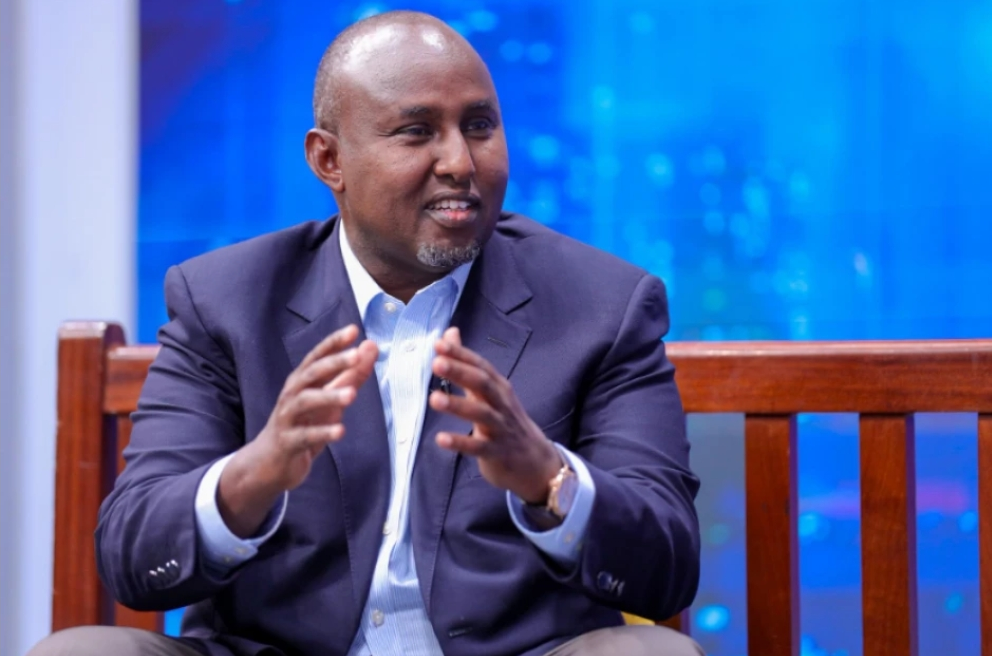
“I did not take agents’ money,” Junet stated, pushing back against long-standing accusations that have continued to trail ODM’s 2022 loss. “If Baba had won that election, I would be a very big man in this country. People are blaming me simply because I was closest to Raila.”
Junet went further to name where responsibility for the funds lay, claiming that the money meant for agents was in the custody of former President Uhuru Kenyatta, his brother Muhoho Kenyatta, and an aide, Patrick Mburu. According to him, logistical failures within the broader campaign structure—not individual sabotage—contributed to the chaos that unfolded on election day.
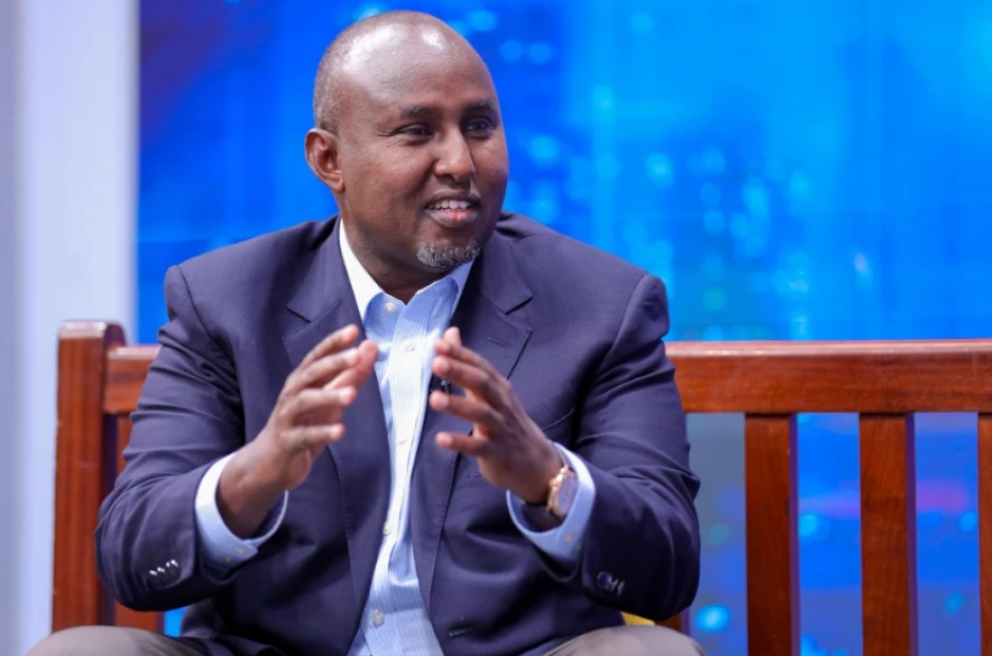
He argued that Raila Odinga’s defeat cannot be reduced to the agents’ issue alone, suggesting that voter behaviour and campaign strategy also played a decisive role. Junet controversially claimed that some Kenyans deliberately chose not to vote for Raila, while Uhuru Kenyatta, instead of mounting an aggressive grassroots campaign, focused his efforts from State House, a move Junet described as politically costly.
Beyond the agents’ money controversy, Junet used the interview to offer a candid postmortem of ODM’s 2022 campaign, admitting that senior government figures had privately warned him that Raila would lose against President William Ruto. He expressed regret that ODM entered the race while closely associated with the government of the day, saying the alliance became “baggage” rather than an asset.
Junet also addressed broader political realignments ahead of 2027, confirming that ODM remains part of the broad-based government and has already begun negotiations with UDA. He said the party’s support for President Ruto in 2027 would depend entirely on the outcome of those talks, warning that ODM is equally open to engaging other political formations if negotiations collapse.
On internal party tensions, Junet downplayed reports of rifts involving Senator Edwin Sifuna, Winnie Odinga, and Oburu Odinga, insisting that the disagreements are ideological rather than personal. “Nothing serious,” he said, adding that ODM would eventually speak with one voice once party decisions are made.
Turning to criticism from outside ODM, Junet launched a scathing attack on former Deputy President Rigathi Gachagua, dismissing his political relevance and ruling out any engagement with his Democracy for the Citizens Party (DCP). He accused Gachagua of fixating on ethnic politics and described discussions with him as meaningless.
Despite the controversies, Junet struck a confident tone about his own political future, declaring that he will comfortably retain the Suna East parliamentary seat in the next election. “God is the father of orphans,” he said, brushing off fears of political isolation.
By reopening the agents’ money debate and naming powerful figures in the 2022 campaign machinery, Junet Mohamed has reignited one of ODM’s most sensitive post-election wounds. Whether his remarks finally settle the issue or deepen internal scrutiny remains unclear—but they underscore a party still reckoning with defeat while repositioning itself as a central power broker ahead of 2027.
