


Political momentum within the opposition took a dramatic turn over the weekend after Edwin Sifuna led a charged Linda Mwananchi rally in Kitengela that was later disrupted by police, while Kalonzo Musyoka remained conspicuously absent from the public scene.
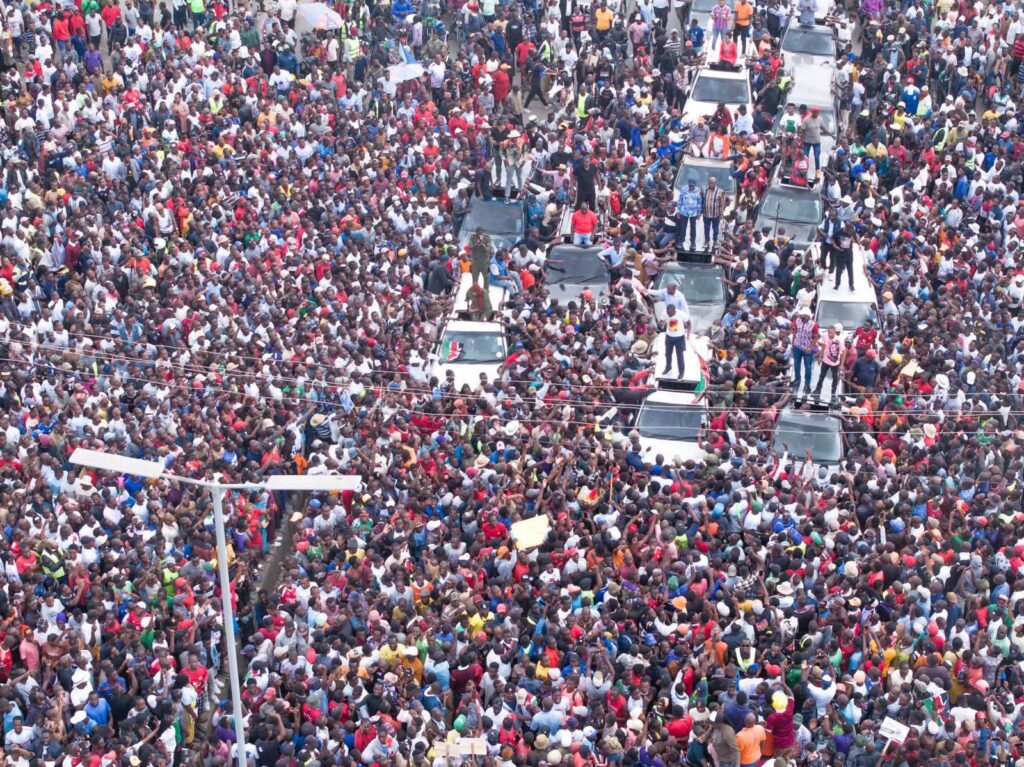
Sifuna’s rally drew thousands of supporters before anti-riot police lobbed teargas to disperse the crowd, an incident that only amplified his visibility and hardened his stance against what he termed state intimidation. The dramatic scenes quickly dominated political conversations, projecting him as an active and combative voice within the opposition landscape.
In contrast, Kalonzo — who has publicly declared his intention to contest the presidency in 2027 — did not make any public appearance on Sunday and shared no political communication across his social platforms. The silence stood out sharply against a weekend of visible mobilization by rival opposition figures.

Kalonzo’s last public political activity was on Saturday in Kitui County, where he sharply criticized MCAs aligning themselves with the broad-based government arrangement.
He accused them of betraying community interests and singled out County Assembly Speaker Kelvin Kinengo in his warning that leaders must remain loyal to the people’s political direction. The remarks signaled internal regional tension, but after that statement, the Wiper leader retreated from the public spotlight.
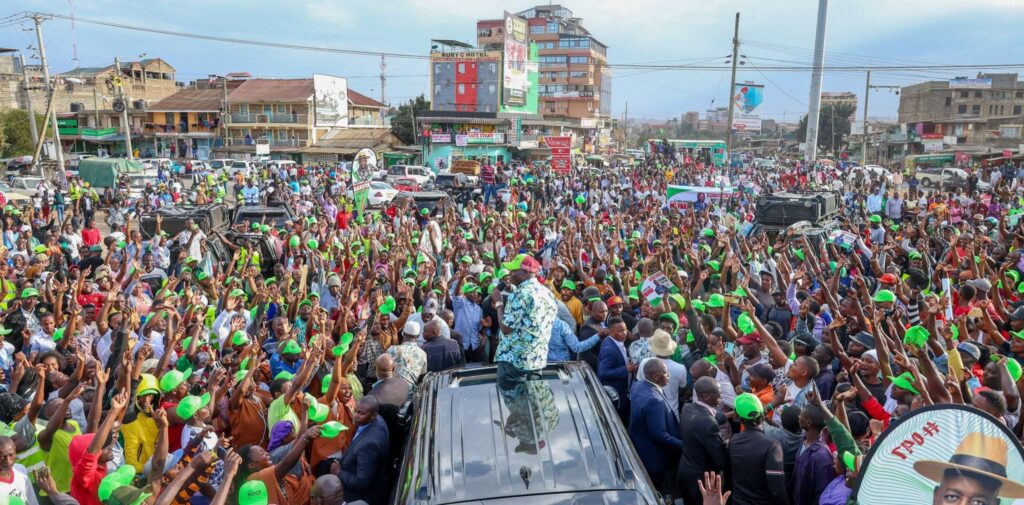
At the same time, DCP Party leader Rigathi Gachagua continued holding grassroots engagements elsewhere, further intensifying comparisons about visibility and political momentum within the opposition ranks.
Online debate quickly followed.
Supporters and critics alike began questioning whether the Wiper Patriotic Front is actively building a national presidential machine or relying on future coalition negotiations to define its path to 2027. While Kalonzo has firmly ruled out playing running mate again and insists he will be on the ballot as a presidential contender, observers argue that modern political contests demand sustained visibility, aggressive grassroots organization and consistent messaging.

Political insiders suggest the former Vice President could be working behind the scenes on strategic alliances. However, in a fast-moving political environment where optics often shape perception, absence can easily be interpreted as hesitation.

With 2027 drawing closer and opposition realignments already underway, the contrast between Sifuna’s teargas-filled rally and Kalonzo’s quiet Sunday has added fresh fuel to the conversation.
Whether that silence signals calculated strategy or slowing momentum may ultimately determine how seriously Wiper’s presidential ambitions are taken in the months ahead.
