


Inspector General of Police Douglas Kanja has issued a rare public apology over the death of blogger Albert Ojwang Omondi, retracting earlier claims that the 25-year-old had died by suicide while in police custody. The apology came after the Independent Policing Oversight Authority (IPOA) conclusively ruled out suicide as the cause of death, triggering a wave of public outrage and intensifying scrutiny of the National Police Service.
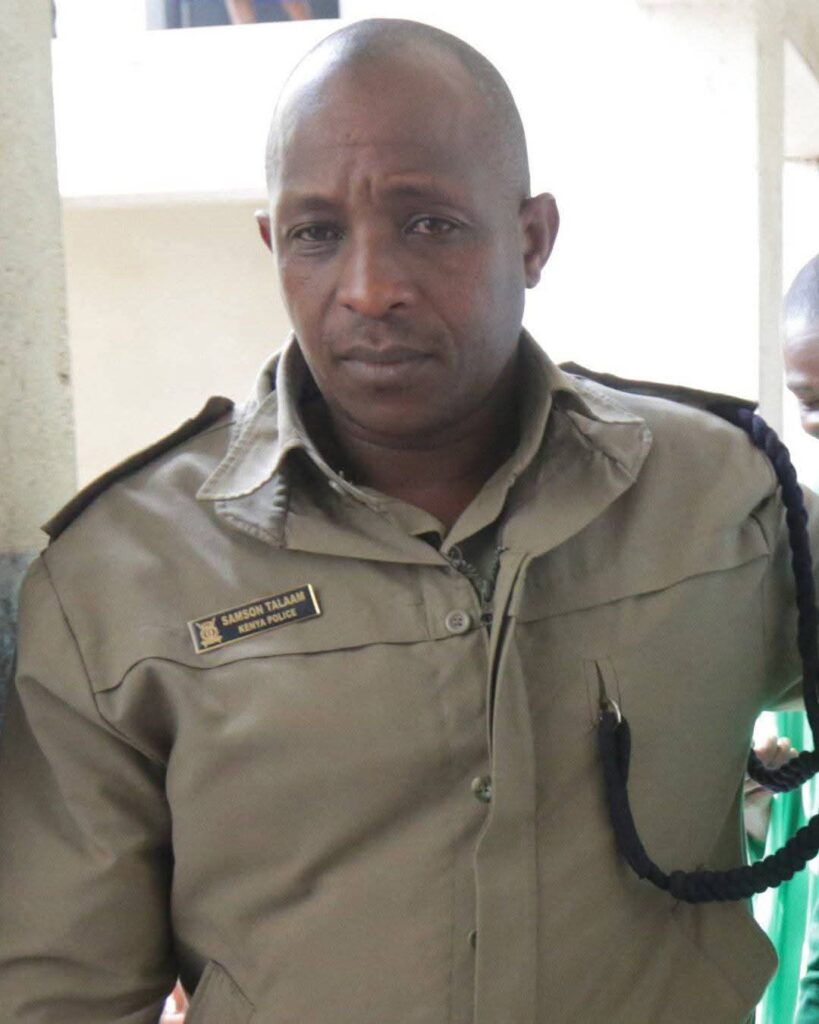
The gravity of the matter deepened further when DCI Director Mohamed Amin named the Officer Commanding Central Police Station, identified as Talam, as the prime suspect in the murder probe. Amin confirmed that Ojwang was never booked into the Occurrence Book (OB) as required by procedure, and that personnel on duty had consulted the OCS, who instructed them not to book the suspect. That omission, according to Amin, puts the OCS at the center of the criminal investigation.

“From the totality of things, he should be treated as a prime suspect in the matter,” Amin stated.
DCI DirectorMohamedAmin , facing tough questions from senators, said the arresting officers had treated Ojwang with “utmost humility,” even giving him soft drinks during the journey from Narok. Upon arrival at Central Police Station, Ojwang was allowed to call his wife and informed her he was safe—proof, Amin argued, that the blogger was alive and well when he reached the station. “I am a parent; my senior officers are all parents. Losing Albert Ojwang pains me. It is not right to lose a child in a police cell,” Kanja told senators.

Inspector General Of Police Douglas Kanja also emphasized the procedures officers are expected to follow when booking suspects, explaining that the occurrence book has a column to document a suspect’s physical condition, and even details like the weather. “If you look at our OB, it has several columns. We do indicate how the suspect is looking like. Even the weather—if it’s raining, we say it’s raining,” he said, underscoring the gravity of skipping the booking process altogether.

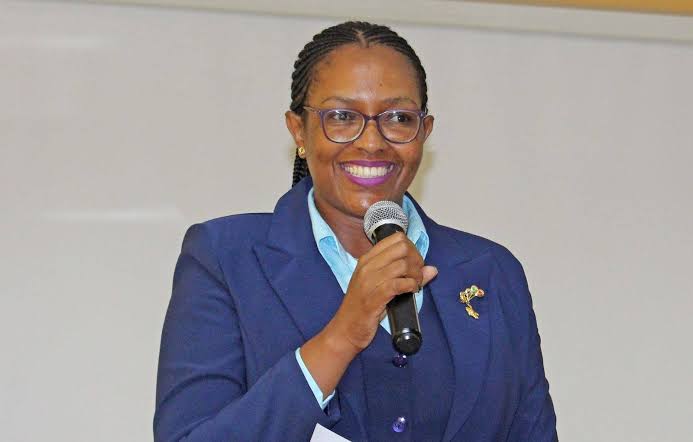
Anne Wanjiku, a commissioner at IPOA, addressed the Senate with a clear call for reform, emphasizing the need for police officers to wear body cameras to improve accountability. “During IG Kanja’s interrogation, he spoke of the importance of officers having body cams. This would have been an avenue where we would have seen what really transpired,” she said.
She also confirmed that IPOA is nearing the conclusion of its investigation. “We are left with about four or five things that need to be concluded. The reports will be ready in less than ten days,” Wanjiku assured. She further pressed Parliament for greater institutional power, stating, “As IPOA, we are still seeking powers to arrest and prosecute. If given those powers, we would be able to act the moment our investigations are complete. Nobody is above the law.”
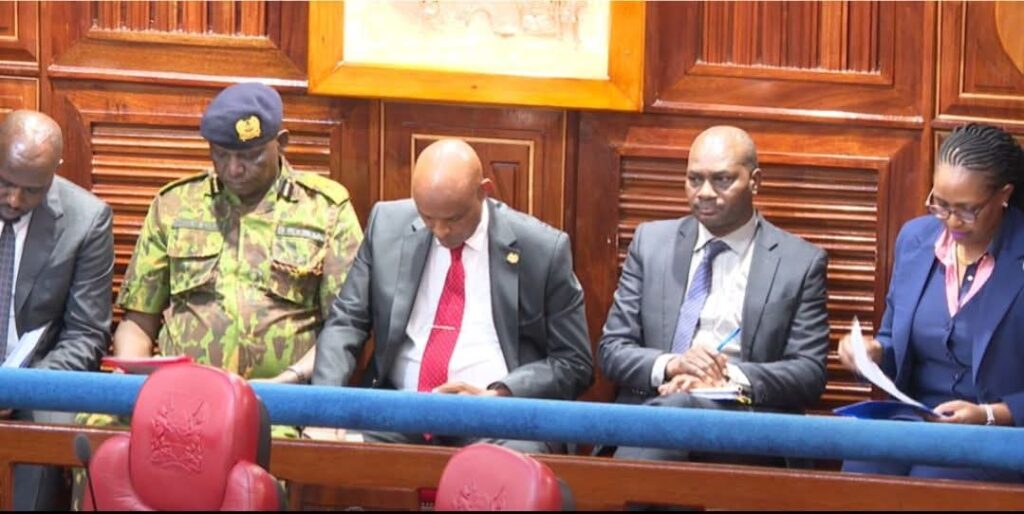
Political leaders were quick to react. Senator Oburu Odinga dismissed the complaint that led to Ojwang’s arrest, saying defamation is not a criminal offense and accusing Deputy IG Lagat of possibly misusing his power. Nairobi Senator Karen Nyamu called the IG’s initial statement “a cover-up” and demanded to know who he was protecting. “I have been held at Central Police. I know at night there aren’t many police on duty. Why haven’t they been charged to date?” she asked.
Senator Joe Nyutu called for Deputy IG Lagat to step aside immediately, warning that his position could allow him to tamper with the investigation or intimidate witnesses.
With IPOA’s final report pending and the OCS now directly under suspicion, the death of Albert Ojwang Omondi has morphed into a damning exposé of the rot within Kenya’s police system. The Senate apology was historic, but for a grieving family and an outraged nation, only one question remains:
Who wanted Albert Ojwang dead—and why?
