


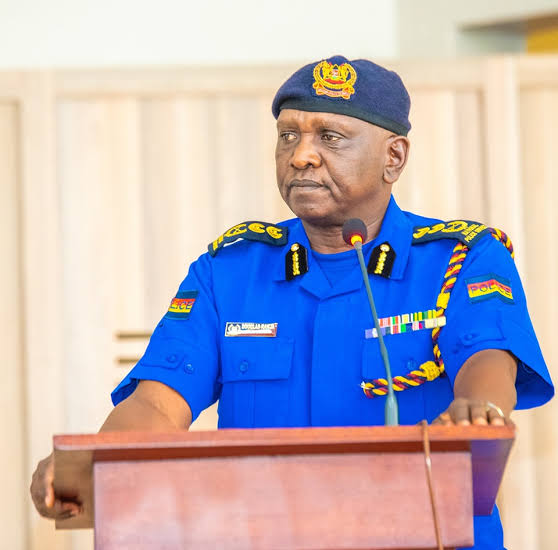
Inspector General of Police Douglas Kanja has officially gazetted the National Government Administration Police Unit (NGAPU), a newly established security unit aimed at strengthening the protection of local administrators and enhancing security at public functions across the country.
The move comes amid growing concerns over the vulnerability of chiefs and assistant chiefs, particularly in high-risk and conflict-prone areas, where administrators have increasingly faced threats, intimidation, and violent attacks while discharging government duties.
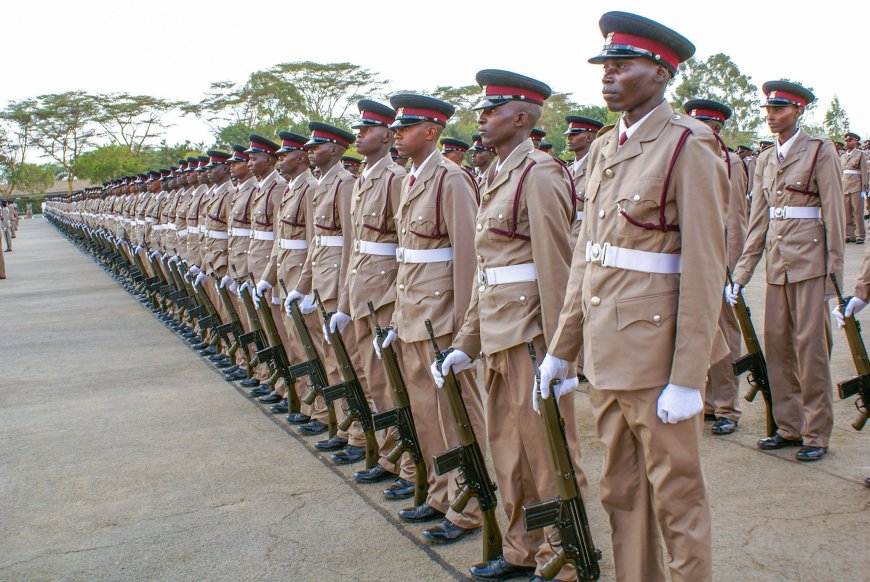
According to the gazette notice, NGAPU has been created to support local administrators in enforcing government policies, maintaining law and order, and ensuring safety during public meetings, barazas, and official state functions.
Mandate and Operations
NGAPU’s operations will focus on improving grassroots security, conflict resolution, and peace-building initiatives, especially in regions affected by insecurity, banditry, land disputes, and inter-communal tensions. The unit is expected to work closely with chiefs and assistant chiefs, effectively bridging the gap between community policing structures and formal state security mechanisms.
Security experts view the unit as a strategic intervention to restore public confidence in local administration and reduce response time during security incidents at the community level.
Structure and Leadership
The unit comprises approximately 6,000 officers who will be deployed nationwide based on risk assessments and security needs. NGAPU is headed by Commandant Charles Mutuma and was officially launched under the leadership of Interior and National Administration Cabinet Secretary Kipchumba Murkomen.

Authorities say the deployment will be phased, with priority given to regions experiencing recurrent insecurity and attacks on government officials.
Strengthening State Presence at the Grassroots
The gazettement of NGAPU underscores the government’s renewed push to reassert state authority at the grassroots, protect frontline administrators, and enhance coordination between communities and security agencies.

With chiefs remaining a critical link between the national government and citizens, the new unit is expected to significantly improve their safety and effectiveness while reinforcing peace and stability across the country.
