


When a new Catholic bishop is announced in Kenya, whether in Kitui, Machakos, Nairobi or elsewhere, the news often sparks curiosity among the faithful and the wider public.
Unlike political offices or corporate leadership roles, the appointment of a bishop is neither elective nor influenced by public campaigns. It is a structured spiritual and legal process governed by the laws of the Catholic Church, and the final authority rests solely with the Pope.
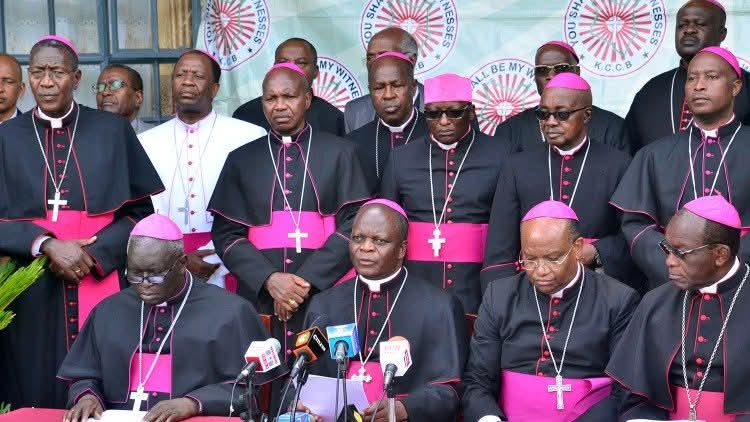
Under Canon 377 §1 of the Code of Canon Law, the Supreme Pontiff freely appoints bishops. Today, that responsibility lies with Pope Francis, who exercises universal authority over episcopal appointments worldwide.
This means that no priest becomes a Catholic bishop in Kenya or anywhere else without direct papal approval. Even though consultations take place locally, the ultimate decision is made in Rome, preserving unity with the Holy See and maintaining apostolic succession — the continuous line of leadership traced back to the Apostles.
The process begins quietly and confidentially within a country’s episcopal structures. In Kenya, the Kenya Conference of Catholic Bishops periodically compiles names of priests considered suitable for episcopal ministry.

These discussions are not public and are conducted discreetly to protect the integrity of those being considered. The names are forwarded to the Apostolic Nuncio, the Pope’s diplomatic and ecclesiastical representative in the country.
The Apostolic Nuncio to Kenya undertakes a detailed background process, consulting clergy, religious men and women, and selected lay faithful to assess a candidate’s doctrinal soundness, pastoral leadership, moral character, administrative competence and spiritual maturity.

After gathering sufficient information, the Nuncio prepares a shortlist known as a terna, typically containing three names, which is then sent to the Vatican’s Dicastery responsible for bishops.
The dicastery reviews the recommendations and presents them to the Pope. While the shortlisted names guide the discernment, the Pope is not strictly bound by them and retains the authority to request further clarification or even choose another candidate.
Once a decision is made, an Apostolic Letter of Appointment is issued, and only then is the announcement made publicly.
If the appointed priest is not already a bishop, he must receive episcopal consecration within a specified period, usually within three months.
The consecration and installation Mass often take place in the cathedral of the diocese and are attended by clergy, faithful, and civic leaders.

In dioceses such as the Roman Catholic Diocese of Kitui and the Roman Catholic Diocese of Machakos, such ceremonies draw thousands of believers, symbolizing both continuity and renewal in Church leadership.
Yet behind that public celebration lies months of confidential evaluation and Vatican procedure.
Canon Law sets clear minimum qualifications for any priest considered for episcopal office. He must be at least 35 years old, have served as a priest for no less than five years, possess strong theological formation, and demonstrate exemplary faith, morals and pastoral prudence.
Contrary to common misconceptions, bishops are not elected by parishioners, nor are they political appointees influenced by regional or tribal considerations. The confidentiality surrounding the process is deliberate, designed to protect reputations, encourage honest consultation and prevent undue external influence.
When a diocesan bishop reaches the age of 75, Canon Law requires him to submit his resignation to the Pope, who then decides whether to accept it immediately or allow continued service for a time.
Transfers to other dioceses or appointments to Vatican offices also occur exclusively through papal authority, reinforcing the universal structure of governance within the Church.

Ultimately, the appointment of a Catholic bishop is a deeply rooted canonical and spiritual exercise rather than a democratic contest. Whether in Lower Eastern Kenya or any other part of the world, the process remains anchored in centuries-old Church law and the central authority of the Bishop of Rome.
Understanding this system helps demystify episcopal appointments and underscores the global unity that defines Catholic governance.
