



A covert attempt to siphon jet fuel from an aircraft at Nairobi’s Wilson Airport has been foiled after detectives from the Kenya Airports Police Unit (KAPU) intercepted a suspicious vehicle within the airport precincts, leading to the arrest of four suspects.
The operation unfolded when officers flagged a white Mitsubishi Canter, registration KBM 647D, that appeared to be operating within restricted areas under unclear circumstances. Upon inspection, the vehicle was found carrying four drums, each containing 200 litres of jet fuel, raising concerns over a possible breach of aviation safety and fuel security protocols.
Preliminary investigations indicate that the fuel had been illegally drained from an aircraft stationed at the NASD hangar and operated by Airworks Aviation. The plane was reportedly undergoing routine maintenance at the time, a situation detectives believe may have been exploited to execute the scheme without attracting immediate attention.
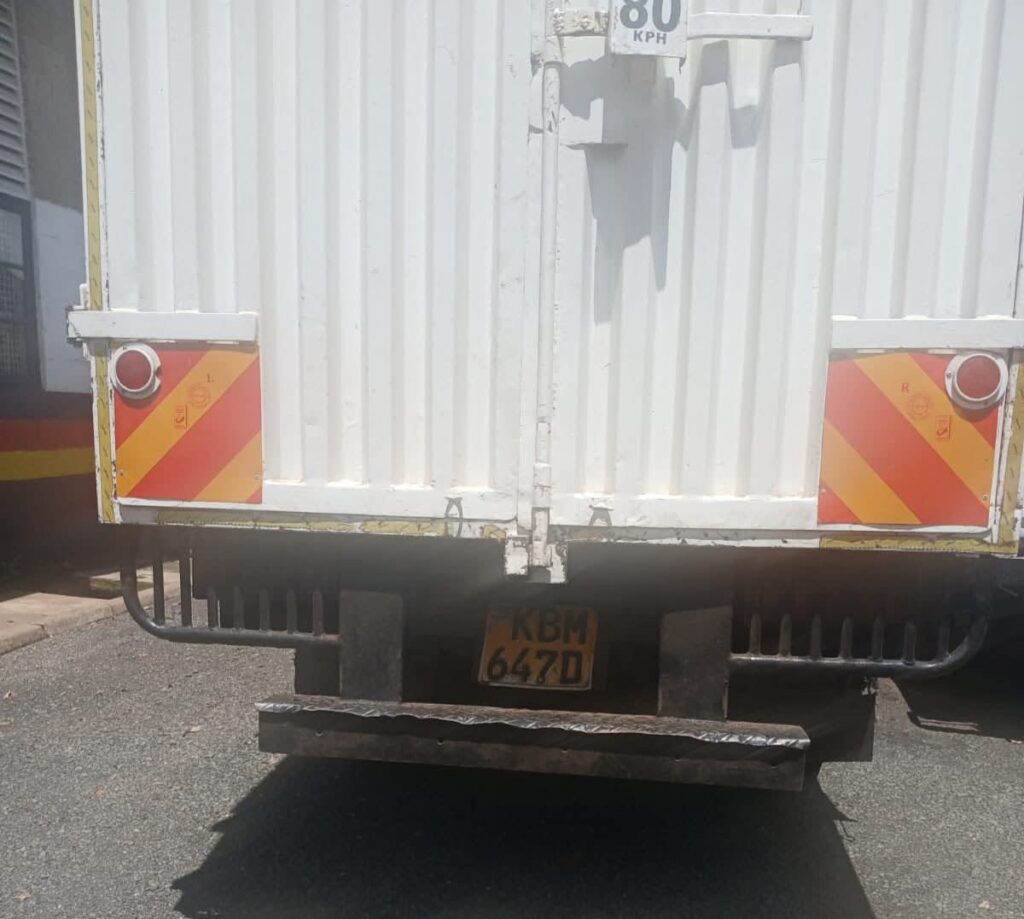
Police say the suspects attempted to move the fuel out of the facility while blending in with normal airport operations. However, their plan was thwarted before they could exit the premises after officers on patrol grew suspicious and intervened.
Authorities further established that the alleged owner of the consignment, Gladys Ndumba Kanairo, did not have a valid airport gate pass. In addition, the vehicle used to transport the fuel lacked the required authorisation from the Energy and Petroleum Regulatory Authority (EPRA), which regulates the movement of petroleum products in the country.
Kanairo was arrested alongside the driver, Timothy Wambugu Maina, and two other suspects identified as Kennedy Njoka Kinuthia and Abdulmalik Musinga.The four are currently in police custody as detectives finalise investigations ahead of their arraignment in court.
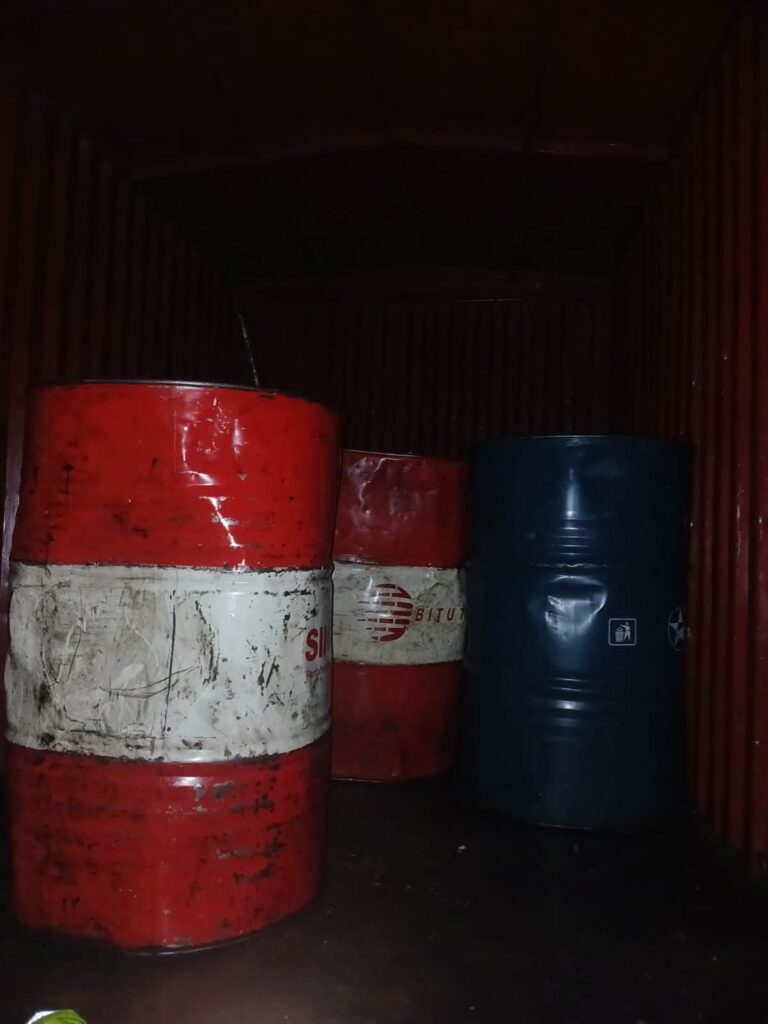
The vehicle and the recovered fuel have since been detained as exhibits, with investigators now seeking to establish whether the incident is linked to a wider network involved in fuel theft within the aviation sector.
The incident has renewed scrutiny over security controls at key installations, particularly in the handling and monitoring of aviation fuel, which is considered both a high-value commodity and a critical component in ensuring flight safety
