


President William Ruto on Tuesday hosted leaders from Kitui County at State House, Nairobi, in a meeting that has now triggered fresh political debate over his 2027 strategy in the Ukambani region.
During the engagement, the Head of State outlined key development projects, including the completion of Thwake Dam, expansion of water harvesting systems, drilling of boreholes, electricity connectivity, road construction, affordable housing, and modern markets.

But even as the government pushes its development agenda, political undercurrents surrounding the meeting are becoming harder to ignore.
Analysts: Ukambani Vote Is Already Locked
Local political commentators now argue that despite these efforts, the Kamba vote remains firmly in Kalonzo Musyoka’s grip.
According to Machakos-based political analyst Peter Mutua, Ruto’s approach may be “too little, too late.”
“Ukambani has historically voted as a bloc, especially when Kalonzo is directly involved. That pattern has not changed, and it is unlikely to change in 2027,” he said.
Another Kitui-based commentator noted that the region’s political identity is deeply tied to Kalonzo, making it difficult for any outsider to make significant inroads.
“You can bring development, yes—but voting patterns here are emotional, cultural, and loyalty-driven. Kalonzo still commands that loyalty almost entirely,” he explained.
Creators Won’t Shift the Needle
Ruto’s outreach to Kamba content creators has also drawn mixed reactions, with analysts downplaying its actual electoral impact.
While acknowledging their influence online, critics argue that digital popularity does not automatically translate into votes.
“These creatives have numbers on social media, but elections in Ukambani are decided at the grassroots—through clan networks, local leaders, and Kalonzo’s political machinery,” said another observer.
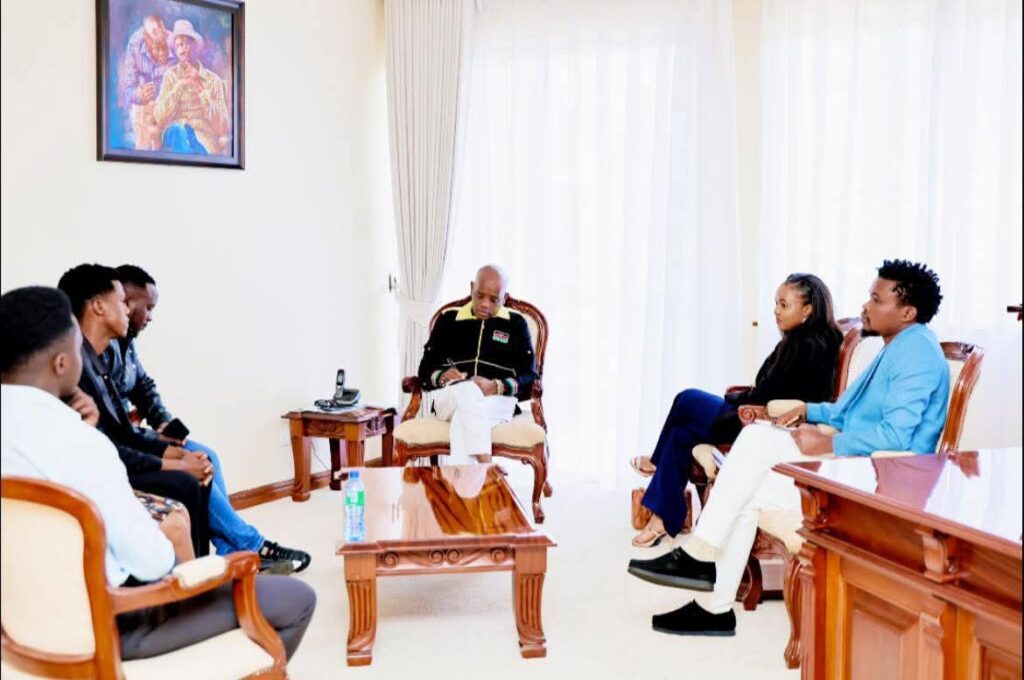
They insist that while creators may shape conversations, they lack the structures needed to convert influence into actual ballots.
History Repeats Itself? The Makueni Example
To reinforce their argument, analysts are pointing to a striking political precedent.
During former President Uhuru Kenyatta’s second term, there were intense efforts by the national government to influence voting patterns in Ukambani.
In Makueni County, local administrators—including chiefs—reportedly faced pressure and were even threatened with dismissal if they failed to align with the government’s preferred political direction.
Despite this, the region overwhelmingly voted in favor of Raila Odinga in 2017, with Kalonzo Musyoka as his running mate.
The outcome sent a clear message
State influence and administrative pressure could not override Kalonzo’s dominance in the region. Wiper youth mobilizer Felix Mambo has also weighed in, defending the involvement of creatives while maintaining his political stance.
“They must eat, they must survive. They depend on their brains and creative capacity,” he said.
However, his remarks also exposed internal tensions, criticizing older political gatekeepers for resisting young talent and only reacting when such creatives engage with rival political camps
Ruto’s Real Challenge
For President Ruto, the numbers from 2022 still cast a long shadow. His performance in Ukambani was significantly low, and with Kalonzo likely to be on the ballot in 2027, the path to improving those numbers appears even narrower.
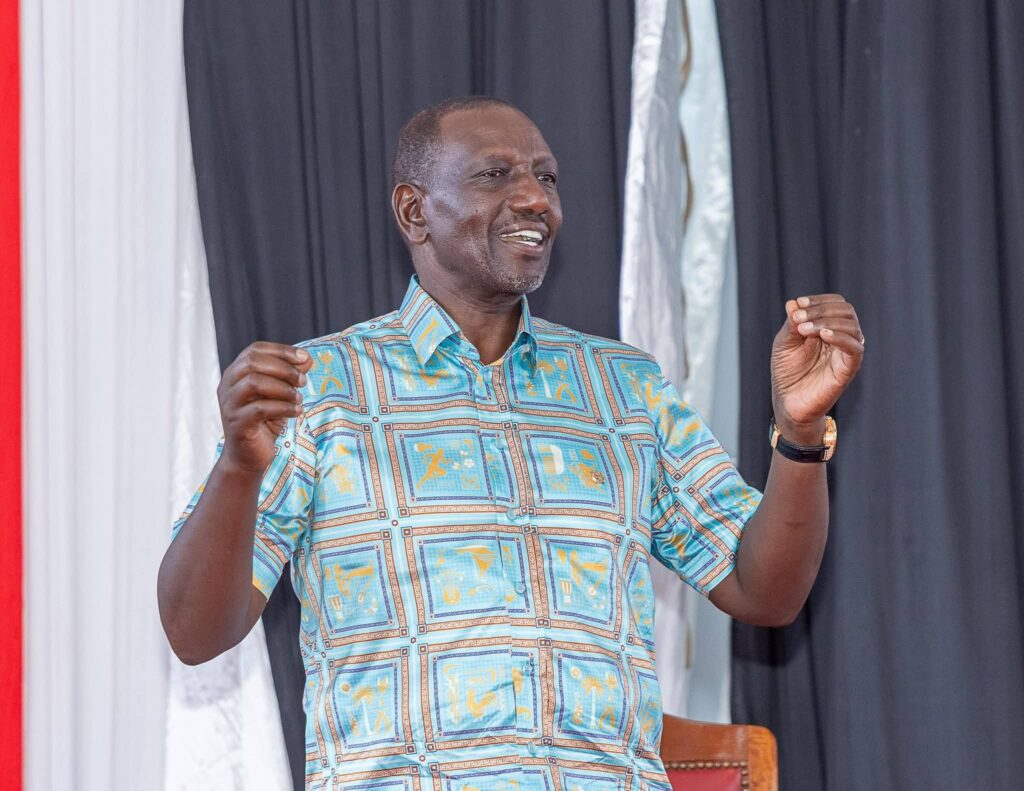
Political observers now argue that the President’s strategy may not necessarily be about winning the region—but reducing Kalonzo’s dominance margin.
To counter any perceived digital inroads, Kalonzo Musyoka’s strategy should not be driven by panic over TikTok numbers, but by structured influence-building that complements his already solid grassroots network.
While local content creators command attention, their reach is often fragmented and lacks political coordination. What Kalonzo needs is a well-organized digital ecosystem—bloggers, political commentators, community pages, and issue-based influencers—capable of shaping narratives consistently across platforms, not just chasing viral moments.
Still, the fundamentals remain unchanged: politics in Ukambani is deeply local, anchored in clan ties, opinion leaders, and long-standing loyalty networks that have repeatedly overridden both state pressure and media waves.
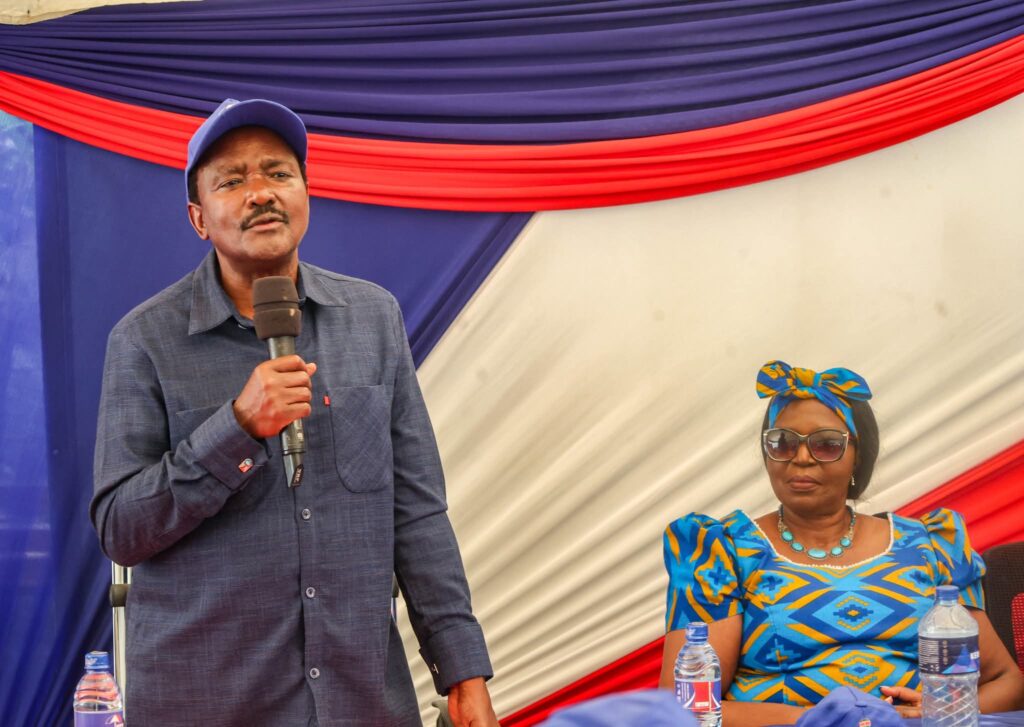
For that reason, Kalonzo’s camp has little cause for alarm; if anything, the focus should be on digitally reinforcing an already dominant ground game, rather than reacting to short-term online trends.
While development promises and digital outreach may help reshape perceptions, history suggests that Ukambani’s voting behavior is deeply entrenched.
And if past elections are anything to go by: Kalonzo Musyoka still holds the decisive key to the Kamba vote. Ruto may be knocking—but breaking through is a different battle altogether.
