


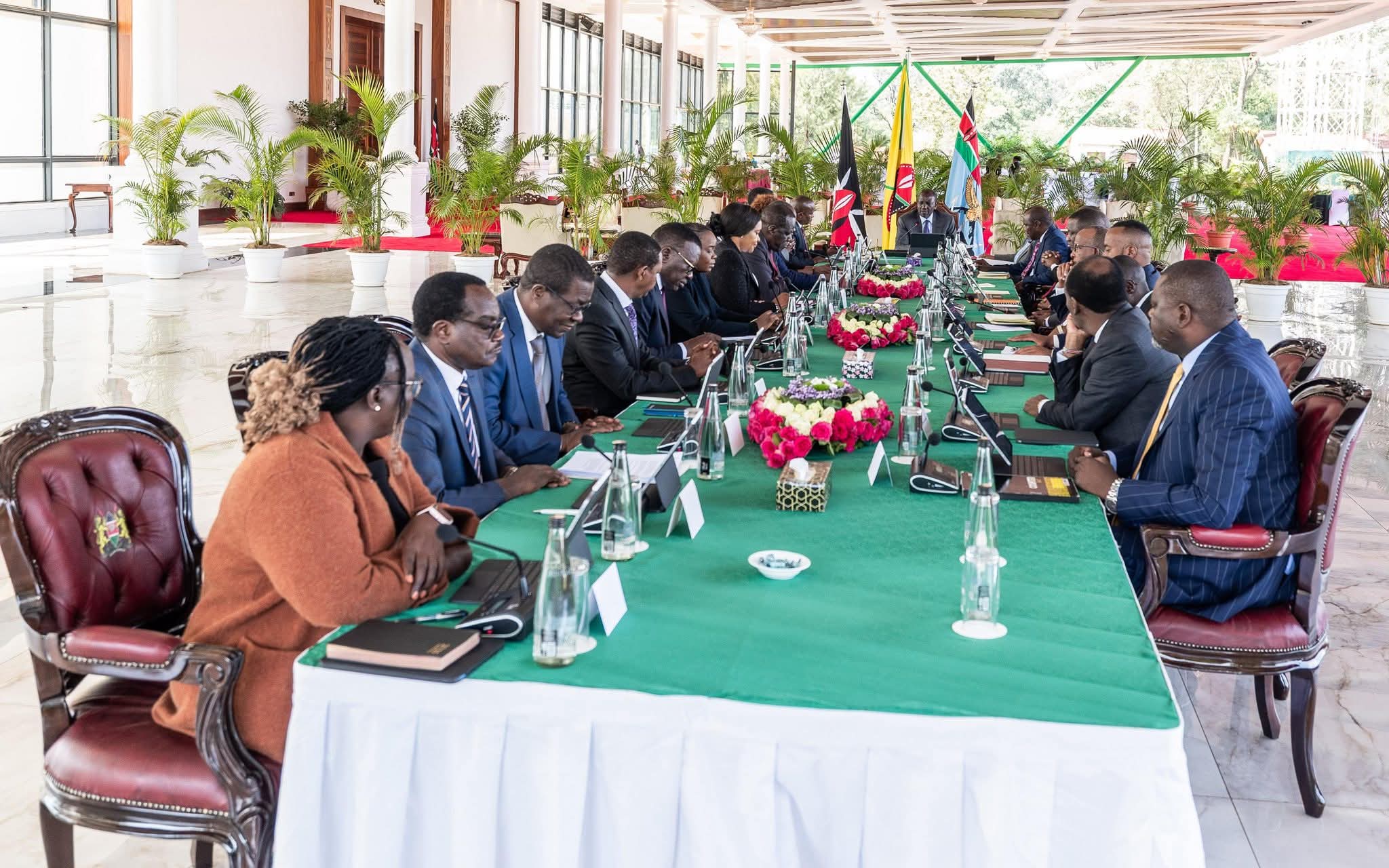
In a decisive move to address Nairobi’s chronic traffic congestion and modernize its aging transport infrastructure, the Cabinet, chaired by President William Ruto at State House Nairobi, has approved two flagship infrastructure projects: the dualling of the Nairobi Northern Bypass and the transformative Railway City Central Station Project.
Stretching 20.2 kilometers from Ruaka in Kiambu County to Ruiru, the Nairobi Northern Bypass is the last remaining single carriageway among the city’s bypass network. It has become notorious for peak-hour traffic jams, costly delays, and heightened pollution. Cabinet approved its conversion into a dual carriageway, a move set to ease congestion, improve road safety, and expand capacity for the growing volume of vehicles. The upgraded bypass will feature eight interchanges, overpasses and underpasses, non-motorised transport lanes such as walkways and cycle tracks, improved drainage systems, and upgrades to adjacent roads. The improved road will boost connectivity between Nairobi and Kiambu counties, enabling faster movement of people and goods between industrial zones and residential estates.
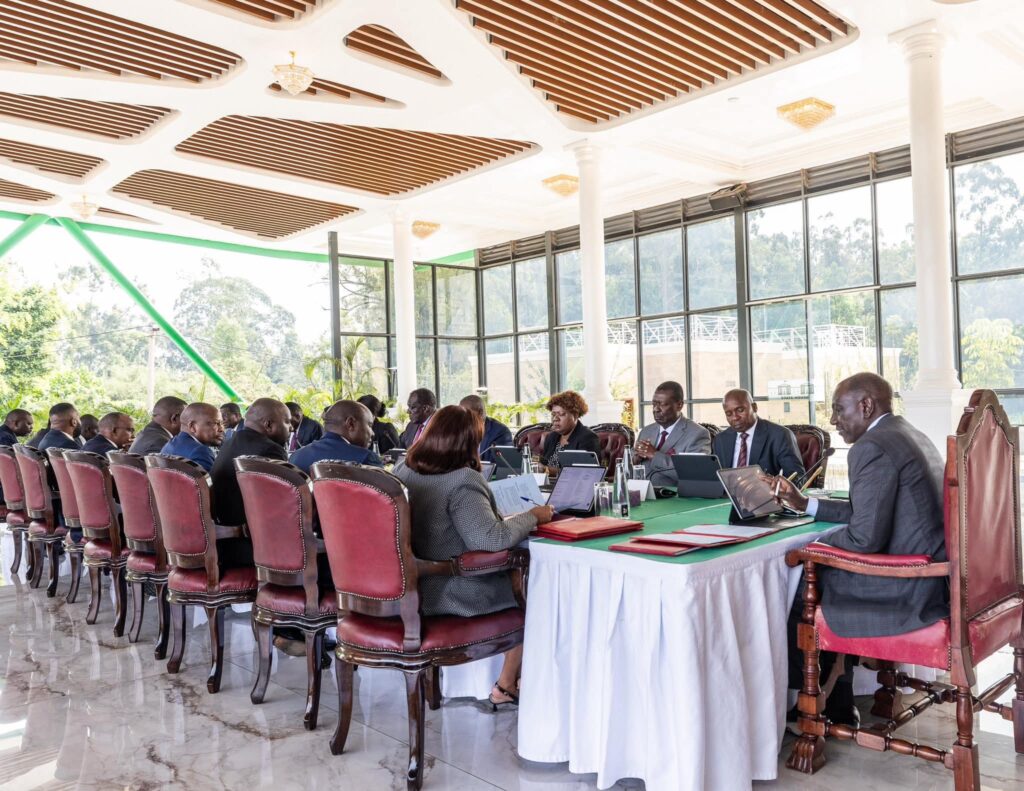
In a second major move, Cabinet gave the nod to the Nairobi Railway City Central Station and Public Realm Project. The ambitious redevelopment plan aims to turn the existing outdated Central Station into a modern, multi-modal transport hub integrated with commuter rail, Bus Rapid Transit (BRT), and the Standard Gauge Railway (SGR). The project will cater to a projected 400,000 passengers daily by 2030, and up to 600,000 by 2045, featuring nine high-capacity platforms, expanded access bridges capable of evacuating 30,000 people per hour, and public realm upgrades to open up underutilised land for economic use. It will also connect seamlessly to BRT Line 3 and other mass transit systems. The Railway City project is central to the government’s broader urban regeneration plan and is expected to spur investment, create jobs, and breathe new life into the city’s Central Business District.
The Cabinet decisions are aligned with the government’s Bottom-Up Economic Transformation Agenda, which emphasizes inclusive development through infrastructure upgrades, efficient public service delivery, and modern urban planning. Beyond the two major projects, the Cabinet also approved other complementary measures, including the Affordable Housing Regulations, 2024, which reduce housing deposit requirements from 10% to 5%, increasing access to home ownership for low- and middle-income earners.
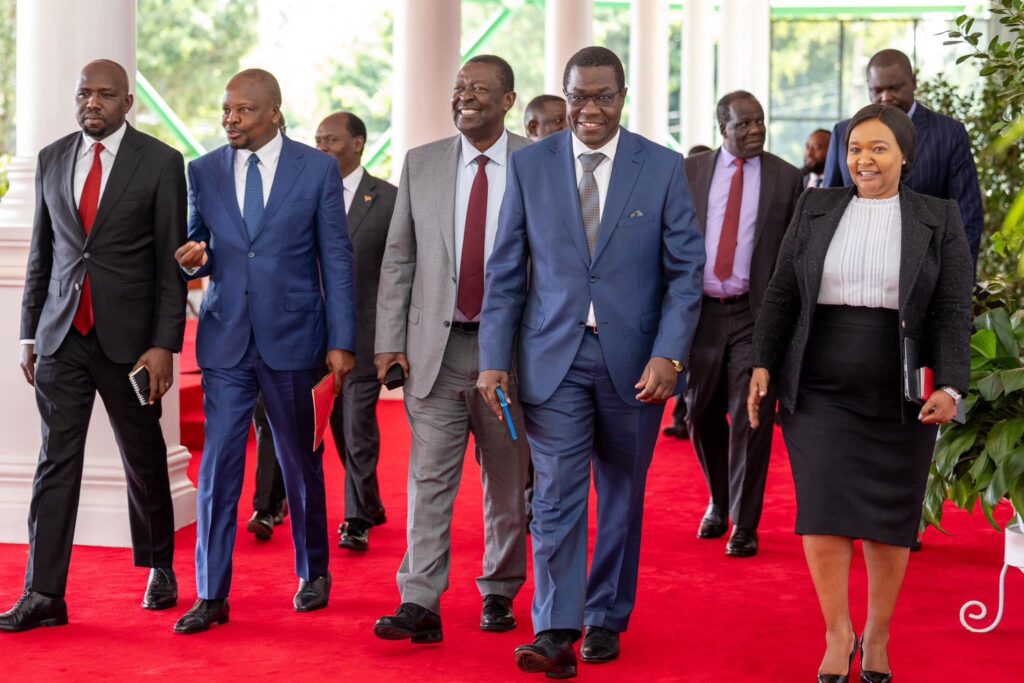
Additionally, the Cabinet endorsed the Government-Owned Enterprises Bill, 2025, which introduces merit-based appointments and governance reforms in State corporations, and the Public Procurement and Asset Disposal (Amendment) Bill, 2025, which mandates e-procurement as the default method and strengthens local supplier participation in government tenders.
In the health and social welfare sector, the Cabinet adopted the National Policy on Alcohol and Drug Use (2025), reinforcing NACADA’s role, restricting alcohol advertising, and enhancing protection for minors and abstainers. In education, the Higher Education STEM Phase II Project was approved, aiming to upgrade university infrastructure, commercialise research, and roll out short, skills-based technical training to boost youth employability.
