



For decades, the political script in Kenya’s Lower Eastern region has been predictable: vote Wiper, follow Kalonzo. But that narrative is now facing its toughest rewrite yet — authored by none other than Dr. Augustus Kyalo Muli and his rapidly rising National Liberal Party (NLP).
From quiet skepticism to full-blown momentum, the NLP is not just gaining ground — it’s taking over strategic turf once considered untouchable by Wiper Democratic Movement. The region’s political tectonic plates are shifting, and Kalonzo Musyoka’s grip may no longer be ironclad.

A Grassroots Resurgence Unfolds
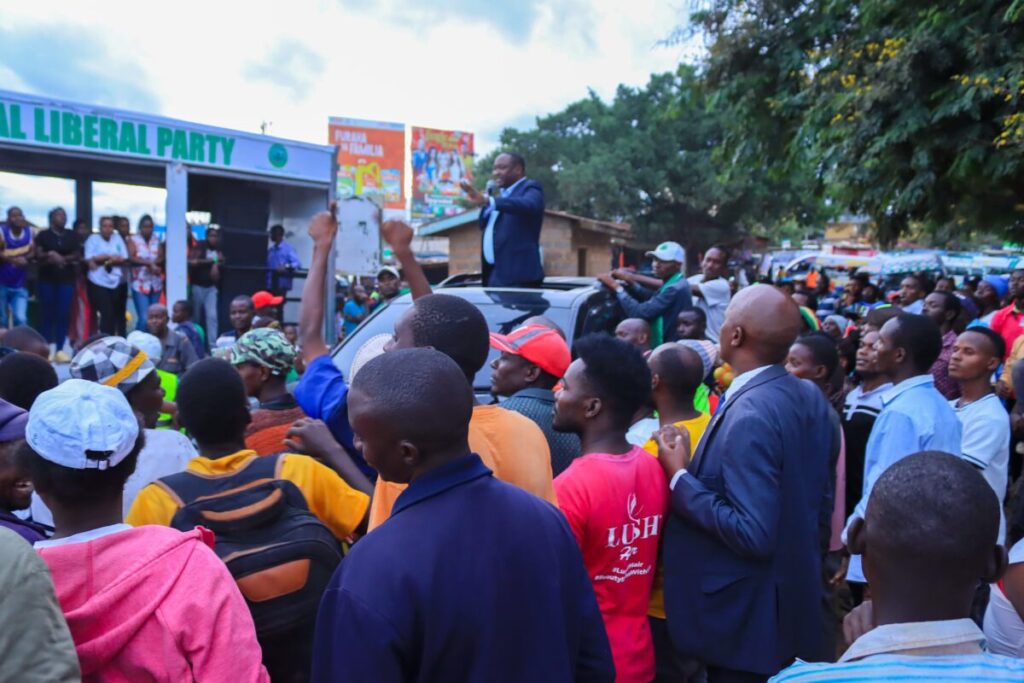
April 2025 was a defining moment. In Kitui Central, a massive NLP caravan snaked through the heart of the town. The turnout? Overwhelming. Crowds surged forward not just to cheer, but to register as official party members. The message was clear: the people want more than promises — they want presence, participation, and progress.
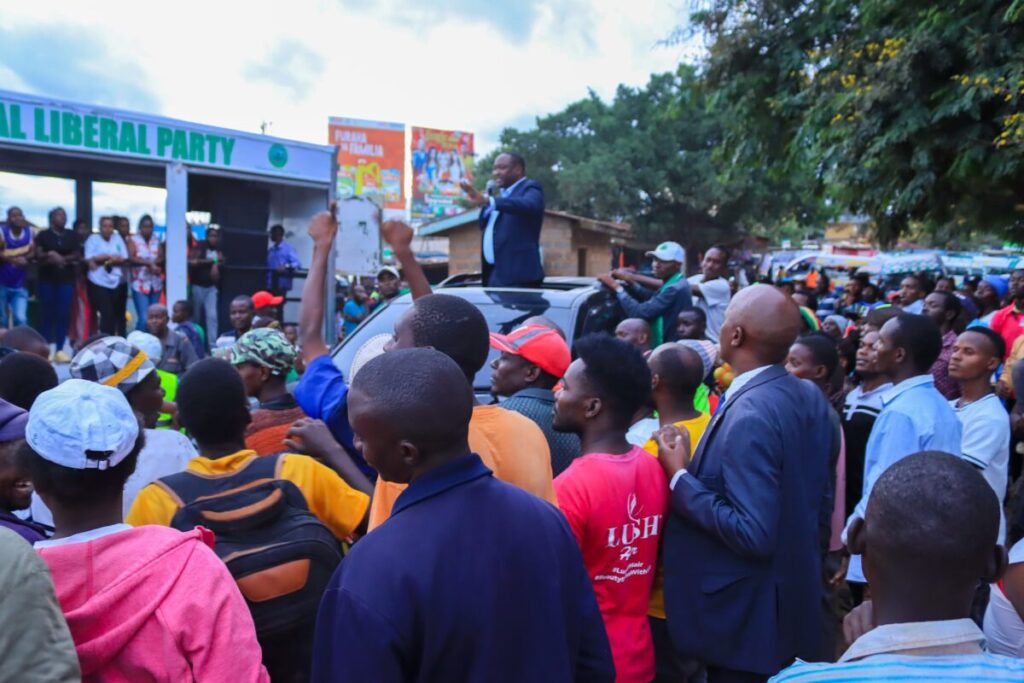
Dr. Muli, flanked by local opinion leaders, delivered fiery speeches that struck a chord with disillusioned voters. Traditional Wiper zones were awash in NLP colors. Local stations like Syokimau FM gave wall-to-wall coverage, amplifying a movement in motion.
Poll Numbers Reflect the Mood
A Channel 15 News digital opinion poll conducted shortly after the rally revealed a political upset in the making. Dr. Muli was leading the race for the 2027 Kitui Central MP seat — ahead of seasoned players including State House Director of Coordination, Boniface Musambi. For many political watchers, this wasn’t just a win for Muli — it was a warning shot to the Wiper establishment.
Strategic Positioning Beyond the Region
What separates NLP from other regional parties is its vision. Dr. Muli has deftly positioned himself as a bridge-builder, not a tribalist. He has stood side by side with both President William Ruto during the New Year national address in Kisii and Raila Odinga in backing his AU Commission Chairmanship bid. These strategic moves signaled a new kind of politics — one that isn’t boxed by regionalism or ethnic blocs.

His party has maintained a non-combative tone, even while making serious inroads into traditional Wiper strongholds. This has helped NLP grow in places where other outfits struggled to avoid backlash.
The NLP Formula: People First, Power Later
Dr. Muli has borrowed heavily from successful grassroots campaigns abroad. His model resembles movements like the U.S.-based Indivisible or India’s Aam Aadmi Party — relying on community organizing, issue-based politics, and empowerment programs.

One standout initiative is the Basketry Weaving Empowerment Programme, targeting economic uplift for women in rural Kitui. Others include bodaboda SACCO meetings, youth forums, and health outreach projects — the kind of politics that speaks to people’s daily struggles, not just campaign-season soundbites.
Why Wiper Should Be Worried
For Kalonzo Musyoka’s Wiper Party, the threat isn’t just numerical — it’s ideological. NLP isn’t running against individuals; it’s running against the inertia of a political system that has taken Ukambani’s loyalty for granted. And they’re doing it with results, not rhetoric.
NLP’s slogan, “New Leadership, Real Progress,” has become more than a mantra. It’s a challenge to the political monopoly that has defined Lower Eastern for two decades.
“We respect those who came before us, but the people must now decide who walks with them — not who walks ahead of them,” Dr. Muli said during a recent rally in Mutomo.
2027 and Beyond: The Battle Lines Are Drawn
As the 2027 General Election inches closer, NLP’s strategy is becoming more visible — build slowly, connect deeply, and expand boldly. With a swelling base, national exposure, and a leader unafraid to speak truth to power, the party is no longer the outsider. It’s the storm at the gates.
Unless Wiper reinvents its grassroots game, it may soon be remembered not as the party that led Ukambani — but the one that lost it.
