


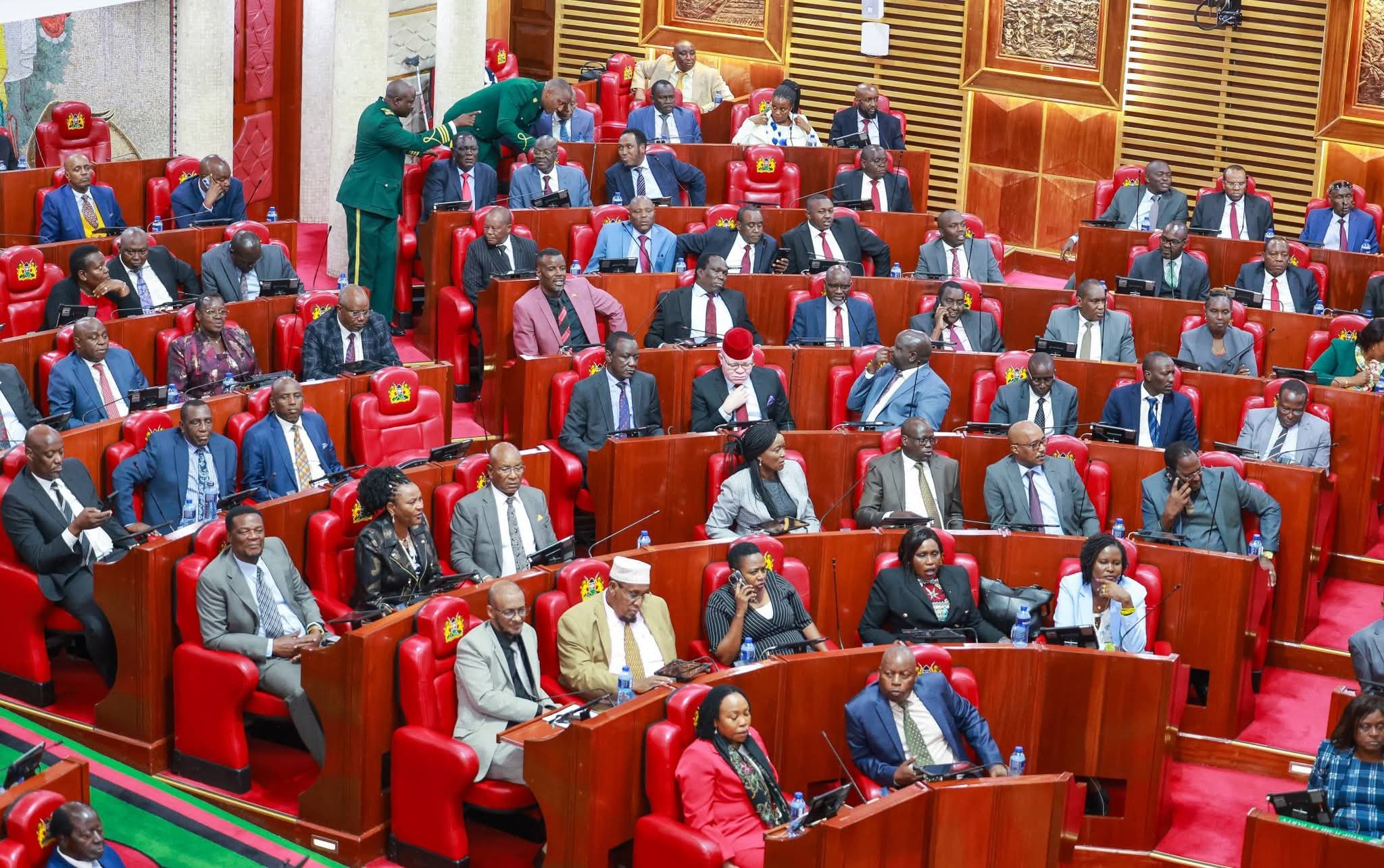
Kenyan motorists, households and businesses are set to continue benefiting from reduced Value Added Tax (VAT) on petroleum products after the National Assembly passed legislation extending the eight per cent rate for a further 90 days, as the Government moves to cushion consumers against rising global oil prices.
The Tax Laws (Amendment) Bill, 2026, sponsored by National Assembly Majority Leader Kimani Ichung’wah, seeks to maintain VAT on petrol, diesel and kerosene at eight per cent instead of allowing it to revert to the standard 16 per cent rate.
The extension comes amid continued geopolitical tensions in the Middle East, which lawmakers say have placed pressure on international oil prices and threatened to push up the cost of transport, food and other essential goods.
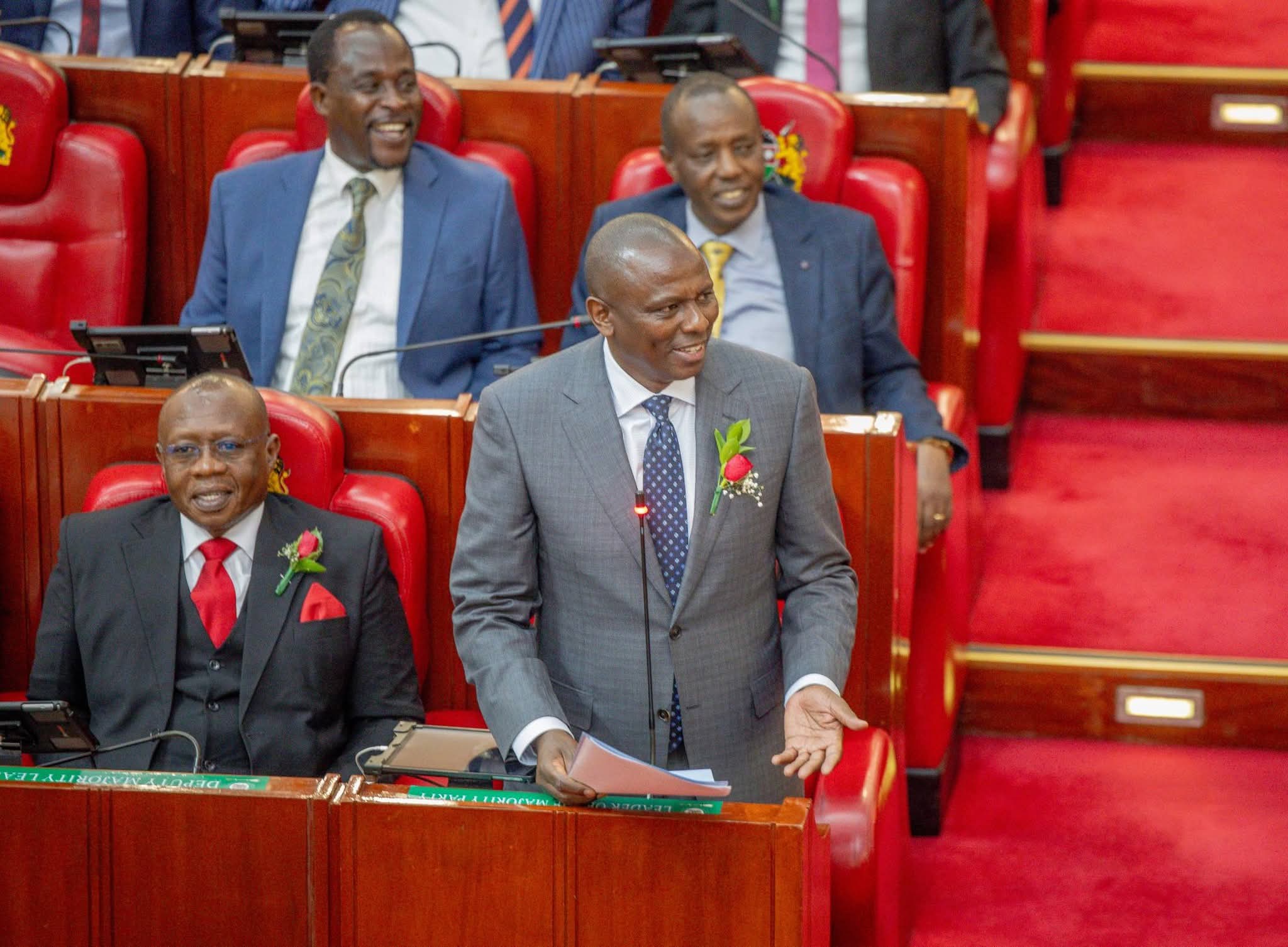
Ichung’wah told the House that the proposed extension would provide another three months of relief, with an option for the Cabinet Secretary for the National Treasury to extend the measure for an additional 90 days if the prevailing circumstances persist.
“We need to amend the VAT Act to extend the reduced rate for another 90 days, in the hope that the war in the Middle East will come to an end,” Ichung’wah said.
He added that the proposed provision would allow the Treasury Cabinet Secretary to extend the relief for a further three months, potentially keeping the reduced VAT rate in place for up to six additional months.
Government Has Foregone KSh54 Billion
The financial cost of cushioning consumers from rising fuel prices featured prominently in the debate, with Kimani Kuria, the Chairperson of the Finance and National Planning Committee, revealing that the Government had foregone approximately KSh54 billion in revenue over the preceding six months through the tax relief measures.
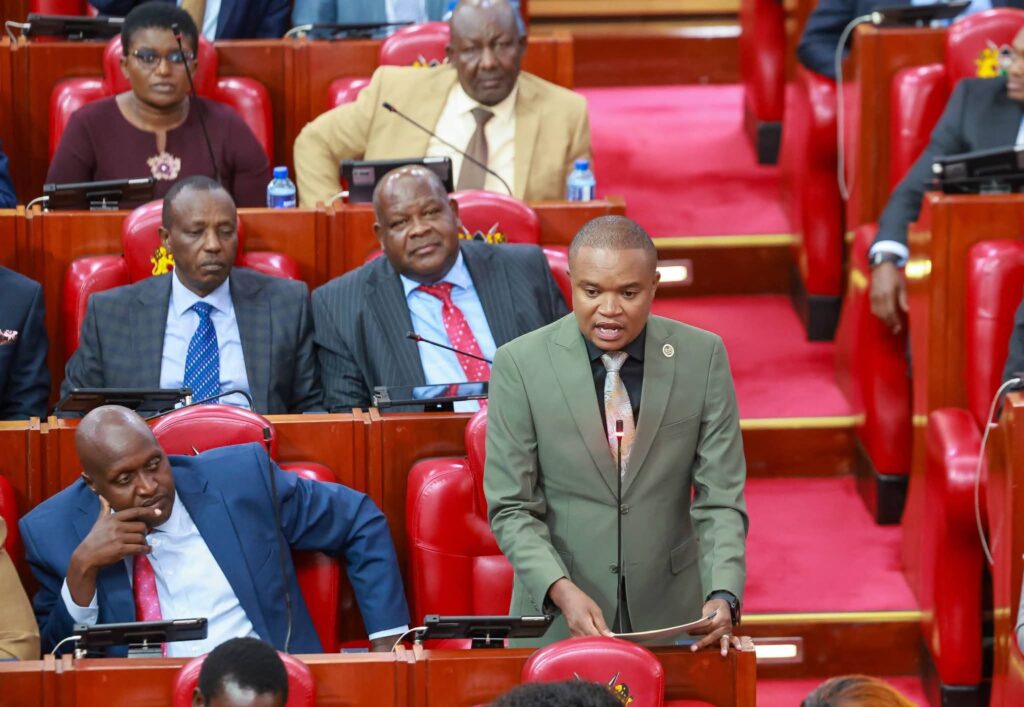
Kuria said maintaining the reduced VAT rate was necessary to limit the impact of international oil market pressures on households and businesses.
He warned that rising fuel prices could trigger a chain reaction across the economy, increasing transport costs, production expenses and the prices of essential commodities.
Mwea MP Mary Maingi supported the extension, arguing that fuel taxation has a direct impact on household budgets.
“When fuel goes up, matatu fares go up, the price of food goes up, everything goes up,” she said.
Her remarks reflected the wider economic concern that an increase in petroleum prices can feed into the cost of moving agricultural produce, manufacturing goods and delivering services across the country.
MPs Push for Lower Fuel Import Costs
While backing the Bill, Suba South MP Caroli Omondi urged the Government to pursue measures that would further reduce the cost of importing petroleum products.
Omondi called for improvements to the government-to-government fuel procurement framework, arguing that eliminating unnecessary intermediaries could help reduce importation costs and ease pressure on consumers.
Ichung’wah also pointed to domestic oil exploration in Lokichar, Turkana County, and a proposed refinery in Lamu as potential long-term measures to reduce Kenya’s exposure to international oil market shocks.
However, the immediate tax intervention remains a temporary measure, with its impact on pump prices depending on the applicable tax arrangements and prevailing international and domestic fuel costs.
Ceramic Tiles Tax Also Targeted
Beyond petroleum taxation, the Bill proposes changes to the way excise duty is calculated on ceramic tiles and related products, including bathroom ware.
Under the existing framework cited by Ichung’wah, ceramic tiles attract excise duty calculated at five per cent of the excisable value or KSh50 per kilogramme.
The Majority Leader argued that taxing tiles according to weight can create a disproportionate burden, particularly on importers handling large consignments.
He cited a shipment weighing approximately 25,000 kilogrammes that could attract excise duty of about KSh1.25 million under the existing calculation.
The proposed amendment would shift the basis of taxation from weight to surface area, measured in square metres.
According to Ichung’wah, the change could reduce the duty on a typical consignment from between KSh1.2 million and KSh1.5 million to approximately KSh420,000 to KSh600,000, potentially lowering the cost burden associated with ceramic tiles.
Kwenya Thuku welcomed the proposal, saying the objective was not to disadvantage local manufacturers but to prevent excessive taxation from contributing to higher construction costs.
The proposed changes are also being linked to the Government’s affordable housing agenda, with lawmakers arguing that reducing tax-related costs on construction materials could support the wider building sector.
What the Changes Mean for Kenyans
The extension of the reduced VAT rate is intended to prevent an immediate return to the standard 16 per cent rate on petroleum products when the previous relief period expires.
For households, businesses and public transport operators, the measure is aimed at limiting additional pressure on operating costs and the prices of essential goods.
However, the eight per cent VAT rate does not guarantee that pump prices will fall. International crude oil prices, exchange-rate movements, shipping costs and other components of Kenya’s fuel pricing structure can continue to influence the prices consumers pay.
The proposed relief therefore offers temporary tax protection rather than a permanent solution to Kenya’s exposure to global petroleum market fluctuations.
Channel 15 News – The Full Story First On www.channel15news.co.ke
