


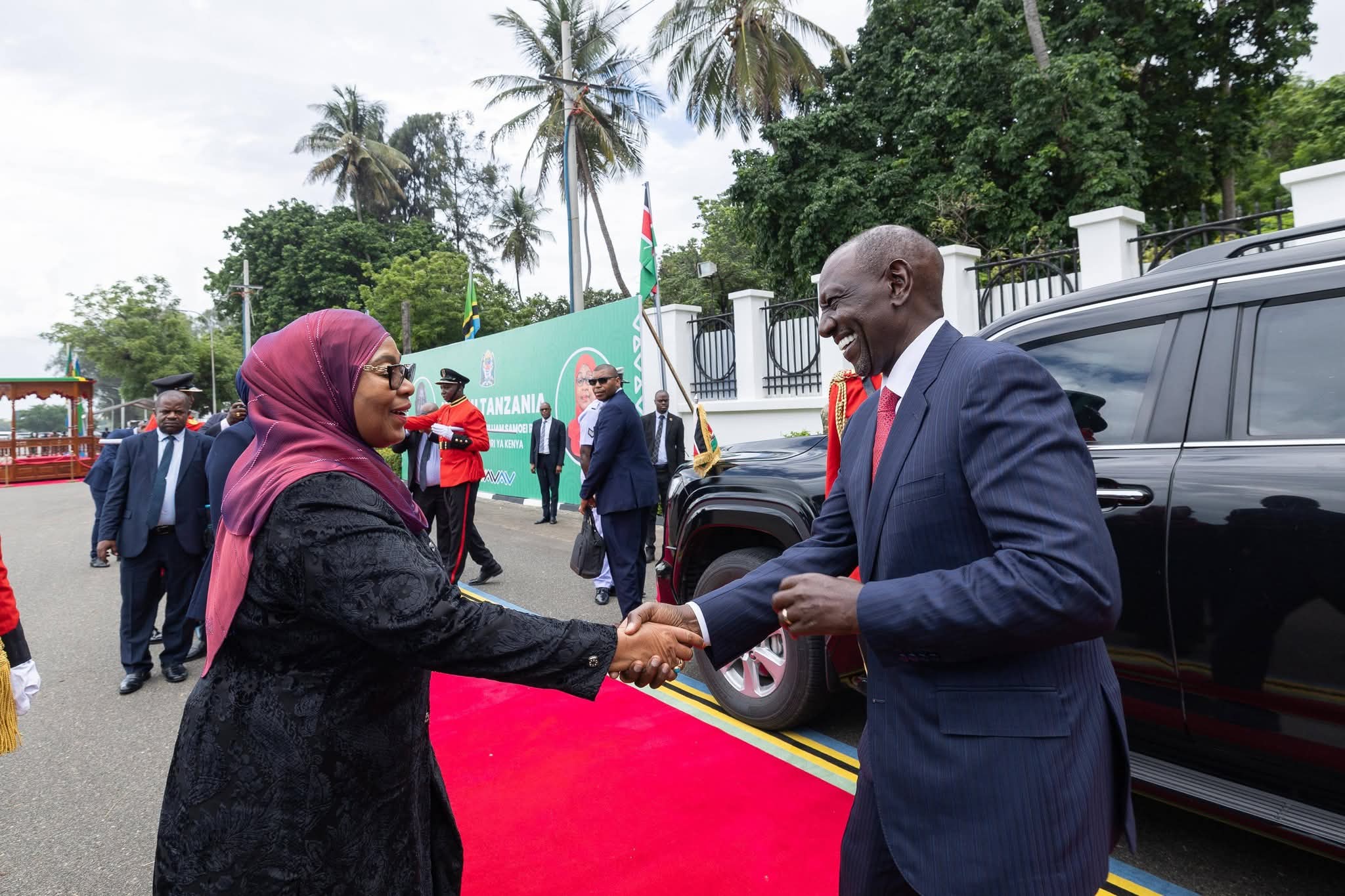
A fresh wave of political debate is sweeping across East Africa following remarks by Samia Suluhu Hassan on youth activism, even as Kenya and Tanzania reaffirmed their longstanding diplomatic and economic partnership.
Speaking during high-level engagements with William Ruto, President Samia disclosed that the two leaders held discussions on what she termed as “ill-mannered Gen Z” — a reference to a growing wave of politically active youth across the region increasingly asserting their voice on governance, accountability, and civic freedoms.
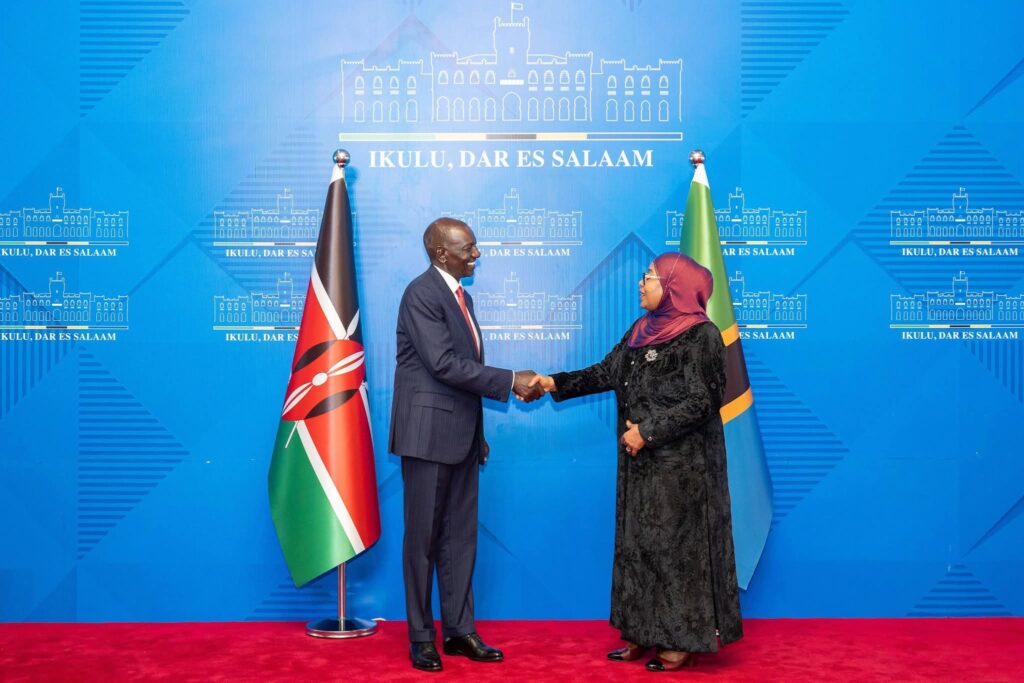
The remarks have triggered backlash and intense public discourse, particularly among young people who view their activism as a legitimate push for democratic expression rather than misconduct.
President Ruto, who arrived in Tanzania on Monday for a two-day State Visit, maintained a diplomatic tone, emphasizing the strength and strategic importance of Kenya–Tanzania relations.
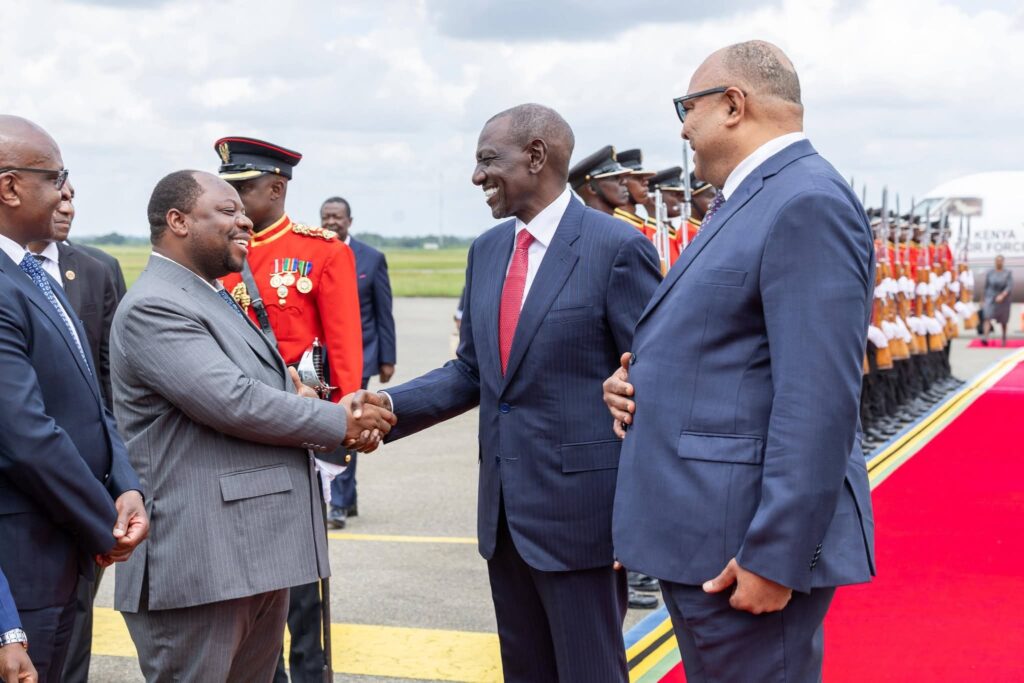
“The enduring cordial relations between Kenya and the United Republic of Tanzania continue to flourish, anchored on shared interests, vibrant trade and commitment to deliver prosperity for our respective nations,” Ruto said.
He noted that the two countries maintain a “robust bilateral relationship” driven by a solid economic partnership, adding that both governments are actively exploring new opportunities to further strengthen their economies.
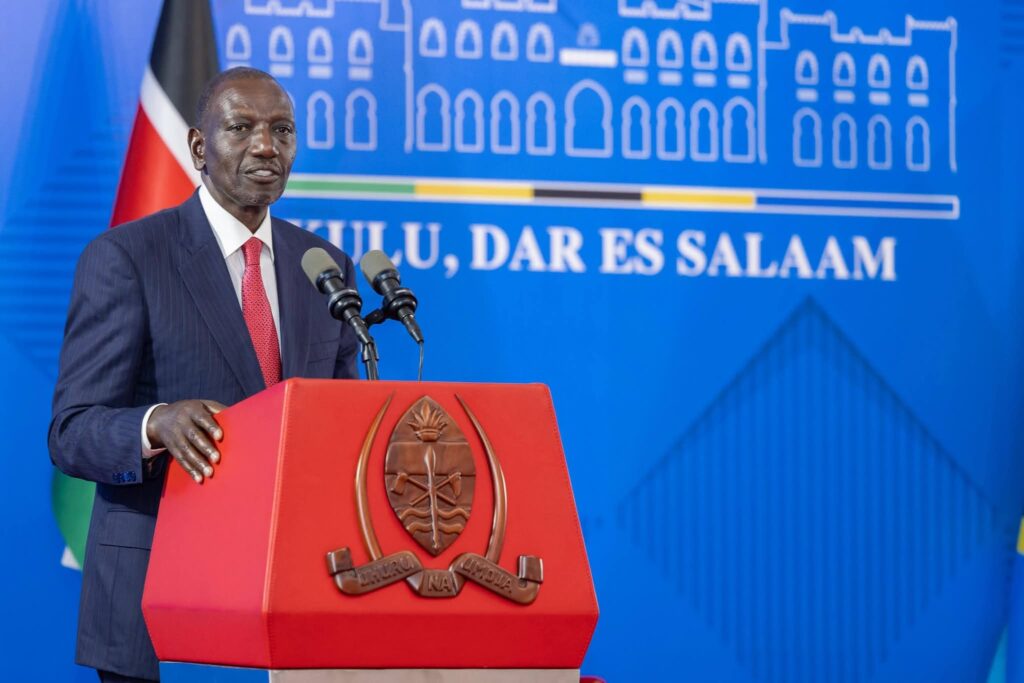
“Our unbreakable bond continues to deliver substantial benefits to our people. We remain committed to safeguarding and expanding these gains,” he added.During the State Visit at State House in Dar es Salaam, the two Heads of State witnessed the signing of eight agreements aimed at deepening cooperation.
The deals span key sectors including infrastructure development, trade facilitation, regional logistics, public service, security, and energy — areas seen as critical to unlocking regional growth.
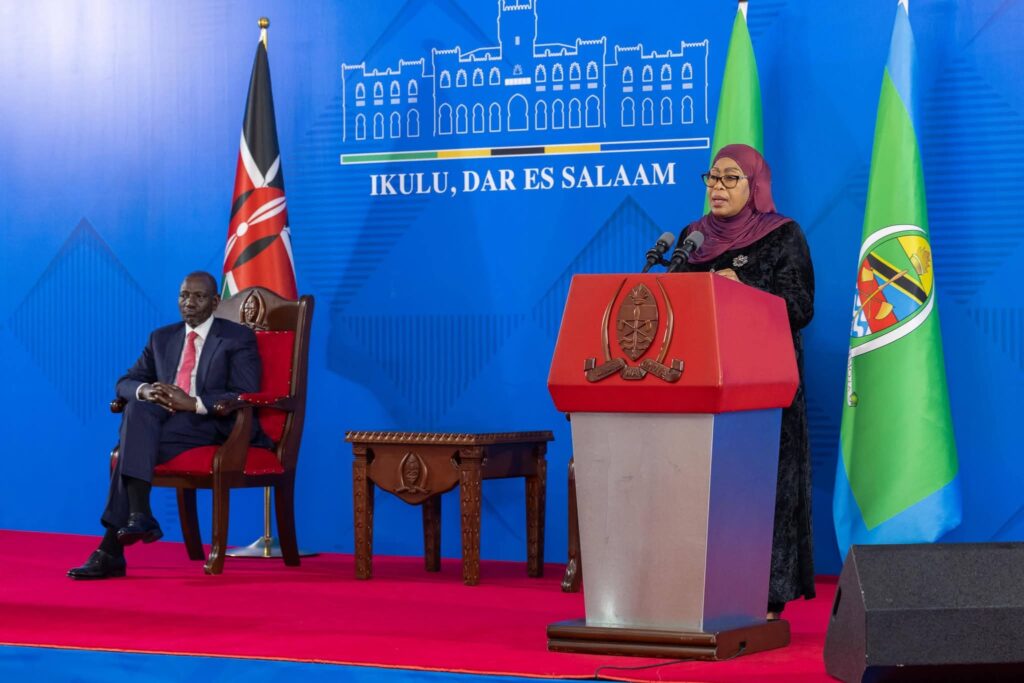
However, it is the leaders’ reported discussions on youth activism that have overshadowed the visit, drawing scrutiny from civil society and political observers across the region.
Analysts warn that branding Gen Z as “ill-mannered” risks widening the gap between governments and a generation that is increasingly positioning itself as a watchdog on governance, empowered by digital platforms and civic awareness.
The unfolding debate places both administrations at a delicate crossroads — balancing the need to maintain order while responding to rising demands for accountability, inclusion, and democratic space.
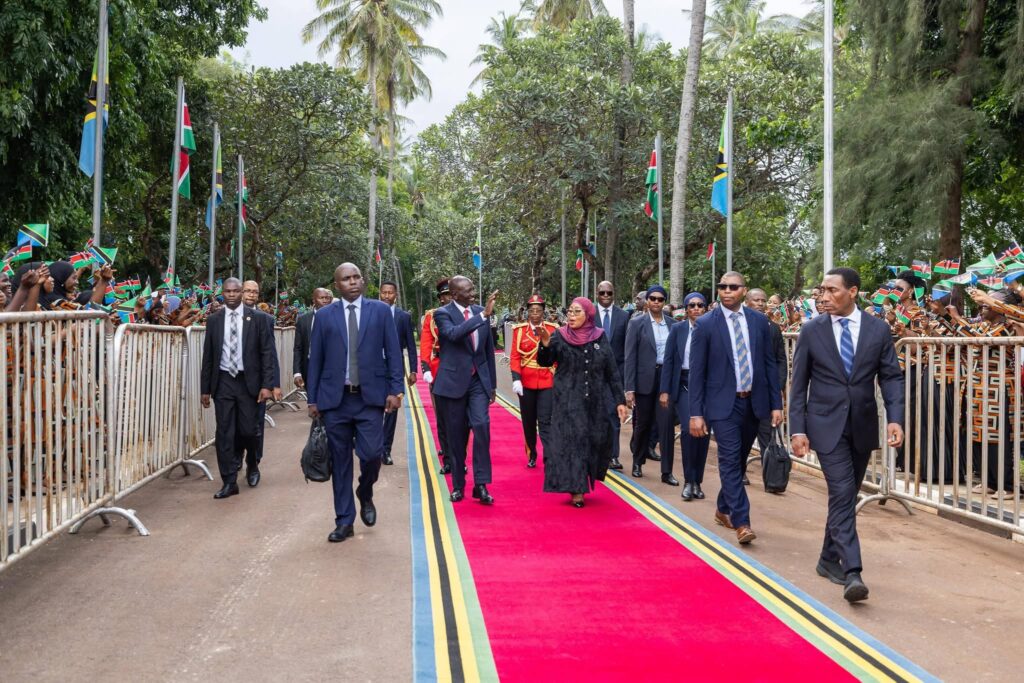
As East Africa navigates a shifting political landscape, the tension between state authority and youth-driven activism is fast becoming a defining issue in shaping the region’s future governance and public discourse.
