


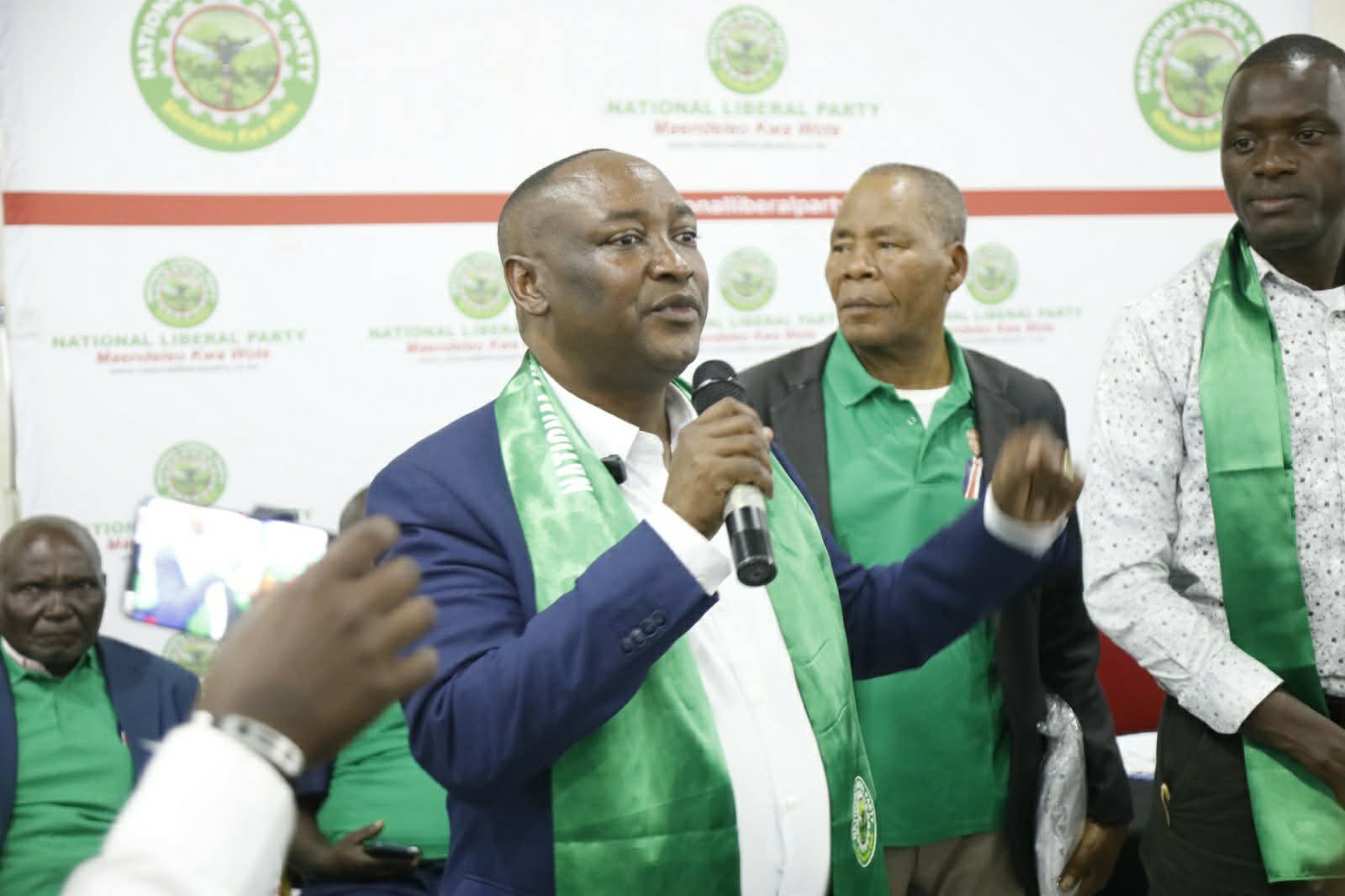
As political temperatures begin rising ahead of the next electoral cycle, early signs suggest nomination disputes within major political formations could significantly reshape local political contests — and potentially work to the advantage of emerging players like Dr. Augustus Kyalo Muli.
Political analysts argue that expected wrangles within the broad UDA-ODM political arrangement, coupled with likely fallout in opposition parties after nominations, could create a fertile political environment for alternative candidates and smaller formations to make gains, particularly in county assembly and parliamentary races.
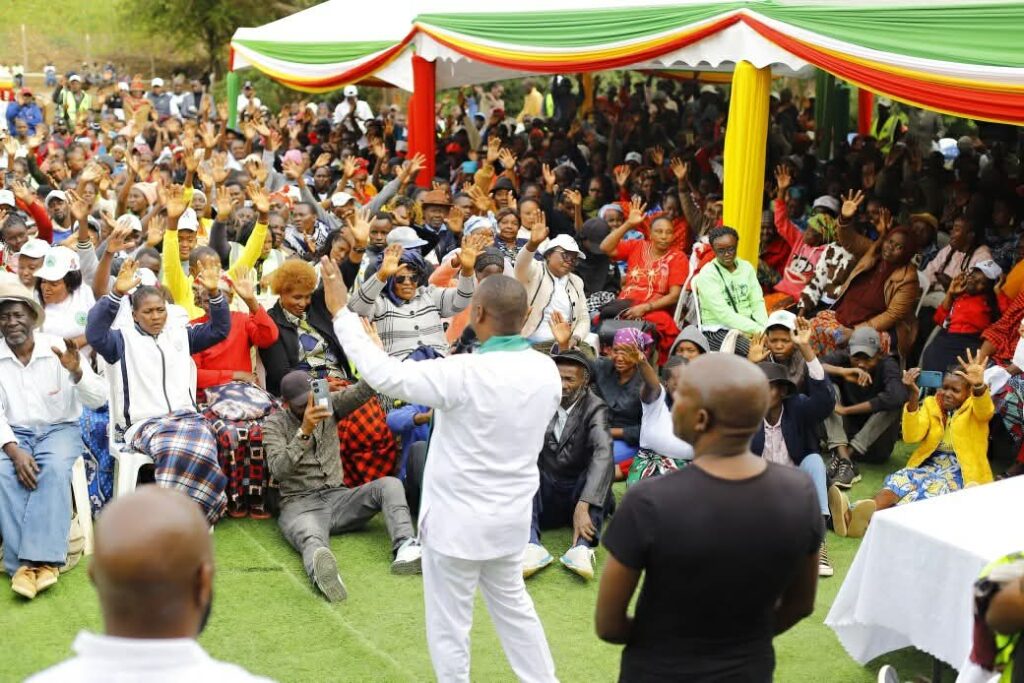
Dr. Muli, who has steadily positioned himself as a strategic political organizer with growing grassroots networks, may be among those poised to benefit most from such turbulence.
Fallout from Nominations Could Split Major Voting Blocs
Historically, party nominations in Kenya have often triggered defections, voter apathy, rebellion candidates, and independent bids — outcomes that frequently weaken dominant parties in the general election.
Should tensions emerge within the UDA-ODM cooperation framework, particularly over ticket distribution, power-sharing arrangements, and local political interests, disgruntled aspirants and their supporters may seek alternative political homes.
That scenario could provide an opening for Dr. Muli and aligned candidates to attract protest votes, negotiate alliances, and consolidate support among voters frustrated by what may be perceived as imposed candidates.
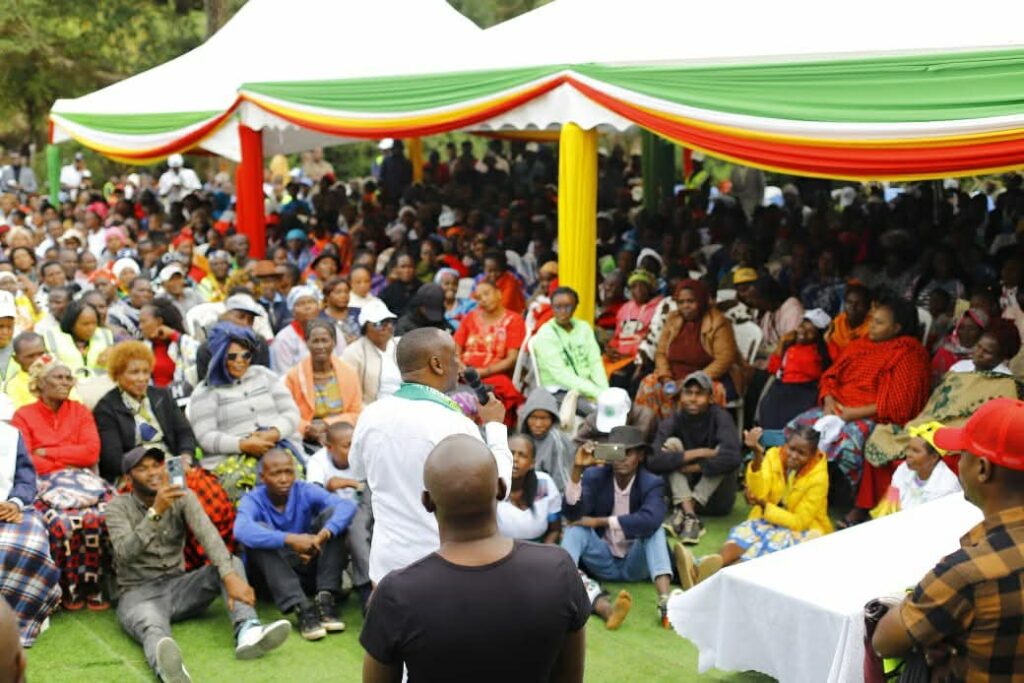
Political observers note that where major parties are internally divided, well-organized outsiders often thrive.
Smaller Formations Could Gain County Assembly Seats
Analysts suggest county assembly contests are especially vulnerable to nomination fallouts because MCA races are often driven more by local loyalty, clan dynamics, and personal networks than party waves.
If dissatisfied aspirants bolt from major parties, Dr. Muli-backed candidates could benefit by fielding credible grassroots contenders under alternative political platforms.
This could potentially translate into gains in ward seats, gradually building influence through county assemblies where political power often begins.
A stronger MCA base would also enhance bargaining power ahead of future coalition-building.
Parliamentary Races May Also Open Up
The same dynamics could extend to parliamentary contests. In constituencies where nomination disputes produce multiple strong candidates from one political bloc, vote splitting could create room for organized challengers to sneak through.
Dr. Muli’s potential strength, analysts say, lies in positioning himself not merely as an individual candidate, but as the anchor of a broader political network capable of sponsoring and supporting parliamentary hopefuls aligned to his agenda.
Should major parties enter elections bruised by internal fights, such a network could become competitive in several constituencies.
Beyond UDA-ODM tensions, possible wrangles within opposition ranks may further widen political openings. If opposition parties struggle to manage nominations transparently, aggrieved leaders could trigger local rebellions that weaken established voting patterns.
In such a fragmented environment, disciplined alternative formations often gain disproportionate influence.
For Dr. Muli, that could mean attracting leaders denied tickets, mobilizing protest voters, and expanding a coalition that cuts across traditional party loyalties.
Benefiting from “Third Force” Fatigue
There is also growing voter fatigue with entrenched political formations, particularly where citizens feel recurring party disputes have undermined accountability and development.
Dr. Muli could potentially tap into this mood by projecting stability, inclusivity, and issue-based politics while presenting himself as an alternative to political wrangles. That narrative may resonate strongly among younger voters, professionals, and grassroots organizers seeking fresh options.
Still, analysts caution that nomination fallout alone does not automatically translate into electoral victories.
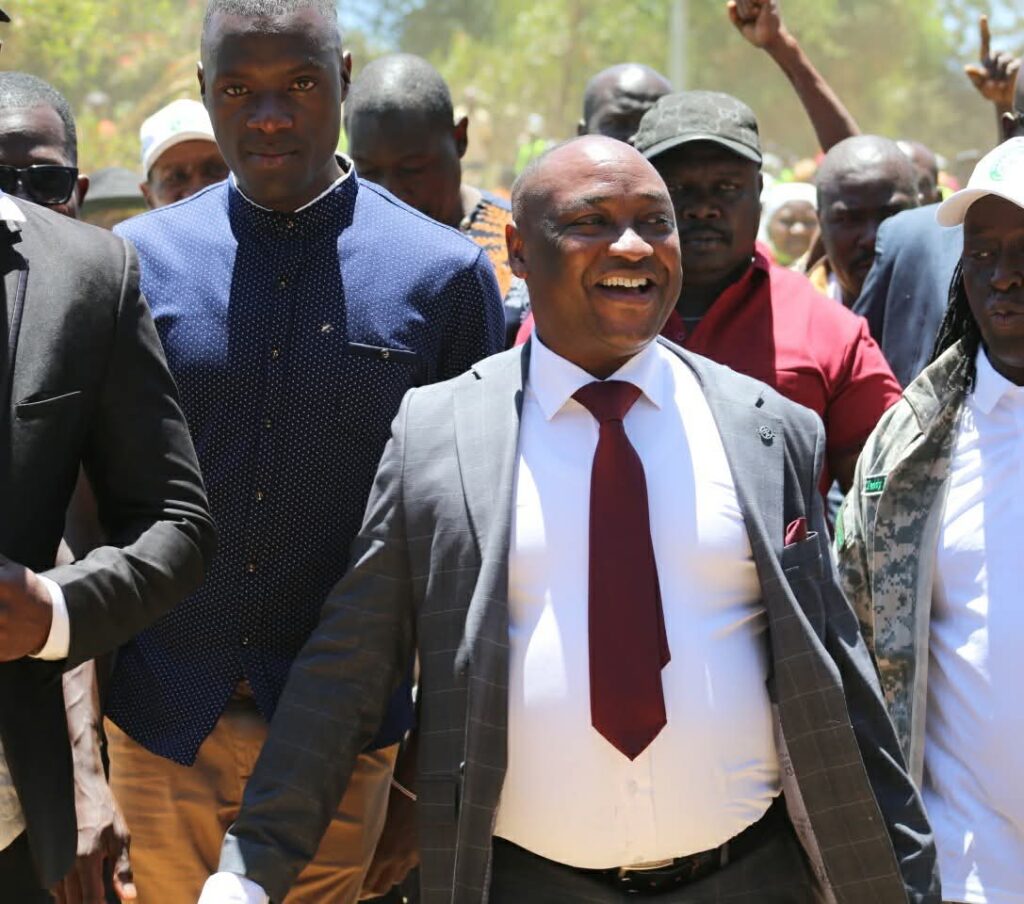
To convert political dissatisfaction into seats, Dr. Muli would need strong ward-level structures, candidate recruitment, coalition management, and sustained grassroots mobilization.
But if current trends hold and major parties stumble through divisive nominations, the turbulence could become a strategic opening.
And in politics, openings often create unexpected winners.
For Dr. Augustus Kyalo Muli, the real opportunity may not lie in fighting dominant parties head-on — but in capitalizing on the cracks they leave behind.
