


New Vatican Decree aims to clean up abuses around Mass offerings and restore the spiritual integrity of the Eucharist
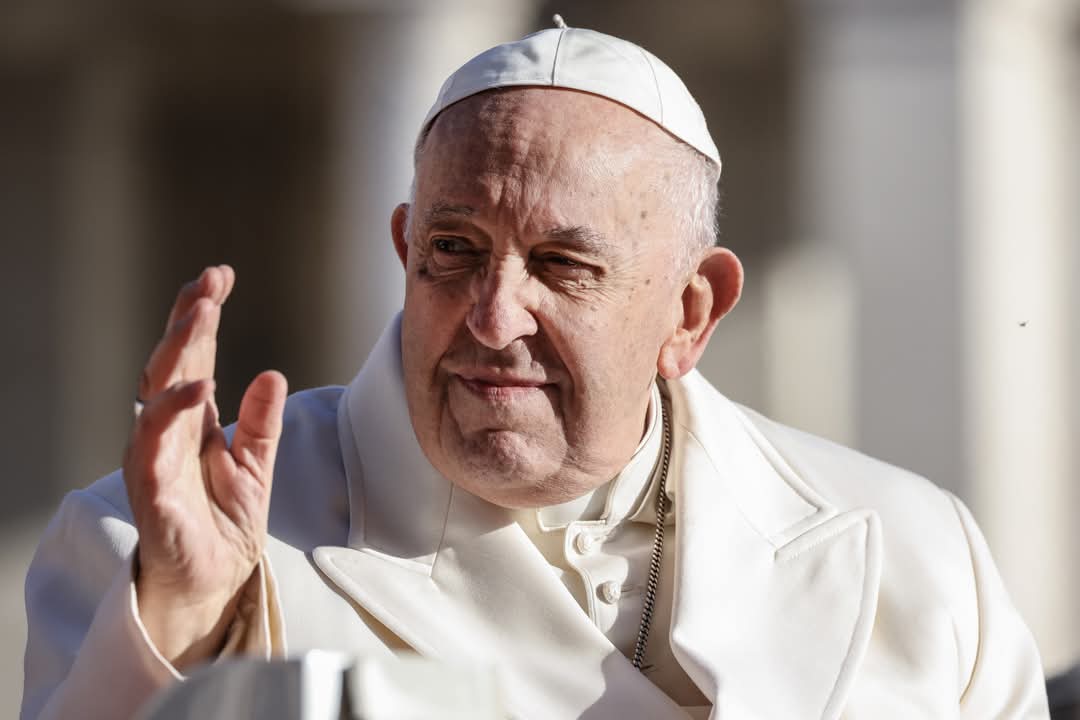
In a move that’s set to disrupt long-standing but increasingly controversial practices within the Catholic Church, Pope Francis has approved a hard-hitting decree aimed at eradicating critics have dubbed the “pay-to-pray” culture—a growing perception that Masses are being bought and sold rather than celebrated in true spiritual reverence.
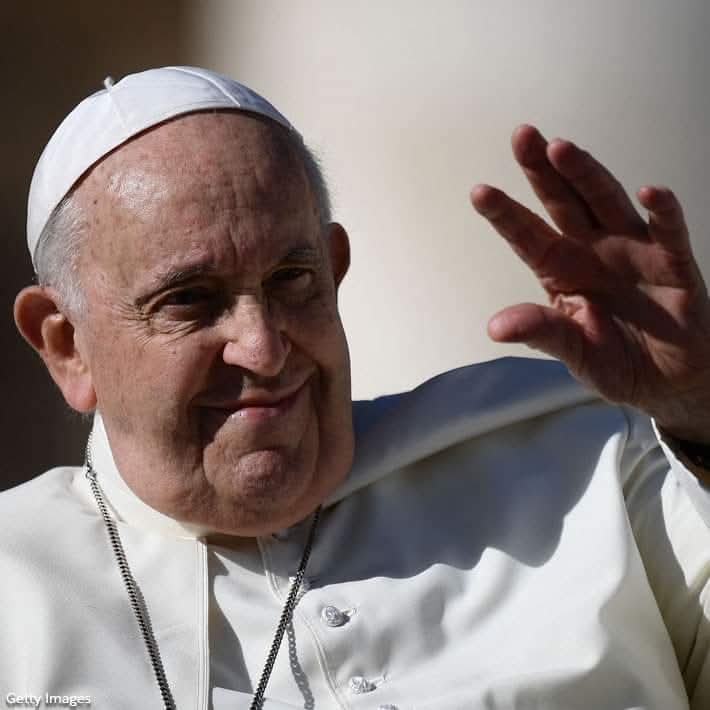
Signed on Palm Sunday, April 13, 2025, and set to take effect on Easter Sunday, April 20, the decree from the Dicastery for the Clergy outlines strict new norms governing Mass intentions and the financial offerings tied to them.
Cracking Down on Holy Exploitation
For years, questions have swirled about the way some priests and parishes handle Mass stipends—voluntary offerings made by the faithful to have Masses said for their intentions, be it for the sick, the dead, or personal needs. But what was meant to be a spiritual exchange has, in some places, morphed into a subtle form of religious commerce.
The new decree makes it crystal clear: Mass intentions cannot be treated as transactions. Promised Masses must be fully celebrated, not reduced to token mentions during liturgies—a practice the Vatican now brands “gravely illicit.” In no uncertain terms, the decree condemns any attempt to substitute, shorten, or sidestep the spiritual commitment behind every offering.
Collective Intentions Face Tight Scrutiny
A popular practice in many churches—collective Mass intentions, where multiple people’s offerings are bundled into one Mass—is still permitted but now heavily restricted. From now on, donors must be explicitly informed and must give full consent. Even then, the frequency of such collective Masses will be closely monitored to protect the individual spiritual weight of each intention.
The Vatican’s goal? To restore the sacred bond between the offering and the celebration—and to prevent any form of spiritual crowding that turns prayer into a commodity.
Bishops Ordered to Enforce and Educate
In an unusual show of internal enforcement, the decree mandates bishops across the world to take up a more active role. They must educate the faithful, maintain accurate records, and vigilantly monitor how Mass intentions and offerings are handled in every parish under their jurisdiction.
The move also reflects the Vatican’s growing emphasis on transparency and accountability within the Church—especially in areas where financial dealings intersect with spiritual obligations.
A Call to Compassion, Not Commerce
At its heart, the decree isn’t just about regulation—it’s a call to revive the Church’s pastoral soul. Priests are encouraged to offer free Masses for the poor, and dioceses are allowed to redirect surplus intentions to underserved regions and mission territories.
Pope Francis’ message is unmistakable: the Eucharist is a sacred encounter—not a service to be purchased. By cutting out commercialism and reinforcing authentic devotion, the Church hopes to rebuild trust with the faithful and return the focus of the Mass to where it belongs—on Christ, not the cash.
With this decree, the Vatican is drawing a clear line in the sand: no more selling salvation, no more monetizing the Mass. It’s a bold move, one that many hope will usher in a renewed era of spiritual sincerity and integrity at the altar.
