



Kenya’s Ebola outbreak has taken a fresh turn after health authorities confirmed a third case of Bundibugyo virus disease, involving a 65-year-old woman who had been in quarantine since October 6.
The latest infection, announced on Friday, October 16, raises the country’s confirmed case count to three and intensifies pressure on health officials working to prevent further transmission. The woman was identified as a primary contact and close relative of the first and second patients according to the Ministry of Health.
The development underscores the importance of quarantine, surveillance and rapid testing as Kenya continues responding to infections linked to an imported case from the Democratic Republic of Congo (DRC).
Third case raises fresh concerns
The 65-year-old woman had been under quarantine since October 6, placing her among the contacts being monitored by health authorities following the initial infection.
Her confirmation brings the number of reported cases in Kenya to three. The first patient, a Kenyan national who had been living in the DRC, died on October 5 after testing positive for Bundibugyo Ebola virus disease.
The second case involved a 39-year-old man, a close family member of the first patient, who developed symptoms while in quarantine. His infection was confirmed by the National Virology Reference Laboratory and the Kenya Medical Research Institute (KEMRI)-CDC laboratory.
The latest case highlights the continuing challenge facing health teams as they monitor exposed individuals and work to identify infections before they can spread further.
Health authorities intensify surveillance
Kenya’s Ministry of Health has been coordinating contact tracing, isolation, laboratory testing and daily monitoring of people who may have been exposed to the virus.
In its update on the second case, the ministry reported that 128 contacts linked to the first patient had been identified, with 113 traced as of October 13. Of those traced, 108 were in quarantine in Kenya, while five were outside the country and being followed up through the relevant authorities.
Health teams were also assessing people who may have interacted with the second patient after symptoms developed, including quarantine personnel and healthcare workers.
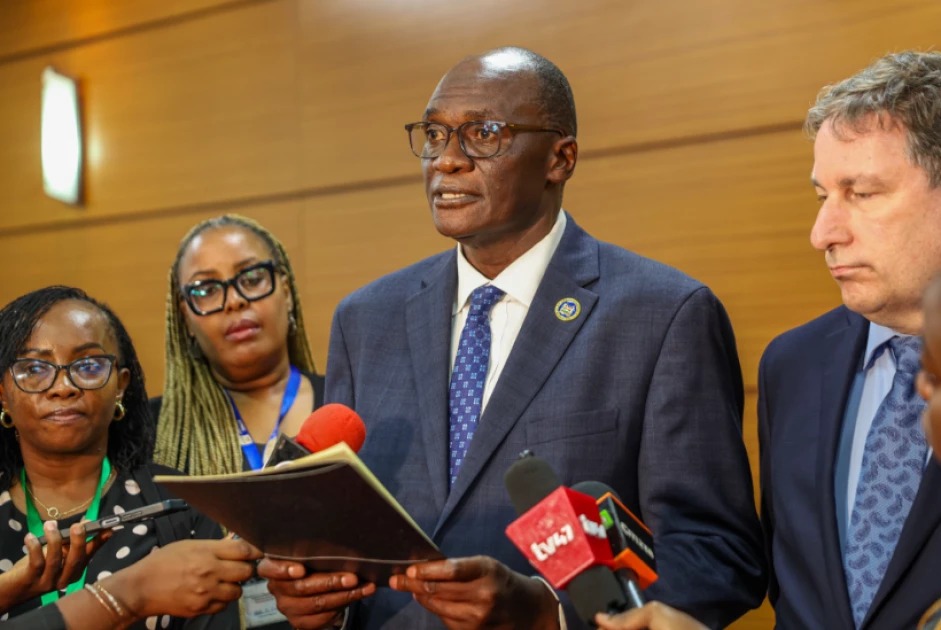
The confirmation of a third case is likely to place additional focus on the completeness of contact tracing and the effectiveness of the containment measures.
What Kenyans need to know
Bundibugyo Ebola virus disease is a serious infection that can cause fever, unusual fatigue, muscle and joint pain, vomiting, diarrhoea and, in some cases, unexplained bleeding.
The virus spreads primarily through direct contact with the blood or other body fluids of an infected person who is symptomatic, or with contaminated materials. It is not spread through the air like influenza.
Members of the public are urged to remain vigilant, avoid contact with suspected cases and seek medical attention promptly if they develop concerning symptoms, particularly after a possible exposure.
The Ministry of Health has advised Kenyans to rely on official updates and has provided the toll-free health information line 719 for public guidance.
As Kenya confronts its third confirmed case, the focus remains on early detection, strict infection prevention measures and tracing every possible contact to prevent further infections.
Channel 15 News – The Full Story First On www.channel15news.co.ke
