



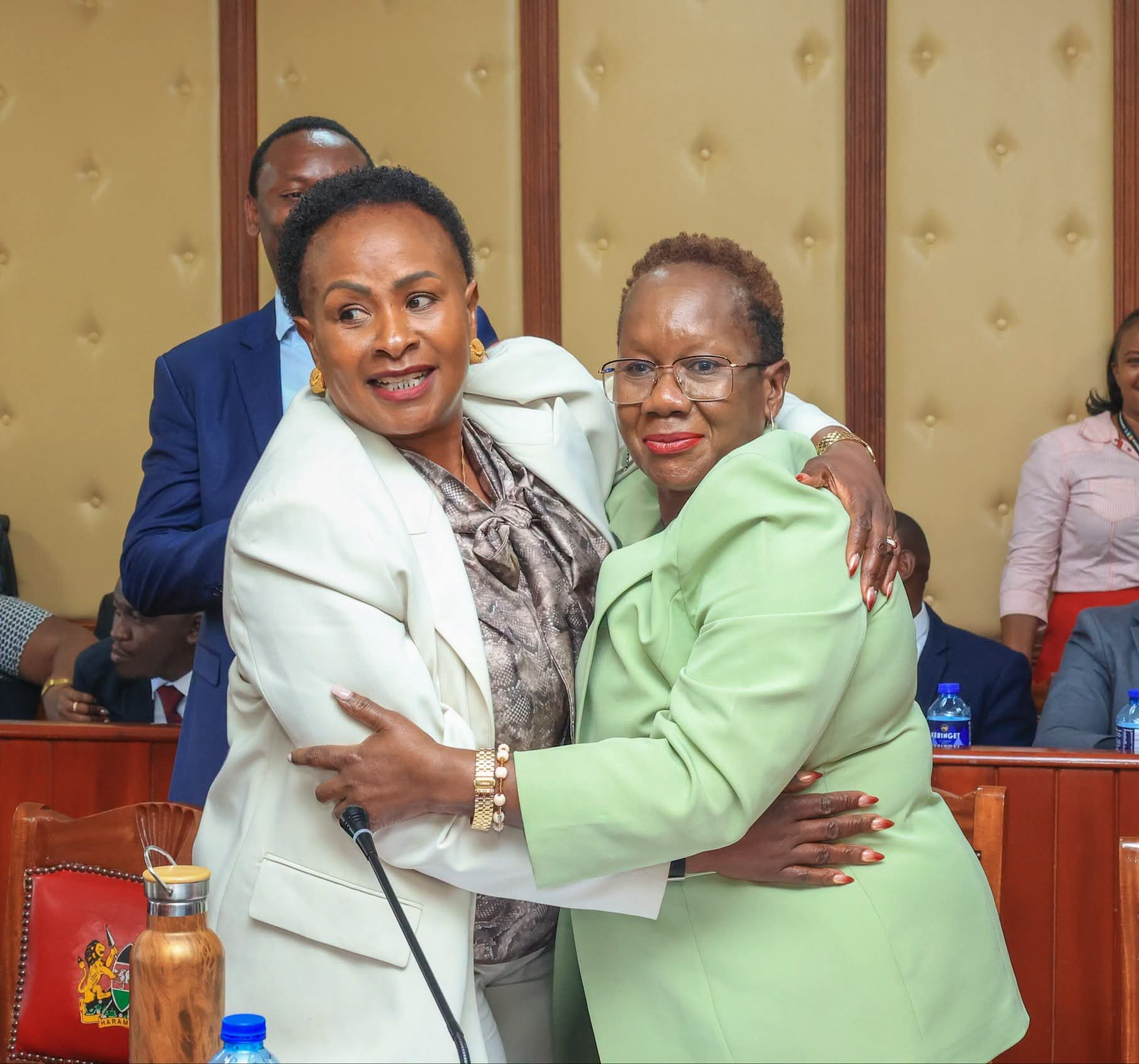
Machakos Governor Wavinya Ndeti and County Assembly Speaker Anne Kiusya have been forced to take their bitter power struggle to the Senate, as a protracted budget dispute threatens government operations, exposes workers to financial uncertainty and leaves critical development programmes hanging.
What appeared to be a moment of political civility between the two leaders at the Senate was set against months of hostility, public confrontations and accusations that have turned Machakos County into a battleground between its two principal arms of government.
Governor Ndeti and Speaker Kiusya appeared before the Senate Standing Committee on Devolution and Intergovernmental Relations to respond to questions regarding the status of the Machakos County Appropriations Bill, 2026.
📊 Channel 15 News Opinion Poll
Their appearance followed a statement sought by Senator Kavindu Muthama, who raised concerns about the implications of the impasse on county workers, development projects and essential public services.
The dispute centres on the Sh17.8 billion 2026/2027 financial year budget, which was passed by the County Assembly on August 18 with amendments that Ndeti subsequently rejected.
The Governor accused MCAs of making irregular changes amounting to approximately Sh853.96 million, arguing that the amendments threatened critical programmes, including road construction, garbage collection, bursaries, youth empowerment and the county’s revenue collection system.
Among the disputed allocations were Sh175.86 million for the Machakos Youth Service, Sh126.89 million for the Integrated County Revenue Management System and Sh78.32 million for garbage collection in three municipalities.
The disagreement exploded into an extraordinary confrontation on August 31 when Ndeti personally stormed the County Assembly to deliver her memorandum rejecting the amended budget, accusing Speaker Kiusya and the Clerk of frustrating the process.
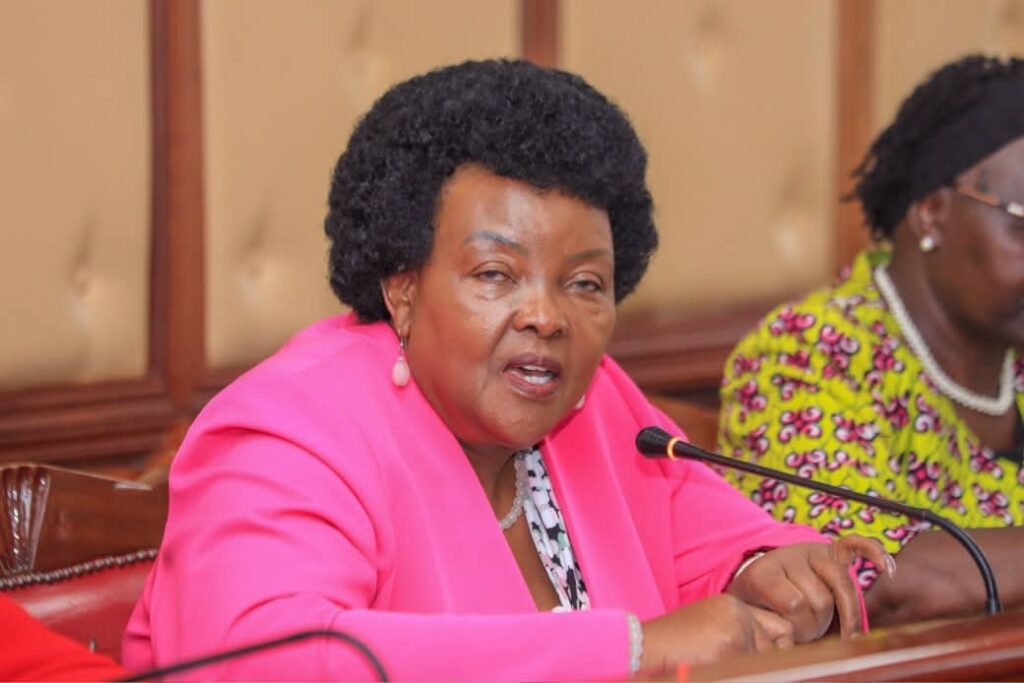
The Assembly subsequently launched investigations into the confrontation, further deepening the hostility between the two institutions.
The consequences have since extended beyond political exchanges.
In August, the Assembly approved the withdrawal of only 50 per cent of the proposed budget to keep essential government functions running as the impasse continued.
But the financial pressure has persisted.
In October, Kiusya announced that the Assembly’s medical insurance had been suspended over unpaid premiums, leaving MCAs, employees and their eligible dependants without access to the institution’s medical scheme.
The Speaker also disclosed that the Assembly had received a Kenya Revenue Authority notice concerning outstanding income tax and housing levy deductions for July to September 2026. Some planned programmes and activities were temporarily halted.
The situation prompted Majority Leader Nicholas Nzioka and other MCAs to warn that the Assembly was facing a possible shutdown, with October salaries and allowances for legislators and staff under threat.
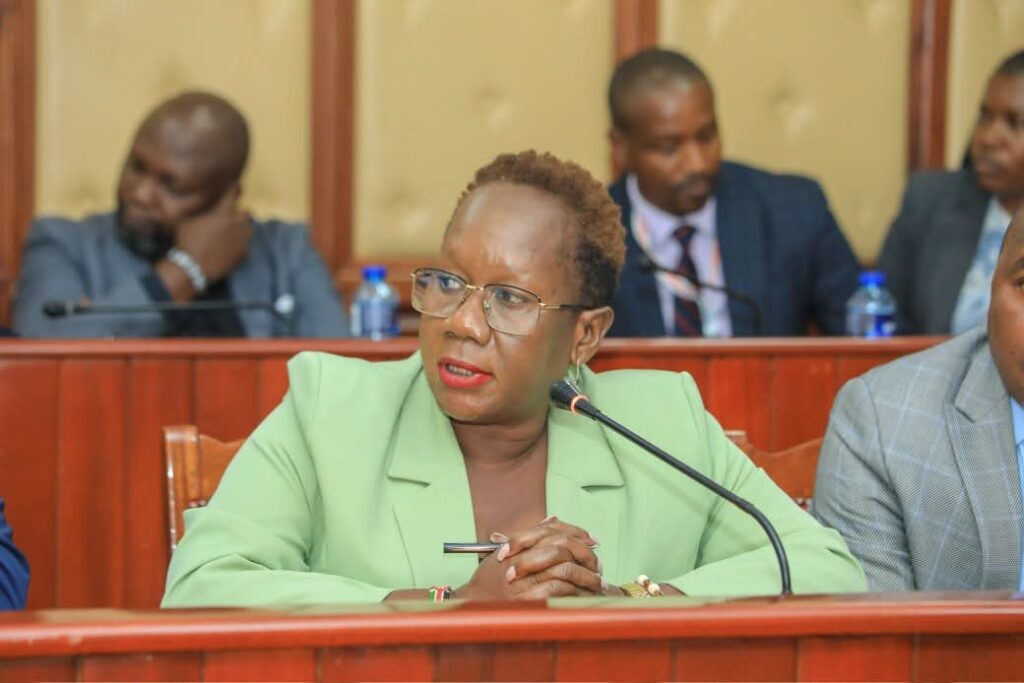
The financial crisis has also revived concerns over the county’s outstanding obligations. Ndeti previously put pending bills at Sh4.6 billion, including Sh1.6 billion in unpaid salaries for county employees covering April, May and June 2026.
Attempts to broker peace have also failed to produce a lasting breakthrough. Religious leaders, including outgoing Catholic Bishop Norman King’oo, reportedly led mediation efforts between the two sides, but the disagreements persisted.
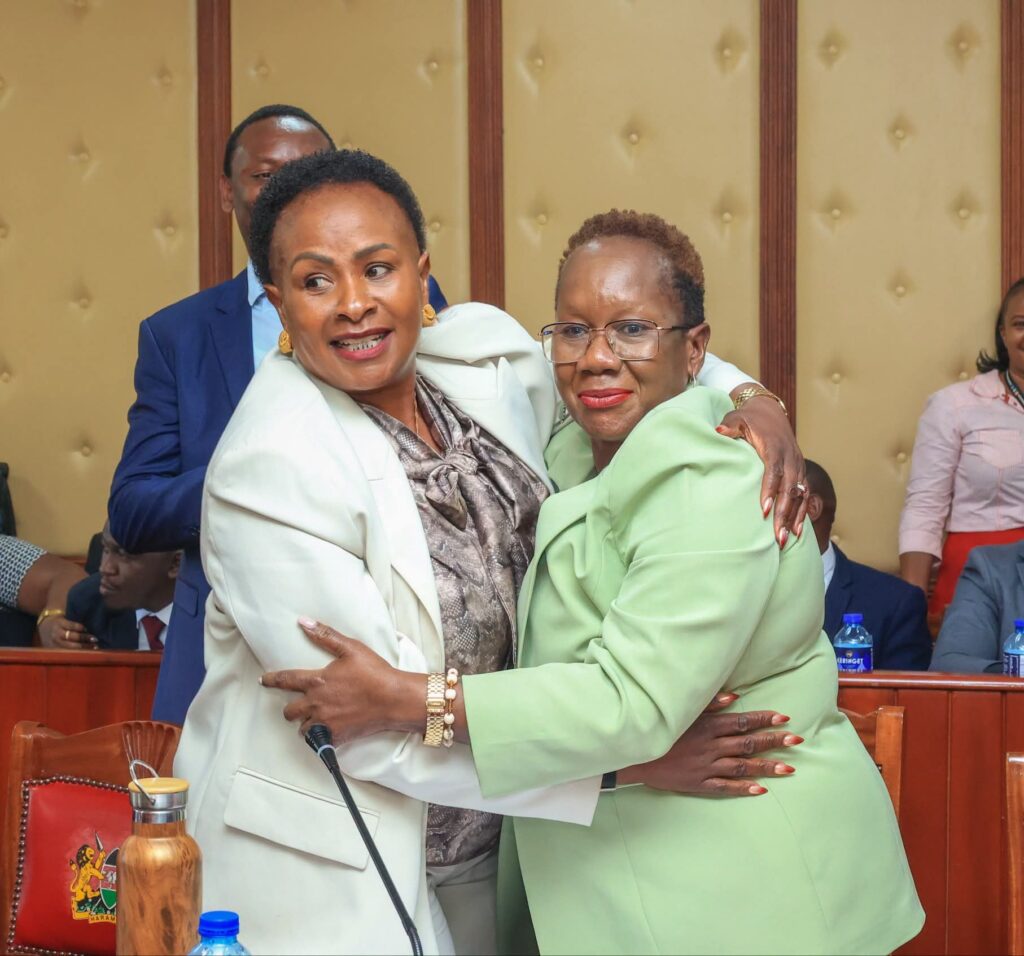
The conflict has also exposed divisions within the Assembly itself, with some MCAs demanding that Kiusya table Ndeti’s memorandum before the full House for debate and a formal resolution.
Against this background, the Senate appearance marks another attempt to bring the two sides to the negotiating table.
After the engagement, Ndeti adopted a conciliatory tone, describing the meeting as an opportunity to deliberate on the matter and clarify the status of the Bill.
She pledged continued cooperation with the Senate in strengthening devolution, improving intergovernmental relations and ensuring effective service delivery.
However, the public show of cooperation has yet to establish whether the Governor and Speaker have found common ground.
For Machakos residents, the stakes are considerably higher than the political egos of two elected leaders. Road projects, healthcare, sanitation, bursaries, county workers’ welfare and the financial stability of the Assembly remain among the issues demanding urgent resolution.
The latest Senate intervention now puts the spotlight on whether the two institutions can end their prolonged confrontation or whether Machakos will remain trapped in a governance crisis with residents paying the price.
Channel 15 News — The Full Story First.
