



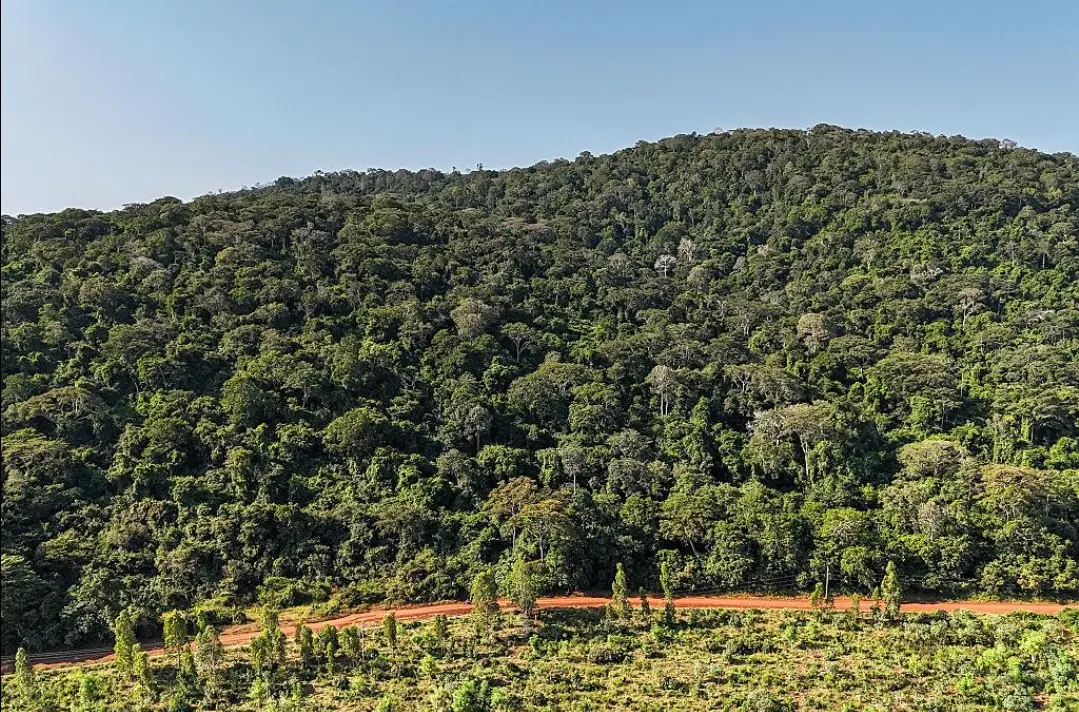
Kenya has selected an American consortium to develop the potentially multitrillion-shilling rare earth and niobium deposits at Mrima Hill in Kwale County, in a landmark mining development that has attracted international attention while raising questions over the future of local communities and the protection of a sacred forest.
The selection of Frontier Minerals Consortium was announced on Thursday, November 19, by Mining, Blue Economy and Maritime Affairs Cabinet Secretary Hassan Ali Joho, following a competitive tendering process for the strategic mineral deposits.
The decision has drawn praise from the United States Embassy in Nairobi, which congratulated the consortium, describing its selection as a reflection of the Kenyan government’s commitment to developing the mining sector through transparency, technological innovation, local value addition and job creation.
📊 Channel 15 News Opinion Poll
The embassy said the American consortium’s involvement presented an opportunity to generate economic benefits for Kenya while strengthening the country’s mining industry.
Frontier Minerals Consortium brings together four American companies: Frontier Minerals LLC, Bunker Hill Mining Corporation, ReElement Technologies and American Resources Corporation.
The project centres on deposits of rare earth elements and niobium at Mrima Hill, with preliminary government assessments indicating that the mineral resources could be worth more than Sh6 trillion.
Rare earth elements are critical components in the manufacture of electric vehicles, wind turbines, electronic equipment and advanced defence technologies, while niobium is widely used in high-strength steel production and aerospace manufacturing.
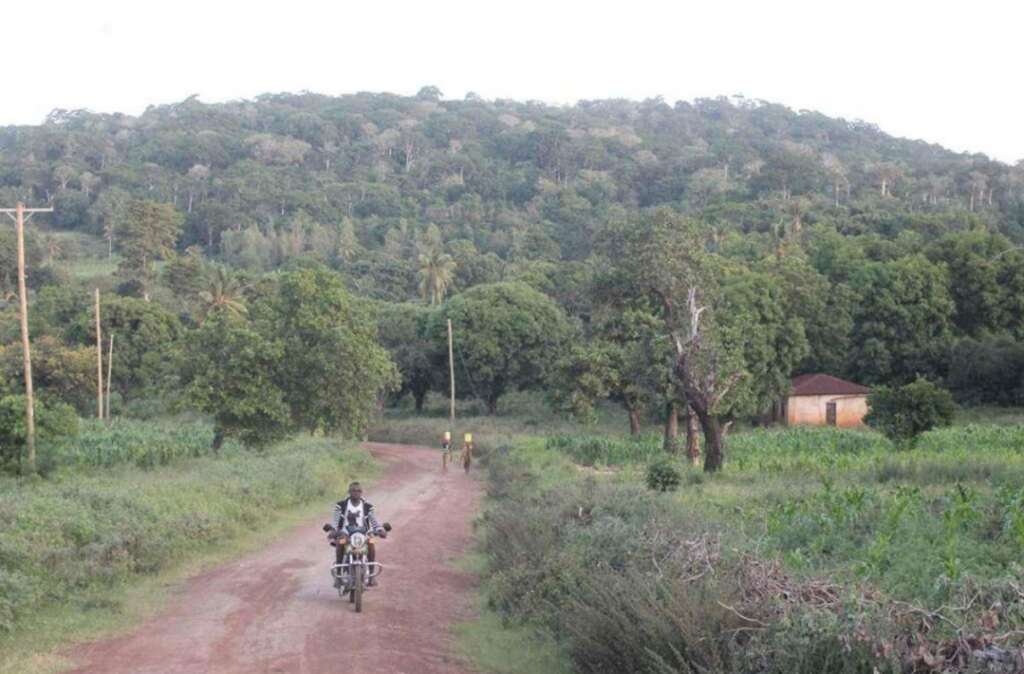
Photo: Tony Karumba/AFP
The development is expected to position Kenya more prominently in the global critical minerals supply chain, particularly as major economies seek alternative sources of strategic minerals amid growing competition over access to resources dominated by China.
The American consortium has indicated that it intends to establish mineral processing and refining capacity in Kenya, potentially allowing the country to capture more value from its natural resources instead of exporting raw mineral materials.
However, the proposed development faces important hurdles, particularly over land ownership, community participation and environmental protection.
Mrima Hill is home to a sacred forest of cultural and spiritual significance to the local Digo community, whose elders have expressed fears that mining activities could threaten ancestral burial grounds and heritage sites.
The Mrima Hill Sacred Grove was designated a national monument in 1992, raising questions about how the proposed mining operations will be reconciled with existing cultural and environmental protections.
Local farmers have also expressed concerns about potential displacement, loss of agricultural land and the limited information available to residents regarding the project’s scope and likely impact.
Justus Mwero, chairman of the Mrima Farm Owners Community-Based Organisation, has questioned whether residents have received sufficient information to make informed decisions about the proposed development.
The award has also attracted opposition from unsuccessful bidders.
Australia’s RareX, which participated in the contest alongside Iluka Resources, has indicated plans to challenge the decision, alleging that Frontier Minerals failed to meet an earlier tender submission deadline.
Another unsuccessful bidder, Mrima Earth Limited, has also indicated plans to challenge the outcome before the Public Procurement Regulatory Authority.
Frontier Minerals and the Kenyan government have maintained that the tendering process was transparent, fair and competitive.
Despite the announcement, the selection does not grant the consortium an automatic licence to commence mining or prospecting activities.
The Ministry says the successful bidder must first engage host communities, landowners and other stakeholders, obtain the necessary consents and apply for prospecting licences through the prescribed legal process.
The applications will be subjected to scrutiny by the Mineral Rights Board before any prospecting licences can be issued.
The government has maintained that the project must prioritise environmental conservation, local employment, community development and in-country mineral processing.
For Kenya, the Mrima Hill development represents a major opportunity to unlock its strategic mineral wealth and attract international investment.
However, the ultimate success of the project will depend not only on the value of the minerals beneath the hill but also on whether the government can guarantee that local communities benefit from the resource while protecting their land, livelihoods and cultural heritage.
