



The Senate has stepped up pressure on government agencies over the unresolved Thange oil spill in Makueni County, summoning four Cabinet Secretaries and the leadership of the Kenya Pipeline Company (KPC) to account for the environmental disaster that continues to trouble residents more than a decade later.
In a dramatic development on Thursday, November 19, 2026, the Senate Committee on Energy fined KPC Acting Managing Director Pius Mwendwa Sh500,000 for failing to honour its summons, as lawmakers demanded answers over the prolonged delay in addressing the 2015 oil spill.
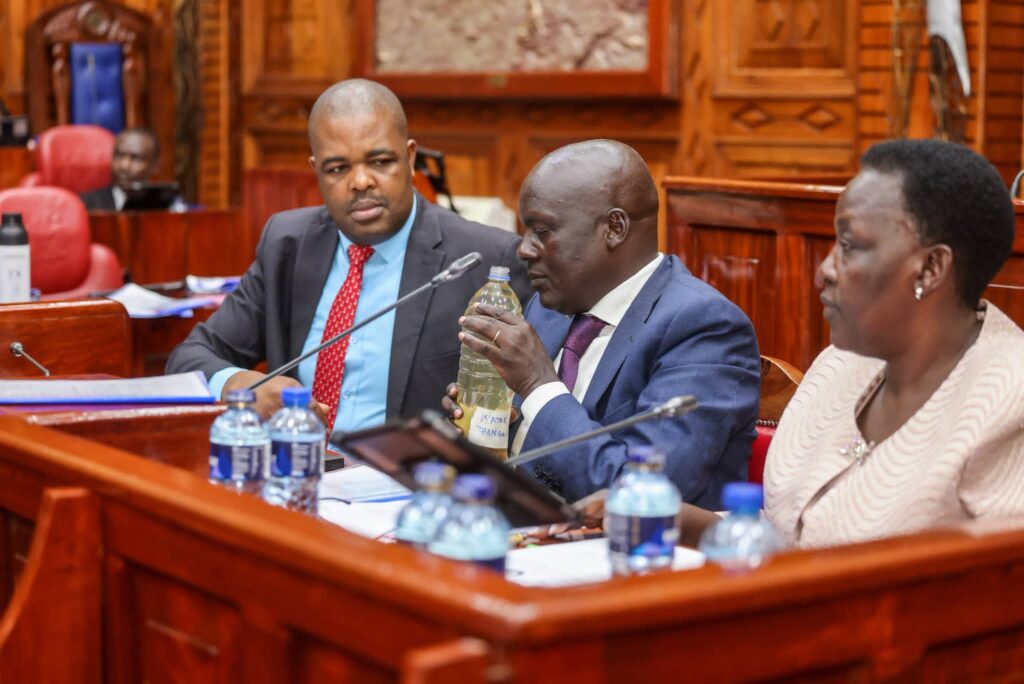
The committee, chaired by Elgeyo Marakwet Senator William Kisang, also resolved to summon Cabinet Secretaries responsible for Energy and Petroleum, Health, Water, Sanitation and Irrigation, and Environment, Climate Change and Forestry.
📊 Channel 15 News Opinion Poll
The National Environment Management Authority (NEMA) and the KPC Board will also be required to appear before the committee.
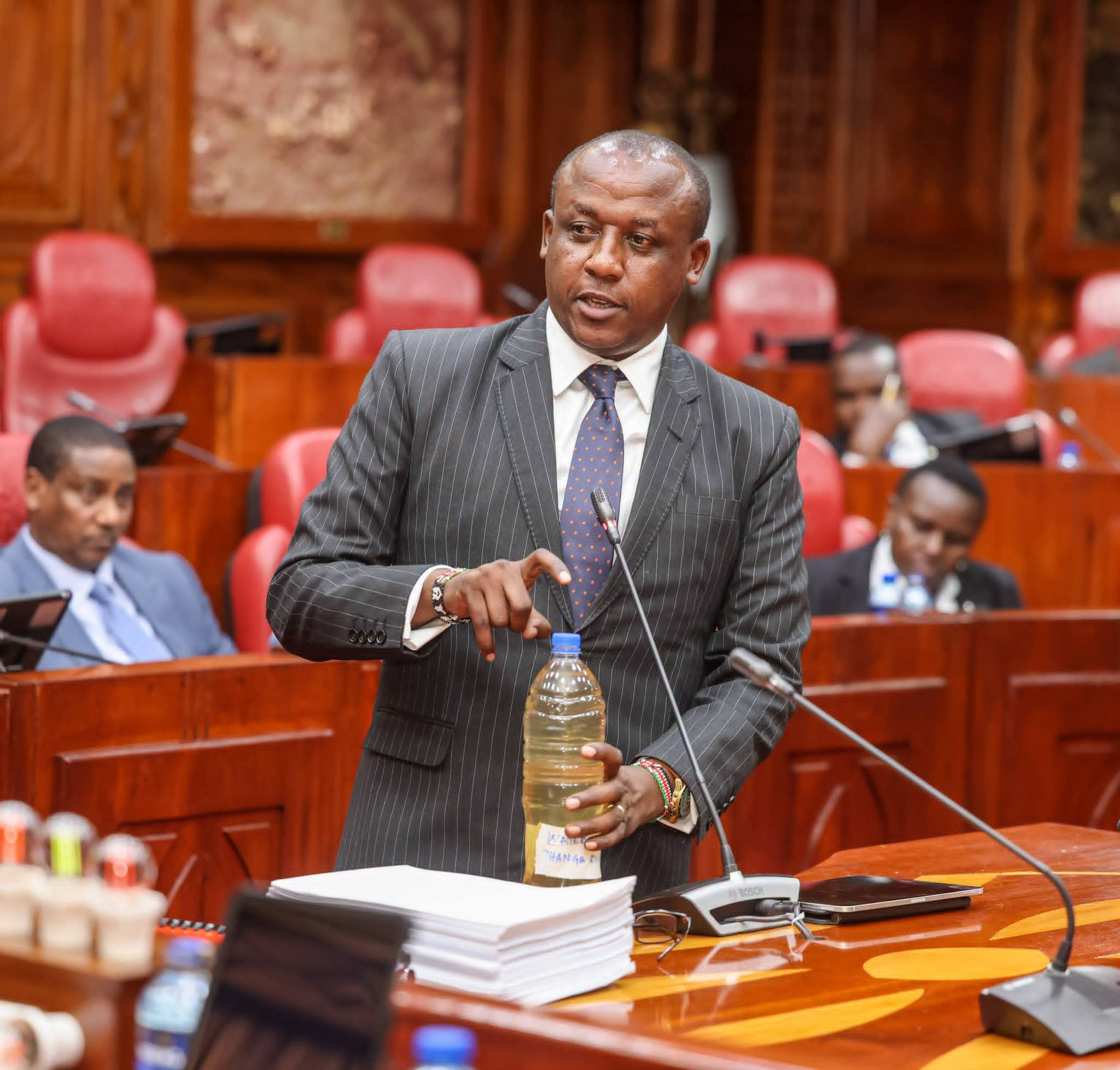
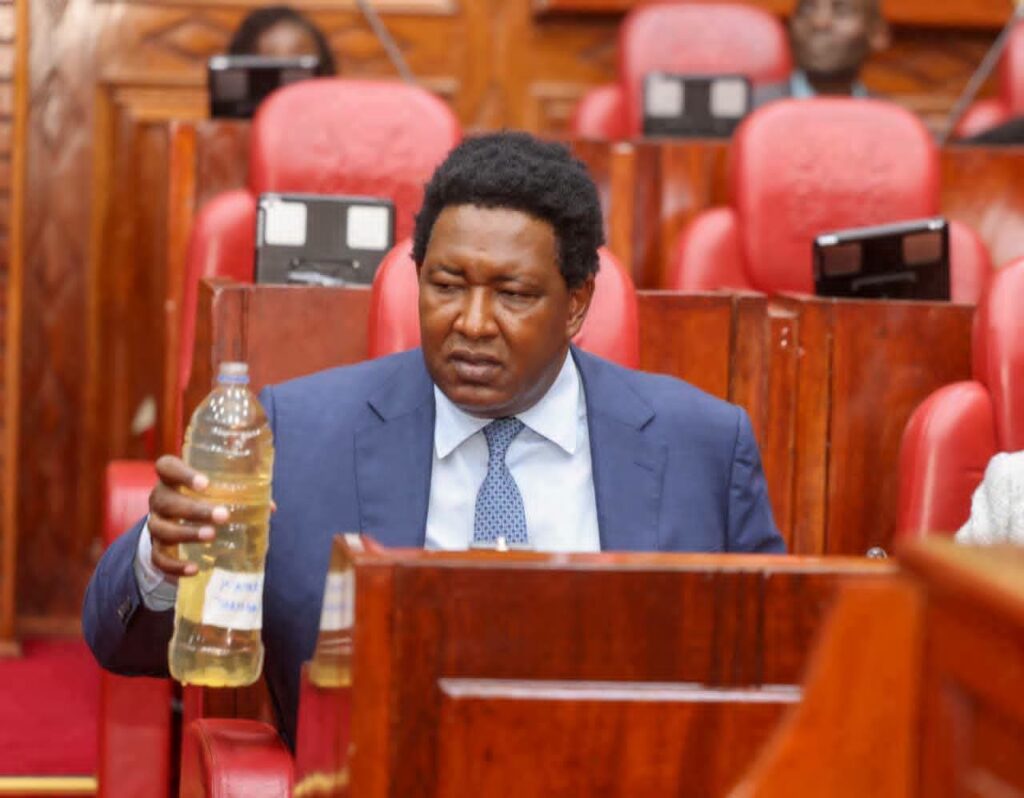
The latest developments followed an appearance by Makueni Governor Mutula Kilonzo Jr., who presented water samples collected from Thange River to demonstrate the concerns surrounding possible continued petroleum contamination.
The governor told senators that the samples still carried a distinct smell of fuel, raising fresh questions about the safety of water used by communities living along the affected river.
In a particularly disturbing account, Mutula told the committee that residents were still grappling with the consequences of the spill, despite the passage of more than 11 years.
“Twelve years after this spill, if you dig three feet in Thange you get fuel, not water. People in their thirties look eighty, with shrunken kidneys and livers, and we are still burying them,” the governor told senators.
He further disclosed that the county government, together with the Ministry of Health, had spent approximately Sh62 million on treatment for affected residents, arguing that the money should be recovered from KPC under the Public Health Act.
Mutula criticised the absence of key government officials and KPC representatives, warning that the inquiry could not make meaningful progress without the institutions expected to account for the disaster.
“County officials are here, but the ministers are not. This is a game. We cannot move this matter without the polluter in the room,” he said.
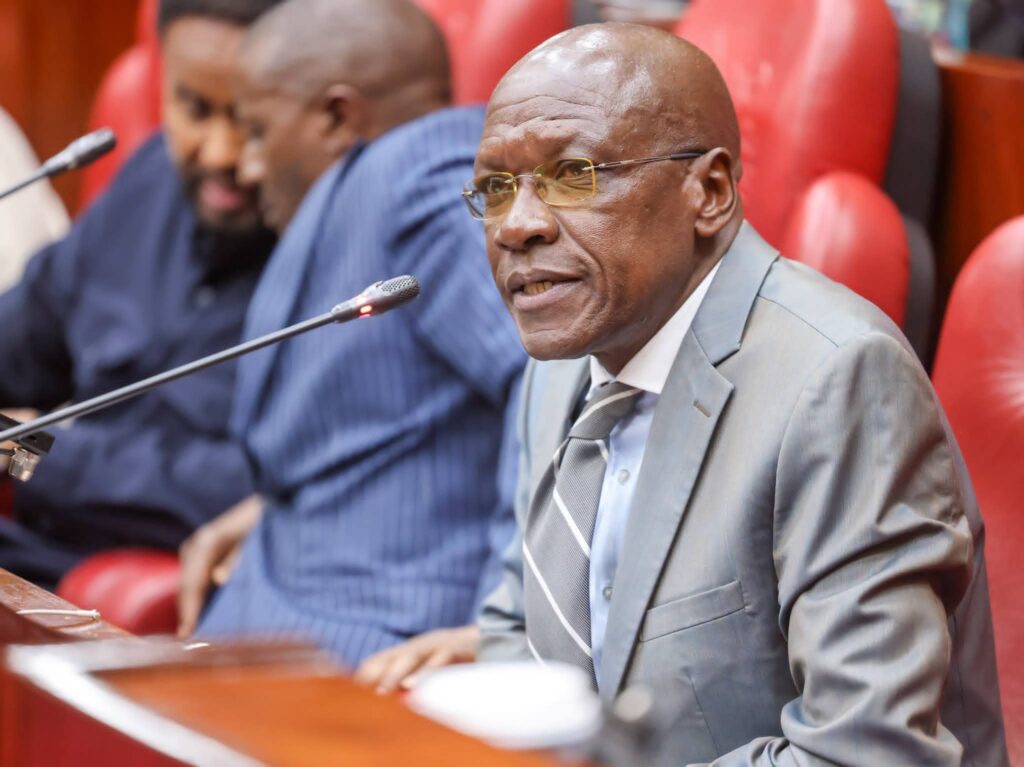
Kakamega Senator Boni Khalwale also questioned the apparent delay in addressing the crisis, arguing that communities in rural counties deserved the same urgency in responding to environmental disasters as those in major cities.
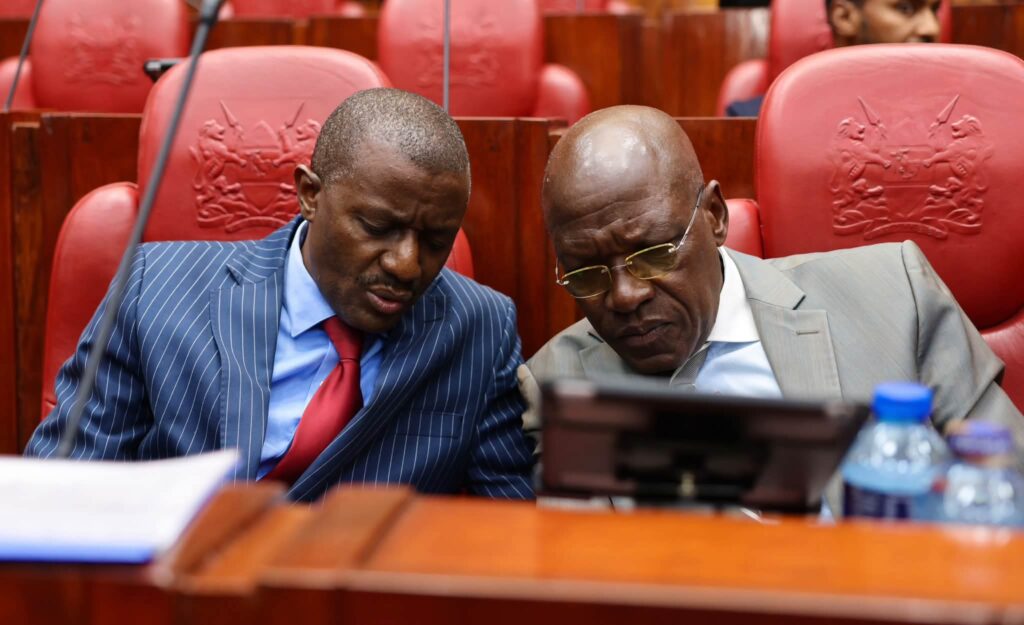
Makueni Senator Daniel Maanzo, meanwhile, asked the Energy and Petroleum Regulatory Authority to take custody of the water sample presented before the committee as part of the evidence in the inquiry.
The committee’s action against KPC followed the failure of its acting managing director to appear personally before the senators.
Mwendwa had cited an interview for the substantive managing director position, which was scheduled for the same morning.
However, Kisang ruled that the KPC officials who attended could not represent the company’s board or make decisions on its behalf.
The committee subsequently imposed the Sh500,000 fine under Section 19 of the Parliamentary Powers and Privileges Act, maintaining that parliamentary summons were personal and had to be honoured.
Maanzo questioned the timing of the interview, noting that the summons had been issued on November 11, while the interview was scheduled for the same day as the Senate hearing.
Mwendwa has now been directed to appear before the committee during the first week of December, alongside the Cabinet Secretaries and the KPC Board.
Reacting after the session, Governor Mutula vowed that Makueni would not abandon the pursuit of justice for the affected community.
“We will pursue justice for the people of Thange no matter how long it takes,” he said.
He maintained that the water collected from Thange River and presented to the Senate was testimony to the continuing concerns facing residents who depend on the river for their water needs.
The 2015 spill has remained a major environmental and public health concern in Thange, with residents seeking accountability, adequate remediation and access to safe drinking water.
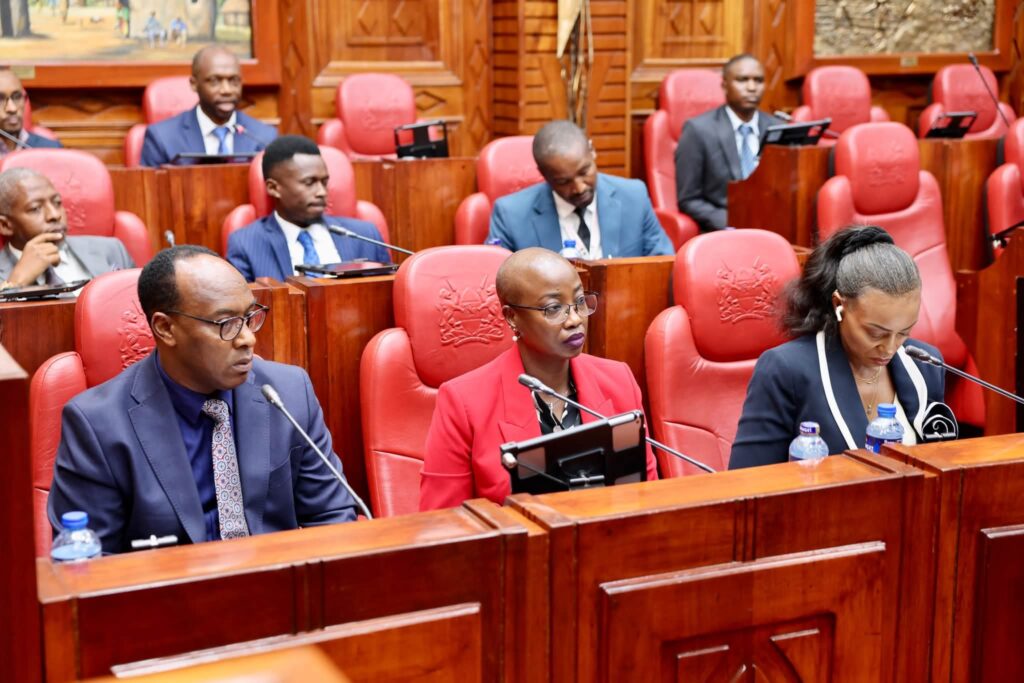
For the affected families, the Senate’s latest intervention represents another opportunity to have their concerns addressed and the responsible institutions held accountable.
However, beyond summons and parliamentary fines, residents will be looking for tangible action: clean water, environmental restoration, proper medical support and answers over a disaster that has remained unresolved for more than a decade.
