


In a political season clouded by noise, protest, and mistrust, one leader is quietly rewriting the playbook — and doing it without drama, without dynasty, and without dancing to government or opposition tunes. Dr. Augustus Kyalo Muli, the newly confirmed Party Leader of the National Liberal Party (NLP), is methodically carving out a fresh political force — one that’s turning heads across Kenya, particularly in the politically sensitive Lower Eastern region.

At the heart of this rising force is a simple but powerful strategy: rebuild trust from the ground up, focus on the issues Gen Z and middle Kenya care about, and reject the tired binary of government versus opposition.
The June NDC: A Political Signal Beyond the Surface
While most parties are content with chaotic pressers and internal wrangles, NLP’s June National Delegates Conference (NDC) stood out for its order, clarity, and ambition. The NDC — an event often overlooked in Kenya’s political circus — carries significant weight globally. In established democracies, such as the United States, the Democratic and Republican national conventions are watershed moments where parties define their vision, crown their leaders, and announce their path to power.
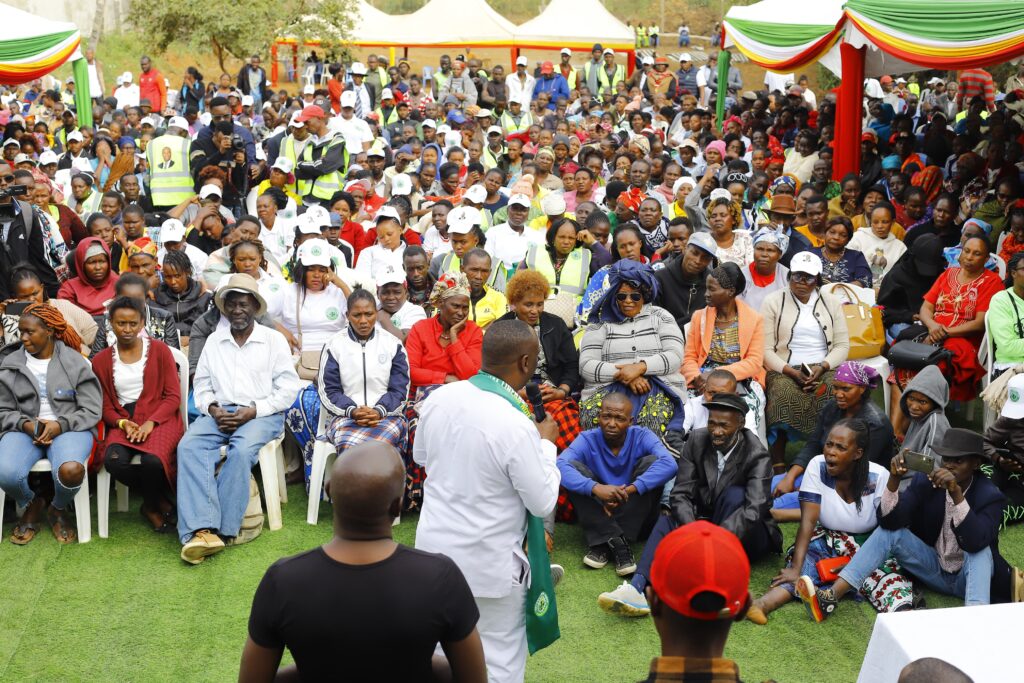
NLP’s NDC achieved just that.
In a strong show of internal unity and confidence, delegates from across the country officially endorsed Dr. Augustus Muli as party leader, giving him the green light to represent the party at national negotiations and prepare it for the 2027 contest. The NDC also ratified the party’s 2024–2027 roadmap, which prioritizes youth engagement, economic liberalism, digital government, and national unity.
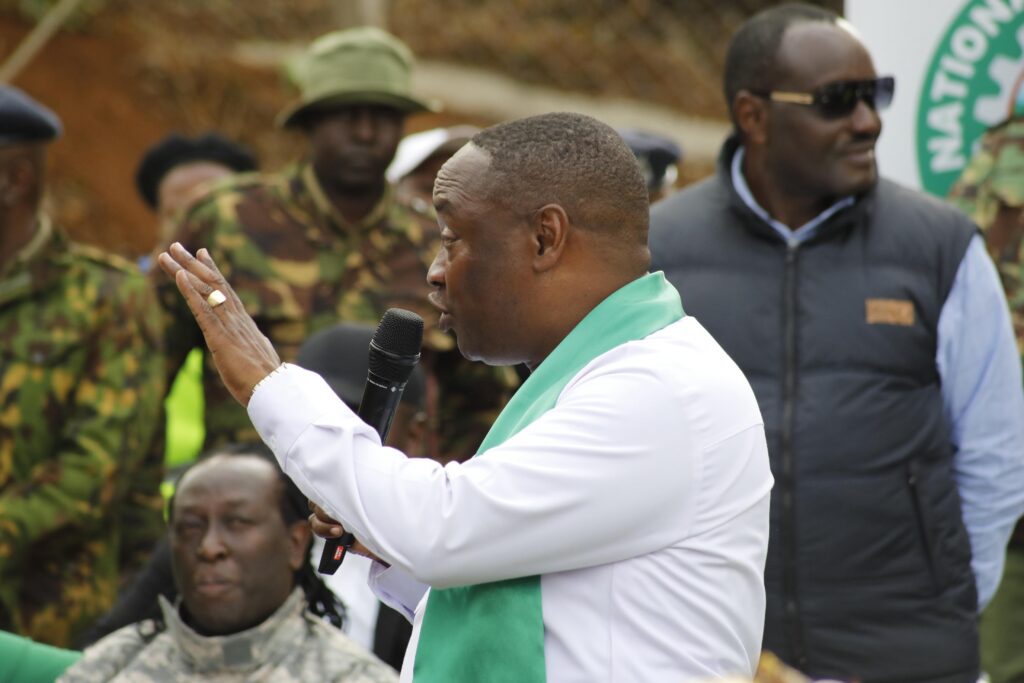
“This is not just about 2027. It’s about building a country that Gen Z can believe in again,” Dr. Muli said during his address to the delegates.
34 Branches and Counting: A Silent National Surge
While traditional parties dominate headlines with squabbles and succession wars, NLP has been working — quietly and effectively — to build its presence. With 34 active branches across Kenya, NLP has surpassed many of the so-called “briefcase parties” and is now among the few parties with functional county-level structures, local coordinators, and a growing online youth movement.
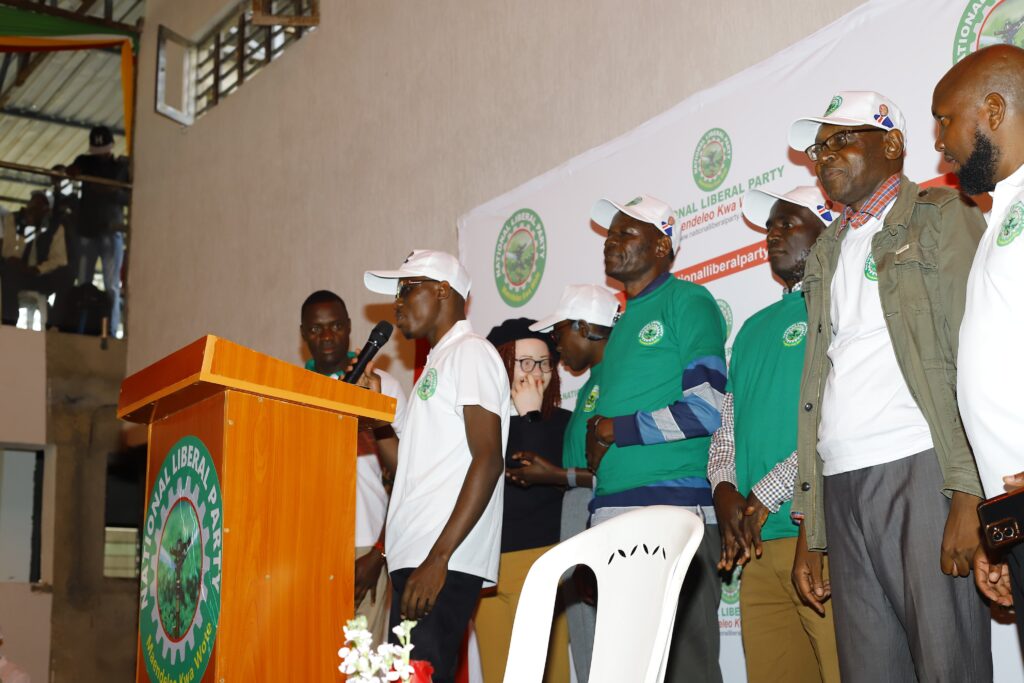
This strategic growth is part of Dr. Muli’s belief that politics must go beyond tribal arithmetic. Instead, his team is building NLP as a policy-driven platform, with practical, inclusive solutions to the real issues facing Kenyans — from economic stagnation to digital rights to healthcare and youth unemployment.
Lower Eastern’s New Political Centre
Dr. Muli’s surge couldn’t have come at a more telling time. The Wiper Democratic Movement, long dominant in Ukambani under Kalonzo Musyoka, is facing visible internal discord. With several MCAs openly defying party positions, and Kalonzo’s focus turning national ahead of a 2027 presidential run, the region is increasingly up for grabs.
Here, NLP’s appeal is growing fast — especially among young professionals, digital entrepreneurs, and university students. They’re tired of legacy politics and are increasingly drawn to Muli’s calm, issue-based leadership and pragmatic ideology.
The Gen Z Opportunity: A Party That’s Listening
The discontent of Gen Z — amplified during the recent Saba Saba protests — is not lost on Dr. Muli’s NLP. In fact, NLP may be the only political party right now that Gen Z doesn’t completely distrust. With its strong social media presence, digital town halls, and youth-focused policy agenda, NLP is fast becoming the default political home for those who feel ignored by Kenya Kwanza and betrayed by Azimio.

“We’re not shouting in rallies. We’re listening, engaging, and organizing. The youth are not just angry — they’re ready to build,” said an NLP Youth League leader during a recent engagement forum in Machakos.
Not Government. Not Opposition. Just Kenya.
Perhaps the most defining quality of the NLP strategy is its decision to reject the “either you’re with us or against us” mentality that dominates Kenyan politics. NLP is offering a genuine third path — one that neither worships power nor chases empty protest.

In an environment where political loyalty often shifts with the wind, and parties exist mostly as election-day vehicles, Dr. Augustus Muli’s NLP is betting on something bolder: a sustainable, structured, national party rooted in liberal values and powered by young, disillusioned but determined Kenyans.
As 2027 approaches and the usual political heavyweights gear up for battle, one thing is becoming clear: ignoring NLP may be the biggest mistake traditional parties make.
