


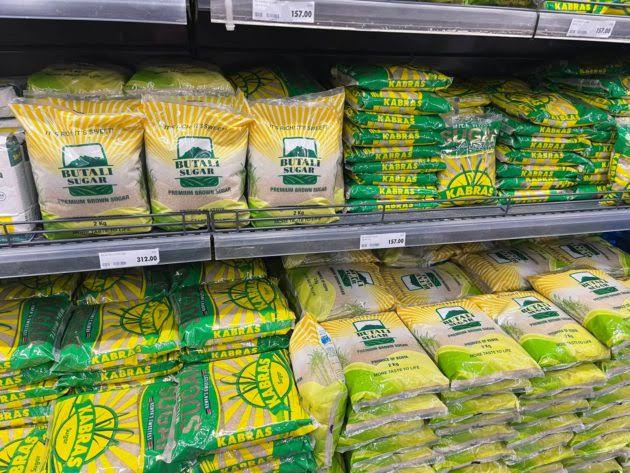
Kenyans are staring down yet another financial blow as sugar prices are expected to skyrocket starting May 21, following the government’s decision to impose a new 4% Sugar Development Levy (SDL) on both locally produced and imported sugar.
Agriculture Cabinet Secretary Mutahi Kagwe confirmed the move, saying the levy is aimed at raising billions to revive Kenya’s ailing sugar industry. But for ordinary consumers already struggling under the weight of a high cost of living, the news is anything but sweet.
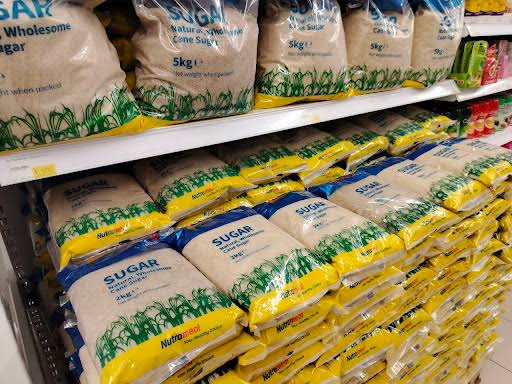
Photo | Channel 15 News
With retail prices currently averaging KSh 166 per kilo, the new levy could push costs well beyond KSh 180 — a sharp spike that importers and retailers have already hinted they’ll pass down to consumers.
“This is an outright ambush on the Kenyan household,” said consumer rights activist Beatrice Nyongesa. “The government is sugar-coating this as revival, but in reality, it’s the mwananchi who’s getting burned.”
The funds collected under the SDL are expected to finance sugar research, support farmers, and revamp collapsed milling factories. But skeptics are questioning whether the money will truly reach its intended beneficiaries or be lost in the same corruption scandals that crippled the sector in the first place.
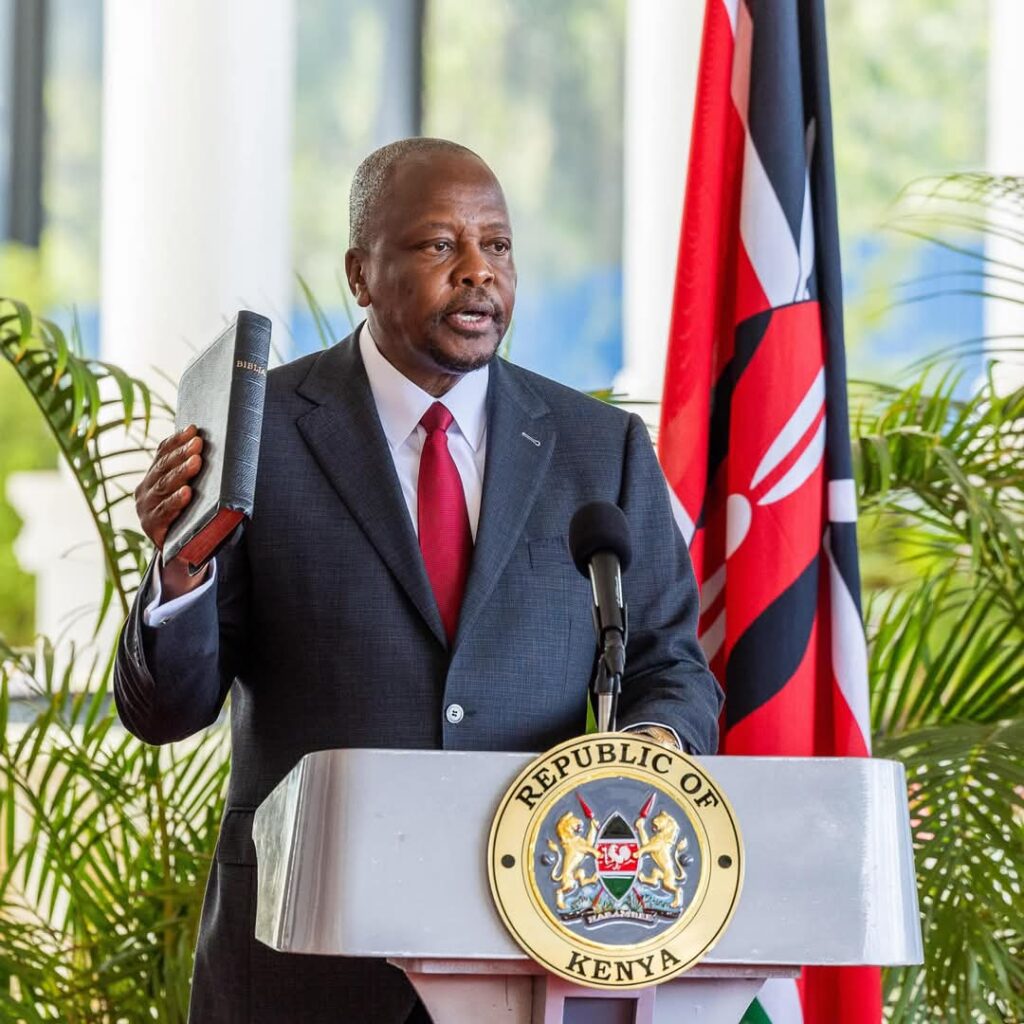
Photo | State House Kenya
Opposition leaders have called the levy “ill-timed” and “punitive,” demanding that the government first tackle issues of mismanagement, illegal sugar imports, and inefficiencies in sugarcane farming before burdening the public.
“They are taxing hunger,” said a fiery MP during a press briefing. “You can’t fix the sugar sector by breaking the backs of the poor.”
Still, government officials insist the SDL is a “necessary pain” and a vital step toward long-term self-sufficiency. “We can’t continue importing sugar endlessly. This levy is about rebuilding from within,” CS Kagwe defended.
As the deadline looms, supermarkets are already seeing increased purchases, with some Kenyans rushing to stockpile before the hike kicks in. Analysts predict further inflation in processed foods that rely on sugar, such as bread, soft drinks, and baked goods.
With fuel prices, power tariffs, and now sugar on the rise, Kenyans are asking one thing: how much more can they take?
