


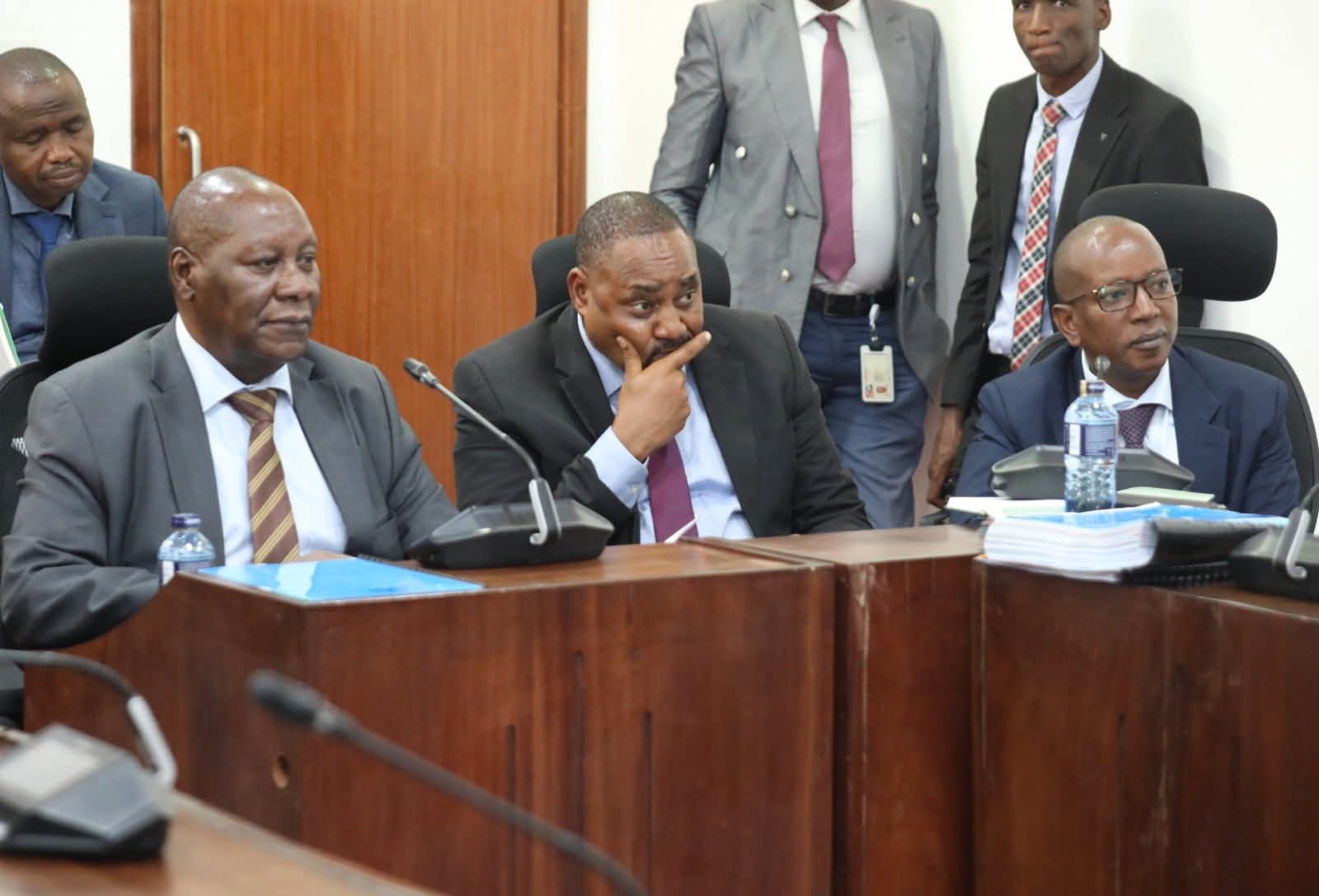
The Senate County Public Accounts Committee (CPAC) has ordered the Ethics and Anti-Corruption Commission (EACC) to investigate revenue collected from sand harvesting in Kitui County following sharp disputes over figures presented by the county government.
The directive was issued on Tuesday when Kitui Governor Julius Malombe appeared before the Committee to respond to audit queries arising from the county’s 2024/25 financial year accounts.

CPAC want the EACC to establish the actual number of trucks transporting sand daily, the cess charged per truck, and the total revenue generated across the county, amid concerns that earnings from the sector are grossly underreported.

“Revenue from sand cess requires thorough investigation,” CPAC Chairperson Senator Moses Kajwang’ said.
“We direct the EACC to follow up on the matter and take the necessary action as provided for under the Constitution.”
Disputed figures

Governor Malombe told the Committee that between 10 and 20 trucks ferry sand daily, with cess collections averaging Sh50,000 per day. He explained that cess charges vary by tonnage, with 10-ton trucks paying up to Sh5,000, while smaller lorries pay between Sh2,000 and Sh3,000.
He added that weather conditions affect volumes, noting that during rainy seasons the number of trucks can drop to as low as five per day, generating approximately Sh25,000 in daily revenue.
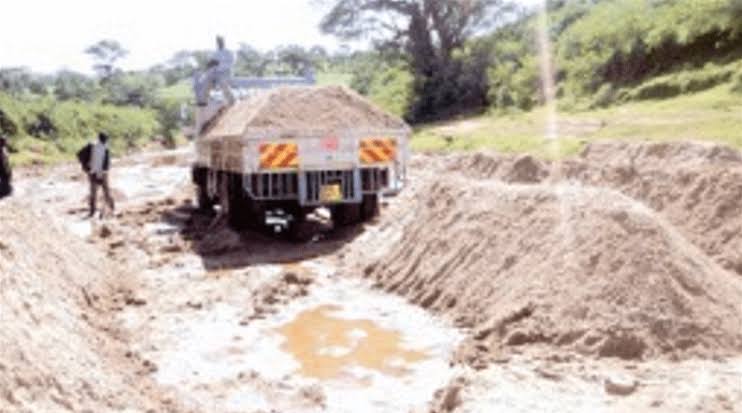
However, Senators rejected the explanation, terming the figures unrealistic and inconsistent with the scale of sand harvesting activities in the county.
Senators allege cartel interference
Senator Enock Wambua told the Committee that on average at least 100 trucks transport sand across Kitui County daily. He alleged that although operators pay up to Sh6,000 in cess, receipts are issued for as little as Sh1,000, with the difference allegedly siphoned off by cartels.

Using the county’s own estimate of 20 trucks per day, the Senator questioned the Sh11 million declared as annual sand revenue in the county’s financial statements.
“If 20 trucks each pay Sh5,000 per day, that is Sh100,000 daily, translating to about Sh36.5 million annually,” he said, noting a significant discrepancy with the reported figures.
Governor cites reforms, admits challenges
Governor Malombe attributed the low revenue to historically weak regulation and the previously unstructured nature of sand harvesting in the county.
He said the county had since enacted the Kitui Rivers Basin Sand Utilisation and Conservation Act, which has automated cess collection and introduced registered cooperative societies to manage sand harvesting.

“I cannot deny that cartels exist,” the Governor said, adding that recent reforms had weakened their influence. “They are on the run because of the tough measures we have put in place.”
The new law requires sand harvesting to be conducted strictly through registered cooperative societies, with enhanced enforcement mechanisms aimed at sealing revenue leakages.
EACC steps in
With CPAC’s directive, the EACC is now expected to trace the full revenue trail from sand harvesting in Kitui County and determine whether public funds were lost through fraud or mismanagement.
The findings could have far-reaching implications for revenue governance in counties heavily dependent on natural resources.
