


The Senate has pushed back strongly against governors following a resolution adopted by the Council of Governors in Kilifi, escalating a growing political and constitutional standoff over the oversight of county governments.
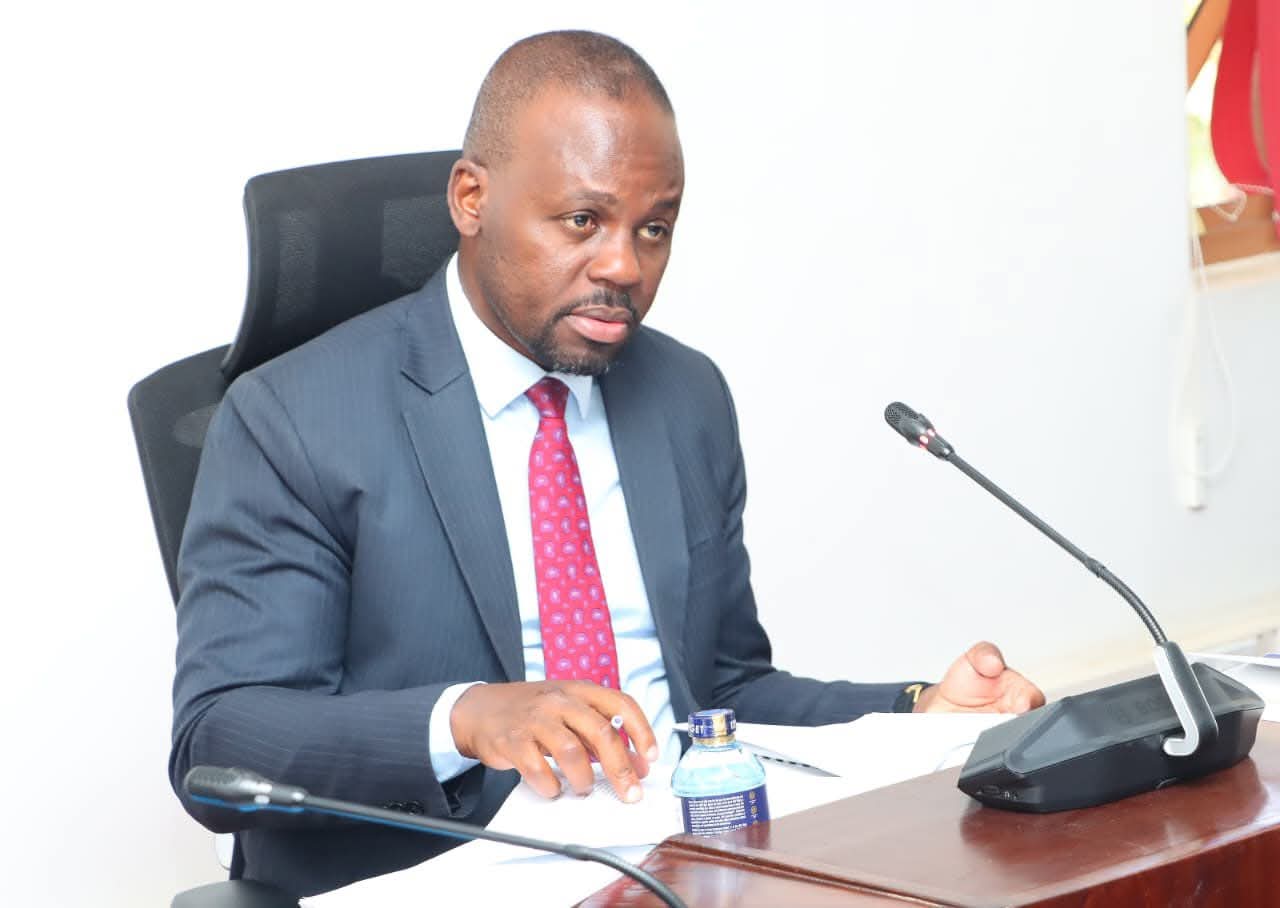
Senate Public Accounts Committee Chairperson Moses Otieno Kajwang’ said he was deeply troubled by the resolution, which he argued seeks to impose conditions on how governors should be subjected to Senate scrutiny.
According to Kajwang’, the governors’ position suggests that they want to determine when they appear before Senate committees, influence the composition of oversight panels, and control the nature of questioning—an approach he described as an outright affront to the Constitution.

Kajwang’ warned that such demands amount to an attempt to undermine parliamentary authority and weaken accountability mechanisms at a time when counties are under intense scrutiny over the management of public funds. He likened the governors’ stance to suspects demanding to appoint the judges who will hear their cases, arguing that accountability cannot be reduced to a negotiated process.
The Senate’s response comes against the backdrop of damning revelations contained in recent Auditor-General reports, which have exposed widespread cases of theft, misuse, and misappropriation of public resources in county governments. The findings, amplified by sustained media coverage, have heightened public anger and renewed calls for tougher oversight of devolved units.

Kajwang’ insisted that Kenyans are not blind to what is unfolding, noting that the public can clearly see an emerging pattern where governors appear to be pushing back against oversight precisely because hard questions are being asked.
He accused some county leaders of attempting to bully the Senate into retreating from its constitutional role.Citing Articles 229 and 125 of the Constitution, Kajwang’ emphasized that the Senate has clear authority to consider reports of the Auditor-General and to summon any person to give evidence. He maintained that the Senate has acted strictly within the law and that its oversight mandate is not subject to negotiation or political convenience.
Addressing claims by governors of harassment and extortion by Senate committees, Kajwang’ challenged them to submit any evidence they may have to the appropriate investigative agencies. He said genuine grievances should be pursued through lawful channels rather than through public statements that risk eroding public confidence in constitutional institutions.

Kajwang’ said the Senate would not be distracted by political theatrics or side shows and reaffirmed its commitment to protecting public resources. He stressed that accountability is not a favour extended to the Senate, but a constitutional duty owed to the Kenyan people.
As the standoff deepens, the confrontation is shaping into a broader political test of devolution, pitting county executives against parliamentary oversight. With billions of shillings in public funds under scrutiny, the outcome is likely to have far-reaching implications for governance, transparency, and the future of accountability in Kenya’s devolved system.
