


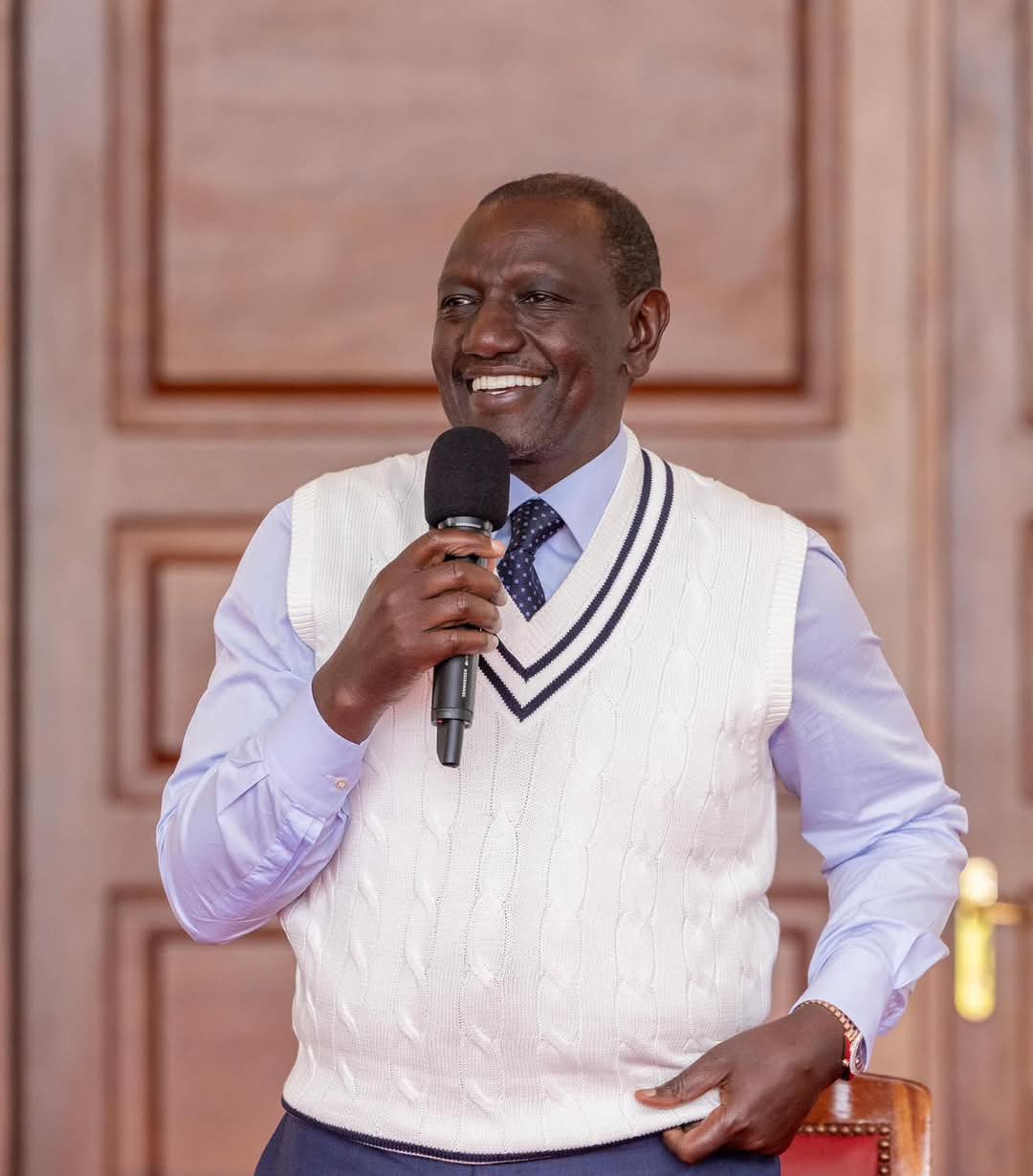
President William Ruto’s meeting with leaders from the Lower Eastern region tomorrow at State House is unlikely to attract the right attention—not because of opposition resistance, but due to his team’s baffling approach to engagement. Channel 15 News can now report that in what’s being dubbed a monumental misstep, the president sent unknown individuals to invite governors and elected leaders—bypassing official protocols and snubbing key regional figures in the process.

“You don’t build bridges by burning respect,” said political commentator Mwendwa Kavoi. “Sending faceless emissaries to summon elected governors is not just arrogant—it’s reckless. Ukambani’s political landscape is shifting, and State House seems blind to it.”

Was it really that difficult for the Head of State to write three letters to the Ukambani Governors? A simple, formal invitation to Governors Wavinya Ndeti (Machakos), Julius Malombe (Kitui), and Mutula Kilonzo Jr. (Makueni) would have signaled respect. Instead, leaders were left questioning whether the president even values Ukambani’s contribution to the national agenda.

Even more astonishing was the exclusion of Wiper Party Leader Kalonzo Musyoka. How does one invite Wiper governors and MPs—but leave out their party boss? It’s either a deliberate political slight or a dangerous show of disconnect. Either way, it fuels a narrative that Ruto doesn’t respect Ukambani’s political structures.

Then comes the question of rising regional forces like Dr. Augustus Kyalo Muli, the NLP Party Leader who in under two months has toured all Ukambani counties, holding grassroots engagements and building real momentum. “No one is doing what Kyalo Muli is doing in Ukambani right now,” a political analyst observed. To claim to engage regional leaders and miss him out is either ignorance—or sabotage.

What about the heavyweights like Charity Ngilu and Kivutha Kibwana? Their absence from the president’s consultations has left many wondering whether the people surrounding Ruto are deliberately undermining efforts to build genuine ties with Ukambani.
So who exactly is advising the president on Ukambani affairs? If it’s the same cartel accused of killing UDA’s influence in the region through greed and internal wrangles, then this is not just a blunder—it’s a warning sign. Ukambani deserves more than shadowy invitations and selective respect.
President Ruto must learn fast: Ukambani leaders cannot be summoned like subordinates. Engagement must be respectful, inclusive, and sincere—or risk total rejection.
