


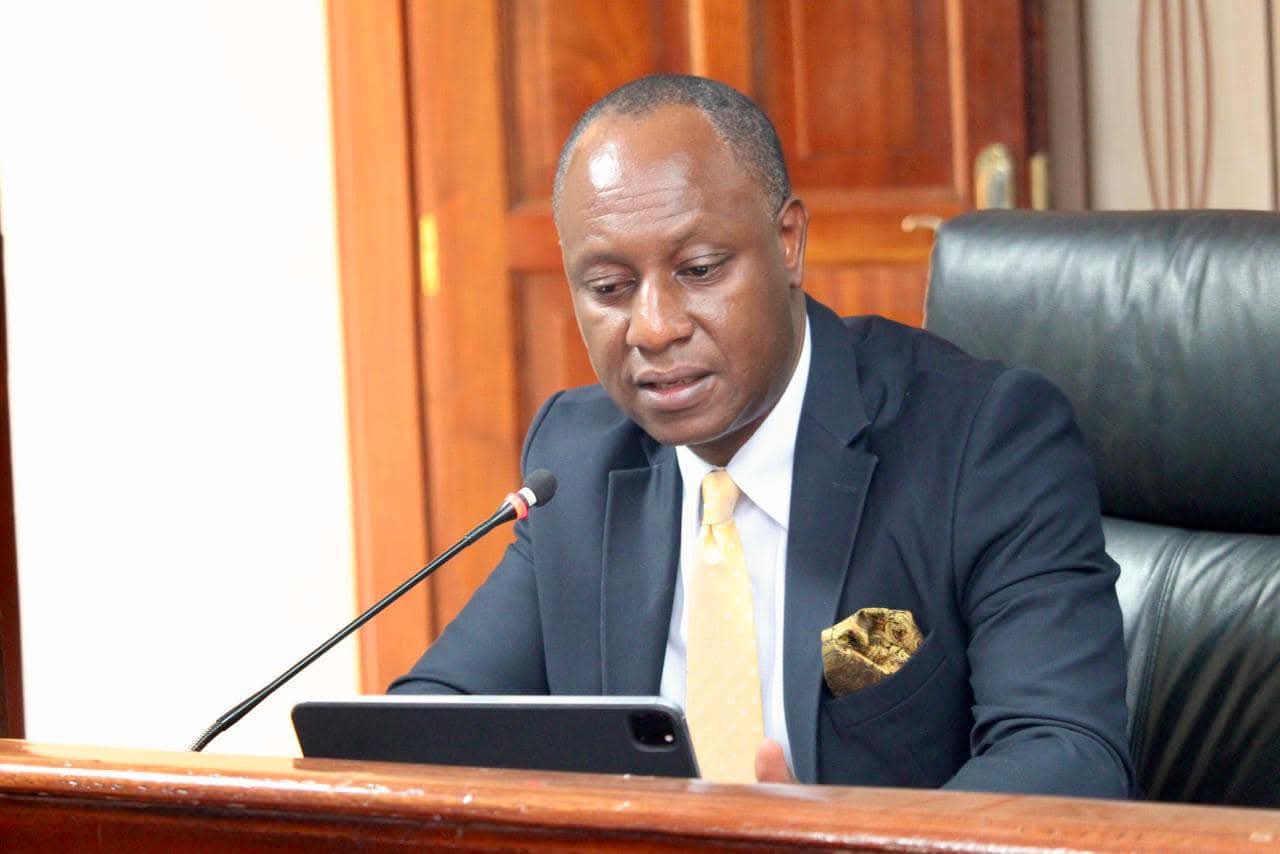
The Principal Secretary for Livestock, Jonathan Mueke, has urged the National Assembly’s Agriculture and Livestock Committee to support a renewed push for increased budgetary allocation to the Kenya Veterinary Vaccines Production Institute (KEVEVAPI), citing over a decade of failed attempts to secure adequate funding.
Appearing before the Committee during deliberations on the 2026 Budget Policy Statement, Mueke said KEVEVAPI has consistently been underfunded for the past 14 years despite its strategic importance in livestock health and vaccine production.
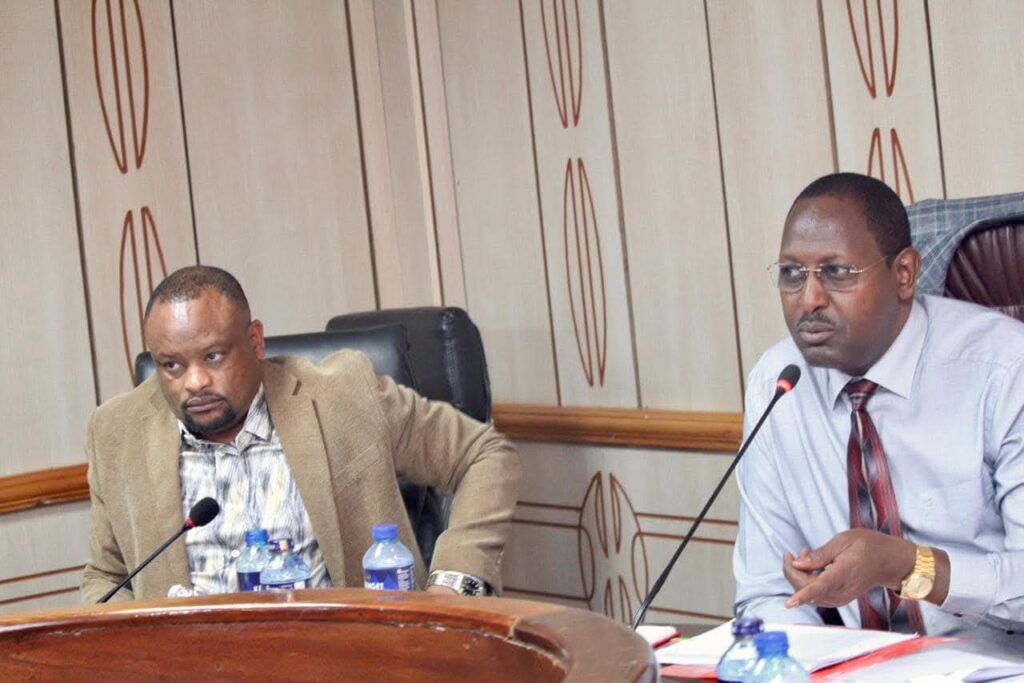
According to the PS, the institute currently produces 45 million vaccine doses annually against a national demand of 80 million doses, leaving a significant supply gap.
He emphasized that while Kenya’s livestock vaccine demand continues to rise, KEVEVAPI’s outdated infrastructure and limited production capacity have constrained its ability to meet both local and export needs.
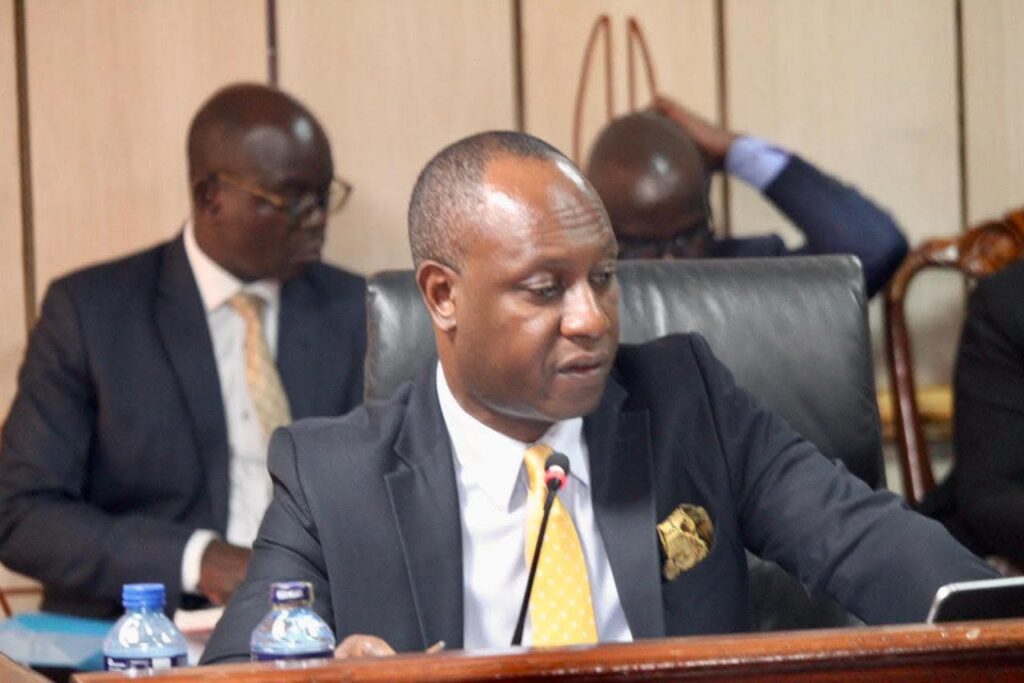
“Our appeal to this Committee is to help us secure resources to modernize KEVEVAPI and expand its production capacity for both domestic use and export markets. We are currently exporting to only 13 countries. For 14 years, we have sought funding without success. We request that this Committee prioritizes resource allocation towards the modernization of KEVEVAPI,” Mueke stated.
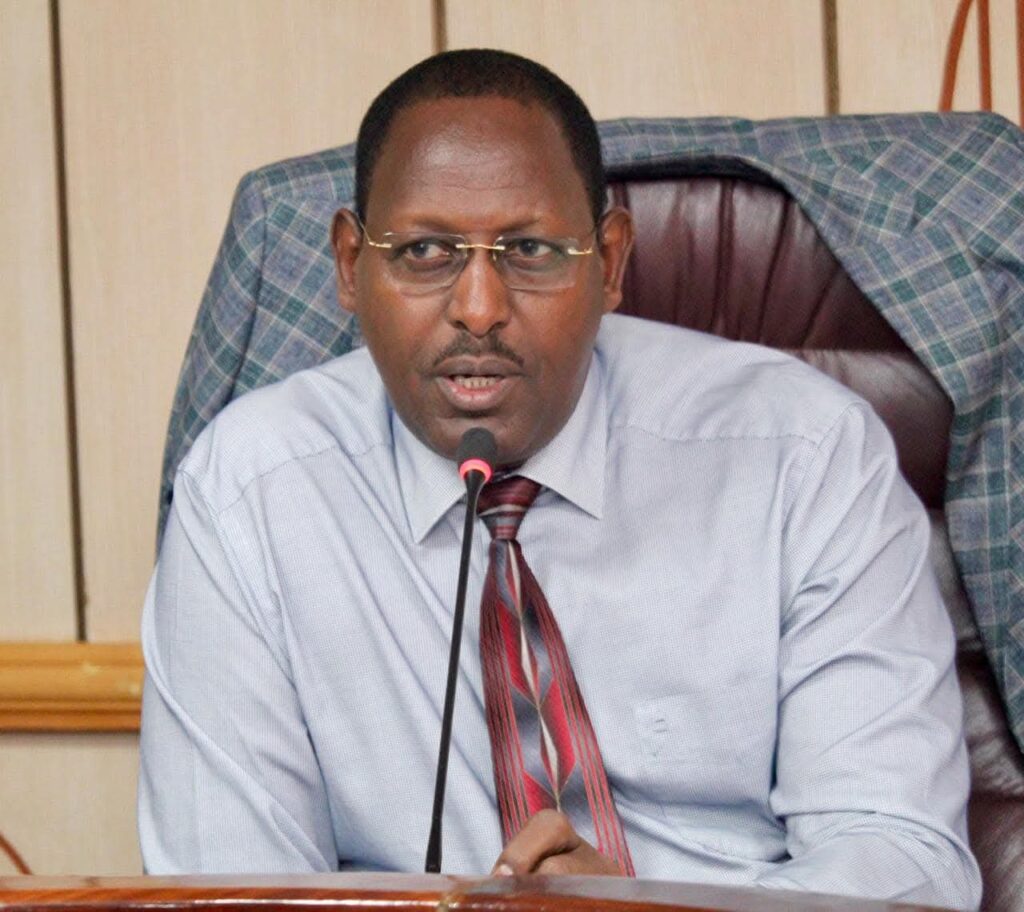
The session was chaired by Tigania West MP, John Mutunga, who is the Chairperson of the Agriculture and Livestock Committee.
Committee member John Makali backed the call for urgent intervention, revealing that he had personally visited KEVEVAPI and assessed its equipment.
“The machinery and equipment are completely obsolete. Considering the potential of KEVEVAPI and the large vaccine market in East and Central Africa, don’t you think it is time we seriously prioritize strengthening this institution? We have consistently stated that vaccine production is a key national priority,” Makali said.
Reacting to the concerns raised on underfunding and resource gaps, Committee Vice-Chairperson Brighton Yegon commended PS Mueke for managing operations under constrained funding. However, he advised the department to leverage the approved Appropriations-in-Aid (AIA) amounting to Ksh 2.3 billion to partially address the shortfall.
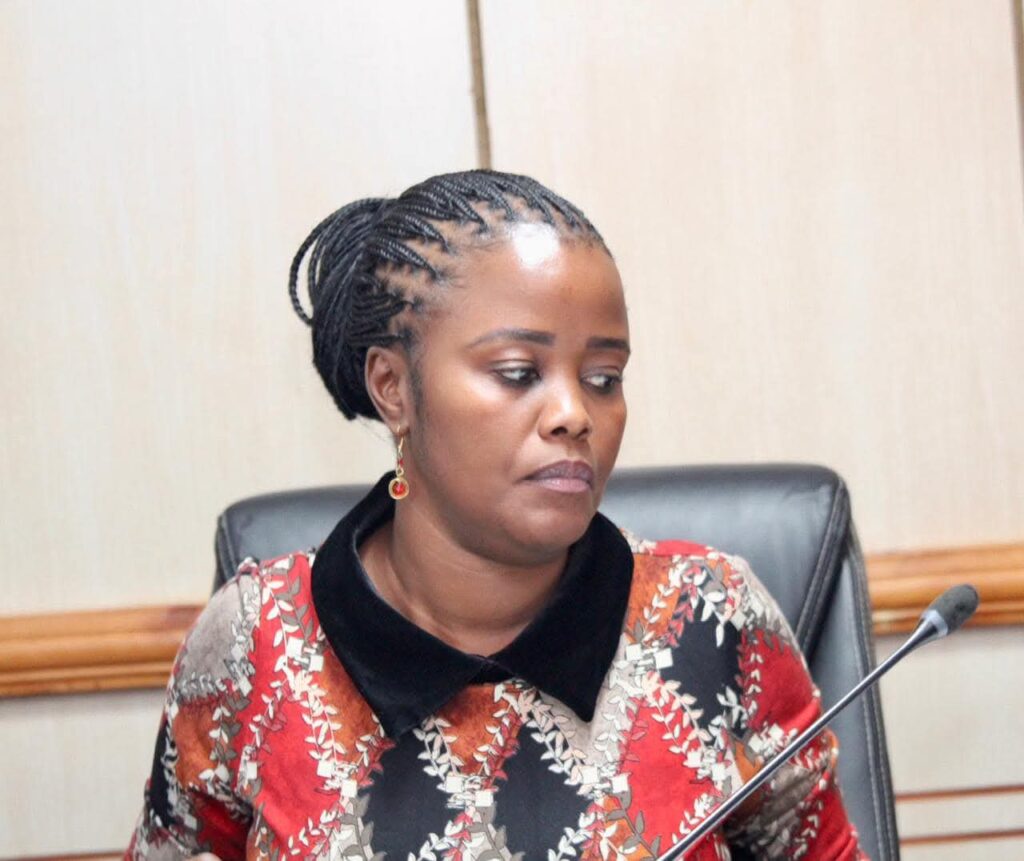
During the meeting, legislators also sought clarification on the distribution of milk coolers across constituencies, questioning the criteria used and the beneficiaries targeted under the program.
Earlier, the Committee had engaged Agriculture Cabinet Secretary Mutahi Kagwe, who expressed concern over what he described as a disconnect between the Ministry’s priorities and allocations made by the National Treasury.
“Even within the limited resources available, there is a clear mismatch between what we propose and agree upon with the National Treasury and Parliament and what is ultimately allocated to the Ministry. At times, allocations do not reflect our stated priorities. There is also a need for clarity between the two State Departments during the budgeting process,” Kagwe said.
The CS appeared before the Committee alongside Agriculture Principal Secretary Paul Rono.
The renewed push for KEVEVAPI funding comes amid growing calls to strengthen Kenya’s livestock value chain, enhance vaccine self-sufficiency, and position the country as a regional hub for veterinary vaccine production.
