


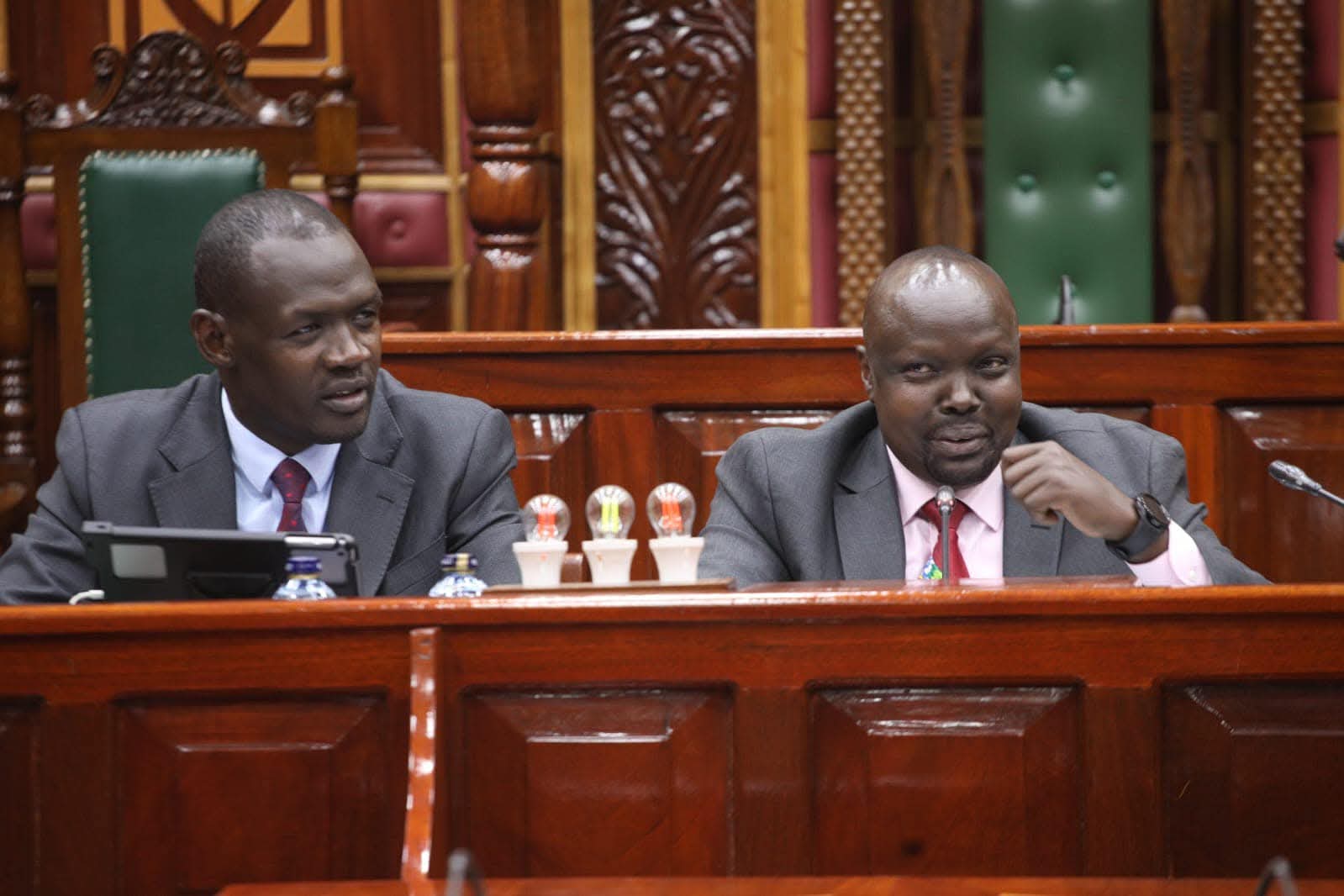
Lawmakers have questioned Kenya’s energy sector leaders over growing government arrears to Kenya Power and Lighting PLC (KPLC) and the performance of mini-grid infrastructure, amid concerns about service delivery in rural areas.
The Public Investments Committee on Commercial Affairs and Energy (PIC-CA&E) convened a round-table meeting that included Permanent Secretaries from the National Treasury and Energy and Petroleum, the Director-General of the Energy and Petroleum Regulatory Authority (EPRA), and heads of KPLC, the Rural Electrification and Renewable Energy Corporation (REREC), and the Kenya Electricity Transmission Company.
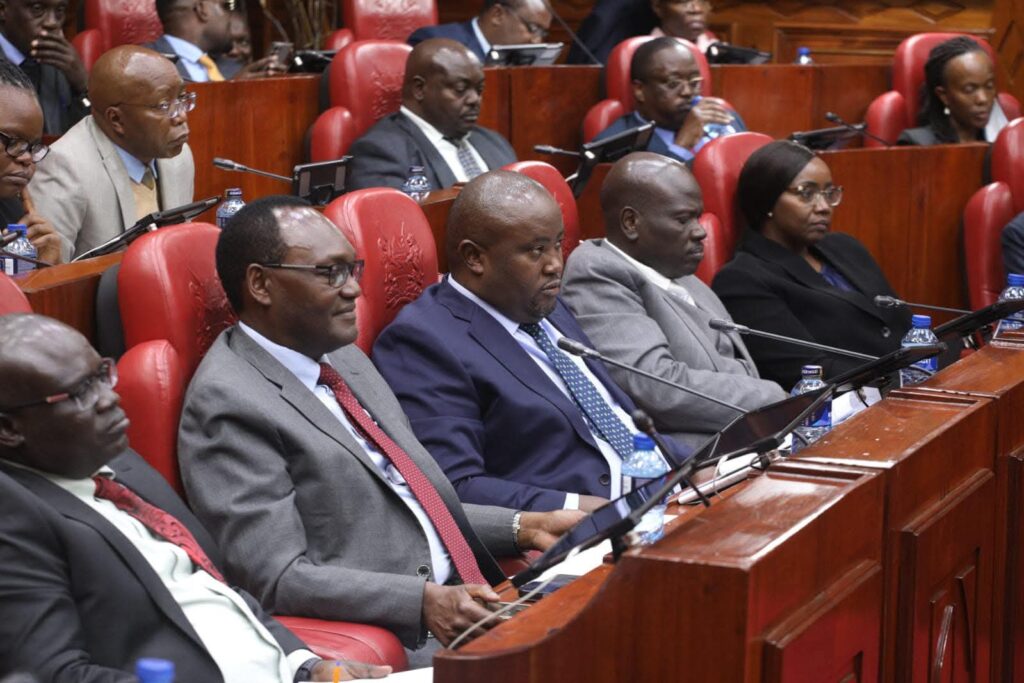
According to Auditor-General reports covering 2018/19 to 2022/23, persistent load-shedding, especially in off-grid areas, has limited access to reliable electricity and slowed socio-economic development.
National Treasury PS Dr. Chris Kiptoo told MPs that the Rural Electrification Scheme (RES) deficit increased from Ksh 9.2 billion in 2008 to Ksh 30.9 billion in 2024, though repayments had reduced the balance to Ksh 25.33 billion by June 2024. He proposed raising allocations from Sh 261 million to Sh 1.661 billion in the 2025/2026 budget, alongside a five-year amortization plan via EPRA tariff recoveries, aiming to reduce the deficit by Sh 7.3 billion next year.
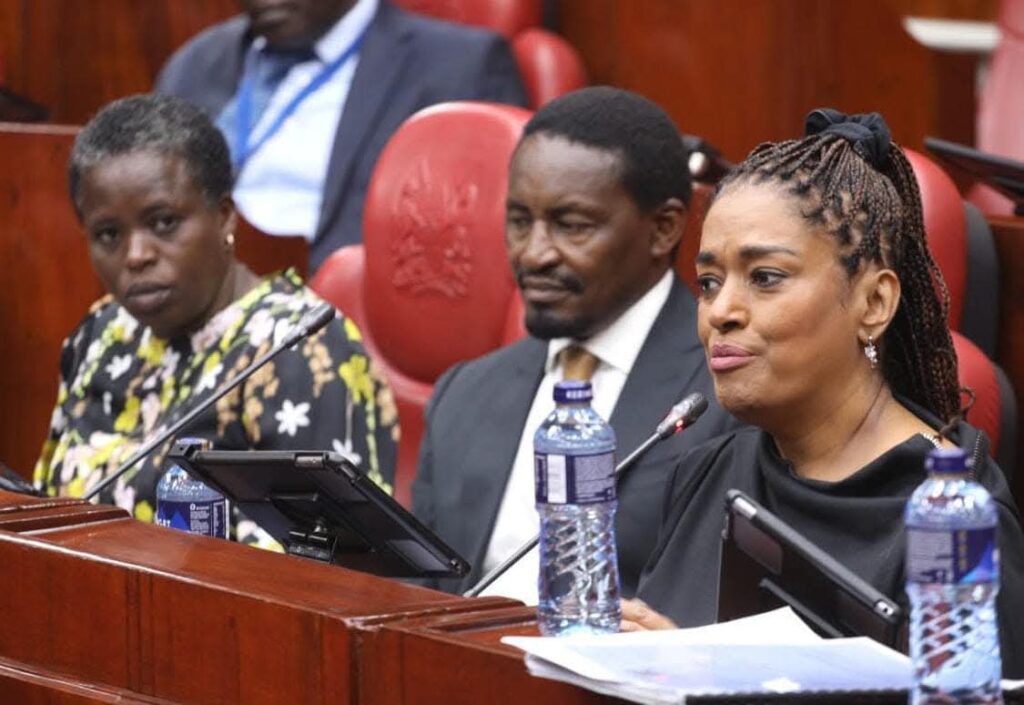
Committee Chair Pokot South MP David Pkosing and other members raised concerns over 56 mini-grid stations operated by KPLC, including 30 hybrid diesel/solar units with non-functional lithium batteries. REREC will take over management and replace faulty infrastructure at an estimated cost of Sh 5.2 billion over two years.
Soyi MP David Kiplagat noted that electricity is a social necessity and urged exploration of alternative funding mechanisms, such as a modest fuel or diesel levy, to support the Rural Electrification Scheme without affecting essential public services.
The Committee also questioned Kenya Electricity Generating Company (KenGen) over recruitment practices, highlighting the hiring of 38 graduate engineers in 2020/21 without public advertisement. KenGen MD Eng. Peter Njenga explained that the recruitment responded to urgent drilling contracts in Ethiopia and Djibouti and followed internal HR policies, including interviews, certificate verification, and medical checks.
Lawmakers requested further details on the Ethiopia–Djibouti contract, the staff recruited, and the management at the time to establish whether the actions complied with regulations and public service standards.
The session underscored Parliament’s commitment to ensuring accountability, improving service delivery, and safeguarding public resources in the energy sector.
