




The Chief Executive Officer of Ol Pejeta Conservancy, Justin Heath, has been arrested following a multi-agency security operation that uncovered elephant tusks, a dried lion skin and more than 1,400 rounds of ammunition at the wildlife conservation facility in Laikipia County.
Heath was arrested following an operation involving detectives from the Directorate of Criminal Investigations (DCI) in Laikipia and Kenya Wildlife Service (KWS) officers drawn from Laikipia and Nairobi.
The operation, which included a search of his residential premises and the conservancy’s armoury, resulted in the recovery of two elephant tusks weighing a combined 59.6 kilogrammes and estimated to be worth approximately KSh3.2 million.
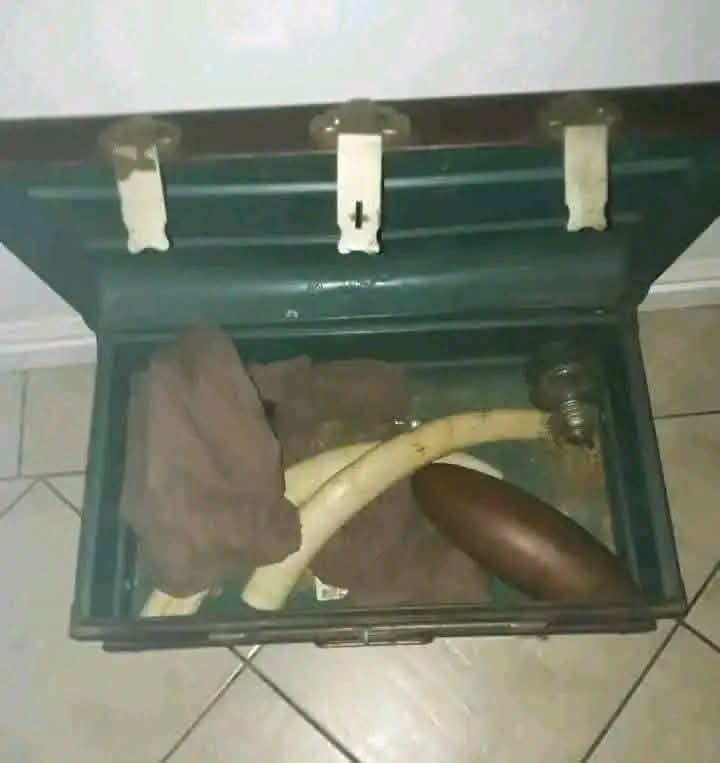
According to reports detailing the operation, the tusks weighed 31.10 kilogrammes and 28.50 kilogrammes respectively.
Officers also recovered a dried lion skin, which investigators reportedly said had not been declared or surrendered to KWS within the stipulated 72-hour period.
The discoveries have raised questions about the handling, documentation and accountability of wildlife trophies within a conservation institution entrusted with protecting some of Kenya’s most endangered species.
1,465 Rounds Of Ammunition Recovered
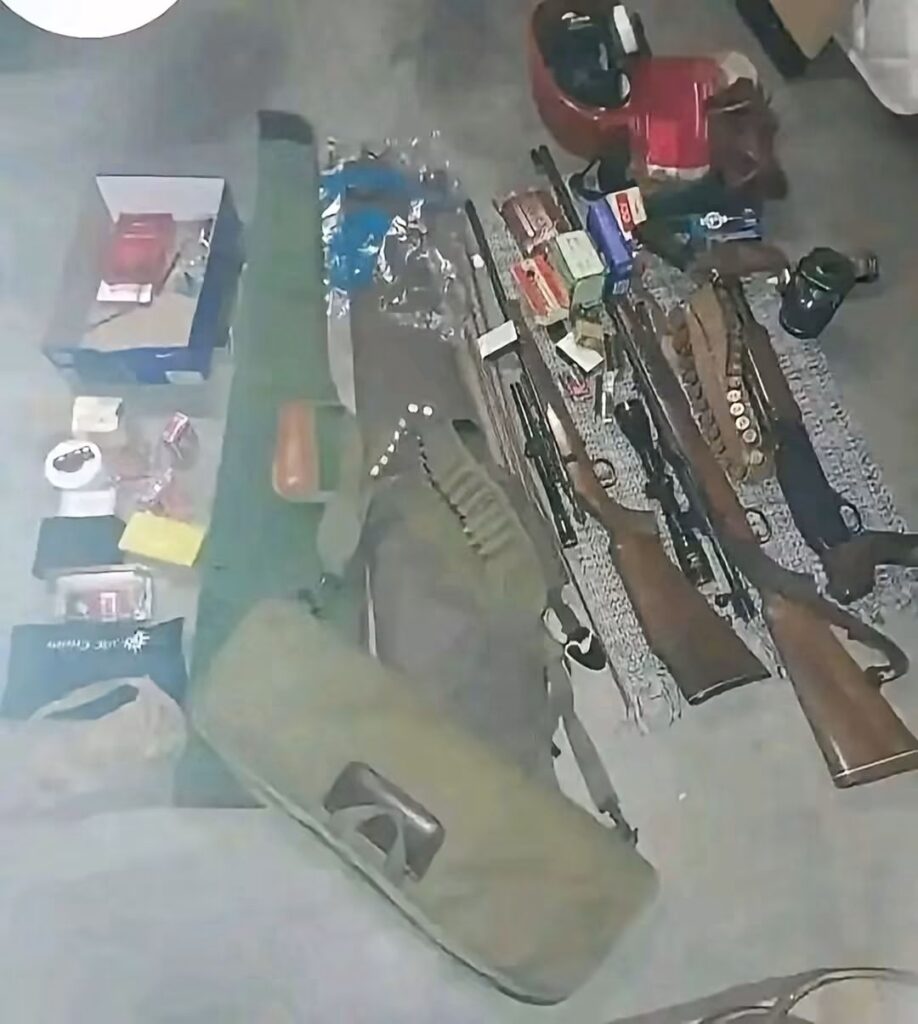
In a separate discovery, detectives reportedly recovered 1,465 rounds of 12-bore ammunition from the boot of a vehicle parked at Heath’s residence.
Investigators reportedly said Heath told them that he had forgotten the ammunition in the vehicle while travelling to the United States.
However, he allegedly failed to produce purchase receipts to establish its lawful acquisition, while the ammunition was reportedly not listed in the conservancy’s firearms certificate.
The recovered ammunition was subsequently secured at the Nanyuki Police Station armoury as an exhibit.
Meanwhile, the two elephant tusks were taken to the KWS station in Nanyuki.
Two Suspected Offences Under Investigation
Heath was reportedly detained in connection with two suspected offences.
The first relates to alleged possession of wildlife trophies belonging to endangered species without a permit or exemption certificate issued by the Director-General of KWS, contrary to Section 92(4) of the Wildlife Conservation and Management Act.
The second concerns alleged failure to ensure proper storage of firearms and ammunition, contrary to Section 18(3), as read together with Section 18(4) of the Firearms Act.
Investigations into the circumstances surrounding the recovered items are ongoing.
It was not immediately established how the elephant tusks and lion skin came into the conservancy’s possession, or whether they had any authorised conservation or evidentiary purpose.
There was also no immediate public response from Heath or his legal representatives regarding the allegations.
Spotlight On Wildlife Conservation Accountability
The arrest places renewed attention on the management of wildlife trophies and firearms within Kenya’s conservation sector.
Ol Pejeta Conservancy, located in Laikipia County, is internationally recognised for its wildlife protection work, including its role in protecting endangered rhino populations.
The institution is also home to the world’s last two northern white rhinos, making it an important player in international wildlife conservation efforts.
Kenya has maintained strict legal protections against the illegal possession and trade of wildlife trophies, particularly elephant ivory, as authorities continue efforts to combat poaching and wildlife trafficking.
The latest incident raises questions about compliance with wildlife protection regulations, including the proper documentation and reporting of recovered animal trophies, as investigations seek to establish the circumstances surrounding the discoveries.
Heath remains entitled to the presumption of innocence, and the allegations against him have not been established in court.
