



When Governor Dr. Julius Malombe was asked what he hopes the people of Kitui will remember him for when his term comes to an end in 2027, he did not single out one flagship project or one defining achievement.
Instead, he challenged residents to judge his leadership by the overall transformation of the county through projects, public service delivery and improved accountability.
Speaking during the signing of the 2025/2026 Performance Contracts by County Executive Committee Members and Chief Officers, Malombe told Channel 15 News Senior Editor Erastus Maleve that the true measure of his administration would be the impact of its work on the lives of ordinary wananchi.

“My legacy speaks for itself,” the governor said.
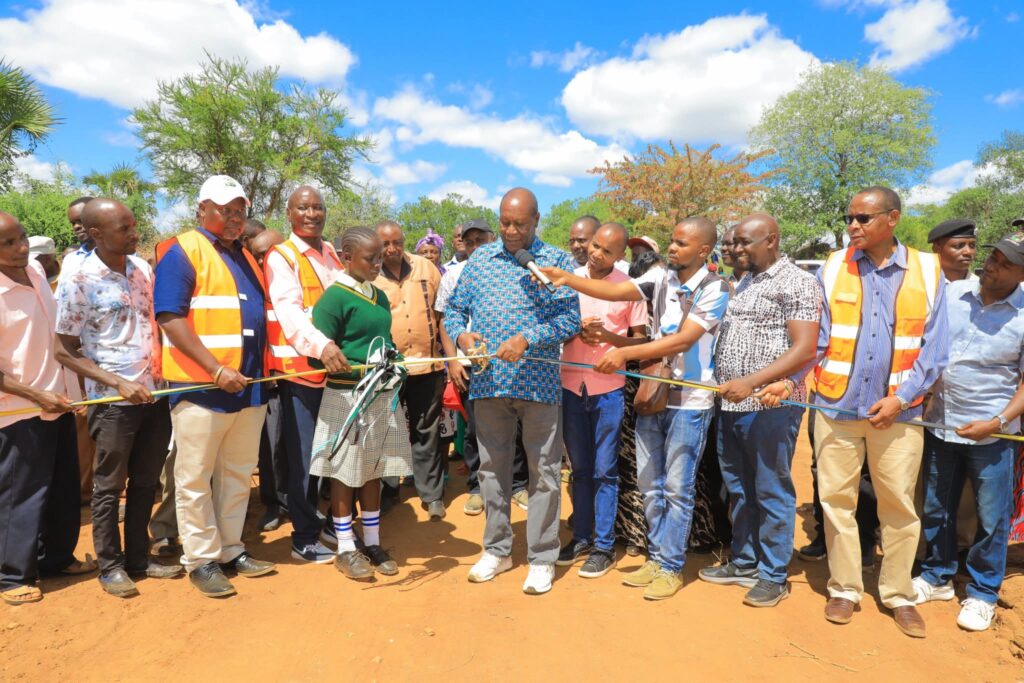
It is a statement backed, according to the county government, by a development programme that has touched every corner of Kitui. Since returning to office in 2022, Malombe says his administration has implemented 2,931 development projects across the county’s 40 wards and 247 villages, focusing on sectors that directly influence the quality of life of residents.
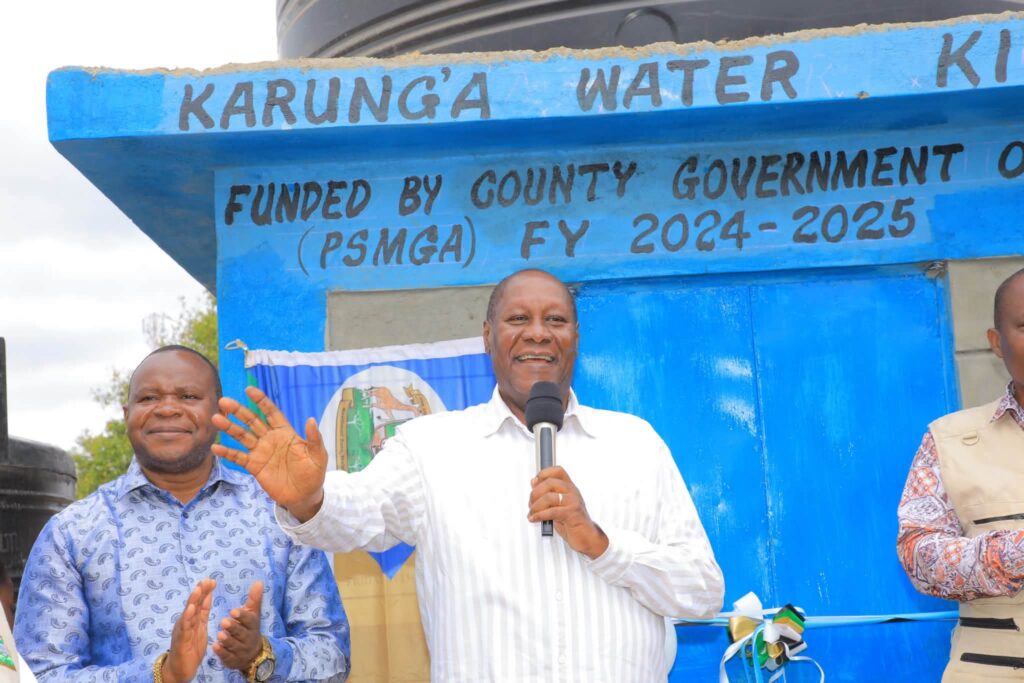
At the centre of that development agenda has been the fight against chronic water scarcity. In one of Kenya’s driest counties, the administration has invested in drilling and rehabilitating boreholes, constructing sand dams, earth dams, water pans, rock catchments and extending water pipelines to communities that have historically struggled to access safe and reliable water. The governor says these investments have reduced the distance families travel in search of water while supporting farming, livestock production and household livelihoods.
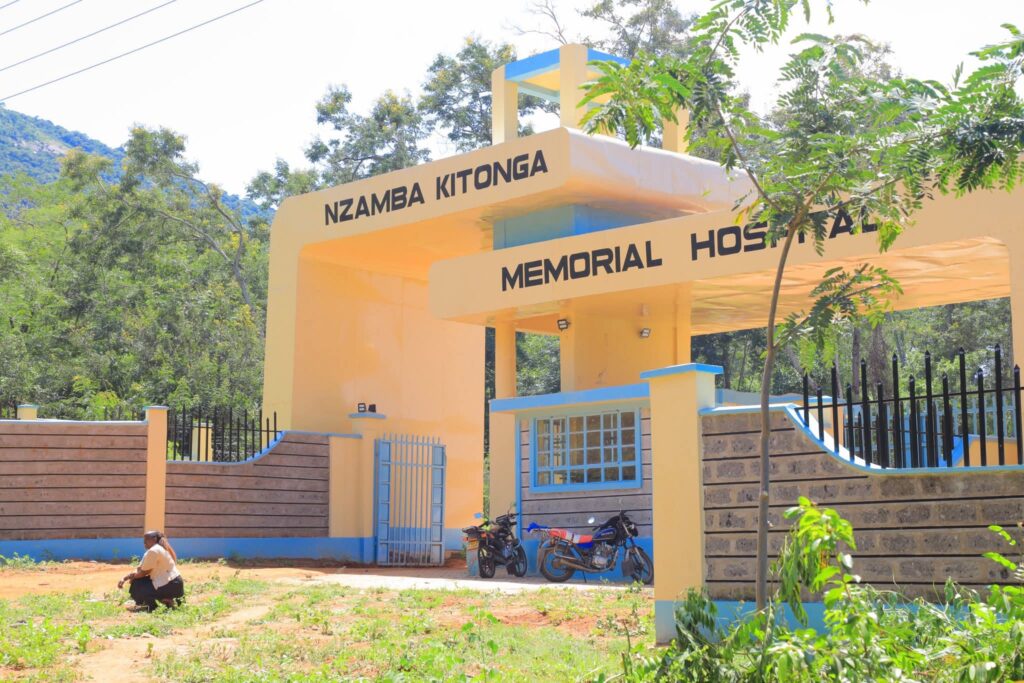
Healthcare is another pillar Malombe believes will define his administration. The county government has invested in upgrading health facilities, expanding specialised medical services, equipping hospitals and strengthening the healthcare workforce. Among the projects highlighted by the administration are improvements at Kitui County Referral Hospital and Mwingi Level IV Hospital, alongside investments aimed at bringing quality healthcare closer to residents across the county.
Education has equally featured prominently in the governor’s development agenda. Through continued investment in Early Childhood Development Education, the county has constructed and improved ECDE classrooms, strengthened village polytechnics and improved the welfare of teachers.
The transition of about 1,600 ECDE teachers to improved employment terms remains one of the administration’s key milestones, a move the county says has strengthened early learning and improved teacher motivation.
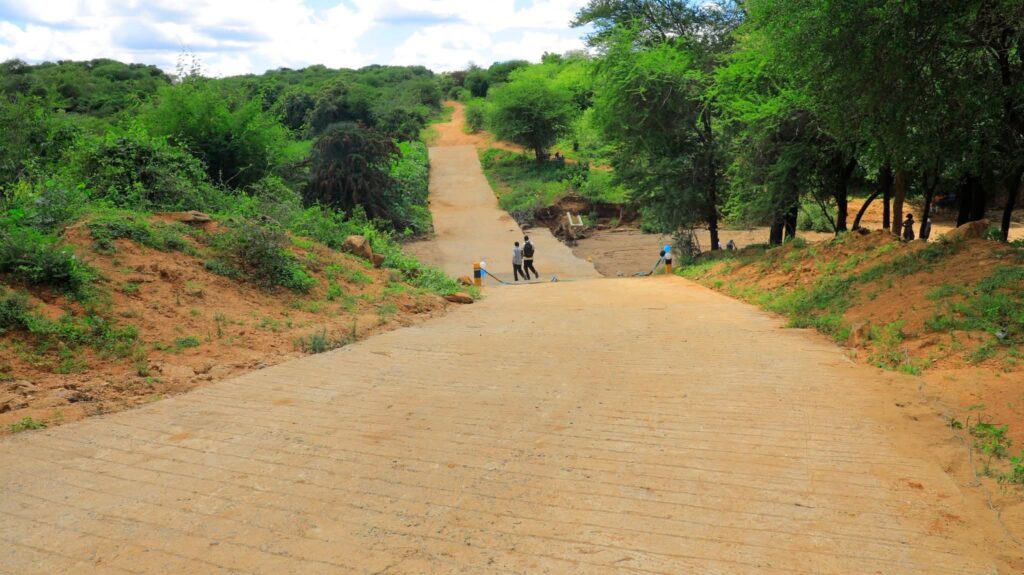
For a county covering more than 30,000 square kilometres, infrastructure has remained another key priority. The administration says it has invested in opening up rural access roads, improving drainage systems and enhancing connectivity to markets, schools and health facilities. Better roads, the governor argues, have not only eased transport but also unlocked economic opportunities for farmers, traders and businesses.
Beyond physical infrastructure, Malombe says strengthening county institutions and public service delivery forms an equally important part of his legacy. The administration has continued recruiting and supporting key personnel in health, education and technical departments while pursuing reforms aimed at improving efficiency and accountability in government.
Perhaps the clearest demonstration of that accountability agenda came with the launch of the Kitui County Infrastructure Projects Dashboard, a digital platform that allows residents to track development projects, their locations and implementation status.
The dashboard, which documents infrastructure projects implemented across the county since the advent of devolution, is intended to give the public direct access to information on how development resources have been invested.
For Malombe, the platform reflects his belief that leadership should be judged through facts rather than political rhetoric.
As Kitui gradually shifts its focus towards the 2027 General Election, the governor says the conversation should not revolve around campaign promises alone, but around the record left behind.
Whether it is access to clean water, improved healthcare, better roads, stronger early childhood education or enhanced public service delivery, Malombe insists the verdict on his leadership rests with the people.
“History will judge leaders by what they leave behind, not by what they say,” the governor said.
And for Julius Malombe, that judgment begins with a simple declaration:
“My legacy speaks for itself.”
