


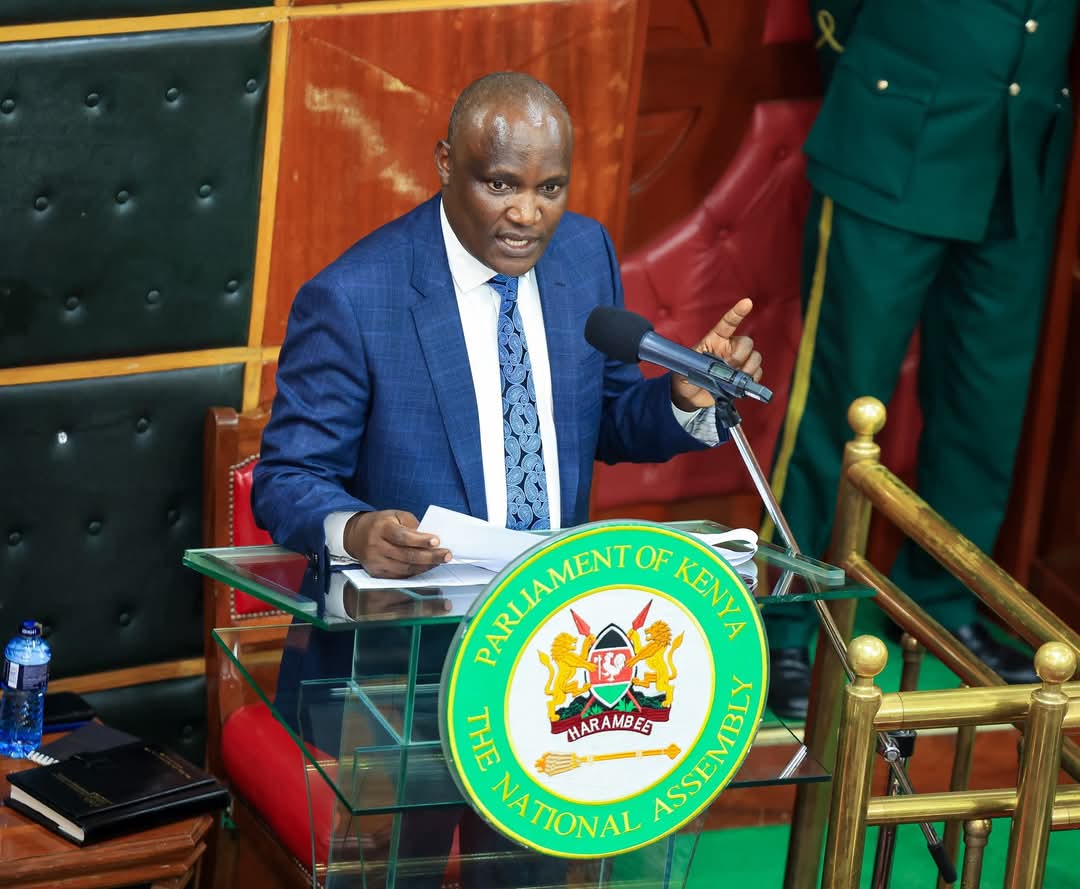
The National Treasury Cabinet Secretary Hon. John Mbadi is scheduled to present the Ksh. 4.239 trillion national budget for the 2025/2026 Financial Year in a joint sitting of Parliament on Thursday, June 12. This will be Mbadi’s maiden Budget Day address since assuming office and is anticipated to set the fiscal tone of President William Ruto’s administration under the Bottom-Up Economic Transformation Agenda (BETA).
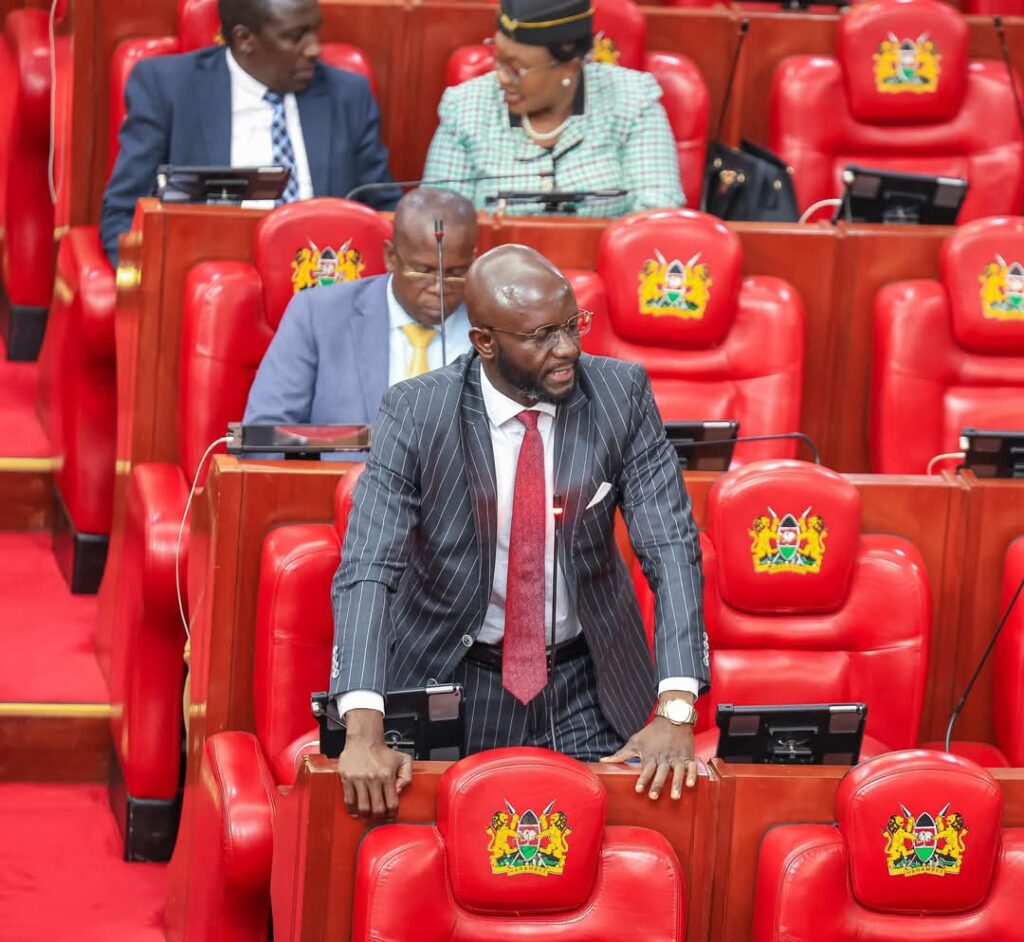
The budget is anchored on the dual pillars of BETA and Vision 2030, seeking to stimulate economic recovery, enhance service delivery, and promote equity amid tight fiscal conditions.
Key Allocations: Education, Infrastructure, and Security Lead
The gross expenditure has been divided into three main segments:
Recurrent expenditure: Ksh. 1.79 trillion
Consolidated Fund Services (CFS): Ksh. 1.337 trillion
Development expenditure: Ksh. 707.8 billion
Education will take the lion’s share of the budget, receiving Ksh. 701.1 billion, equivalent to 28.1% of the national government’s total allocation. The funding will cater for teacher salaries, capitation grants, and infrastructure upgrades in both basic and tertiary education institutions.
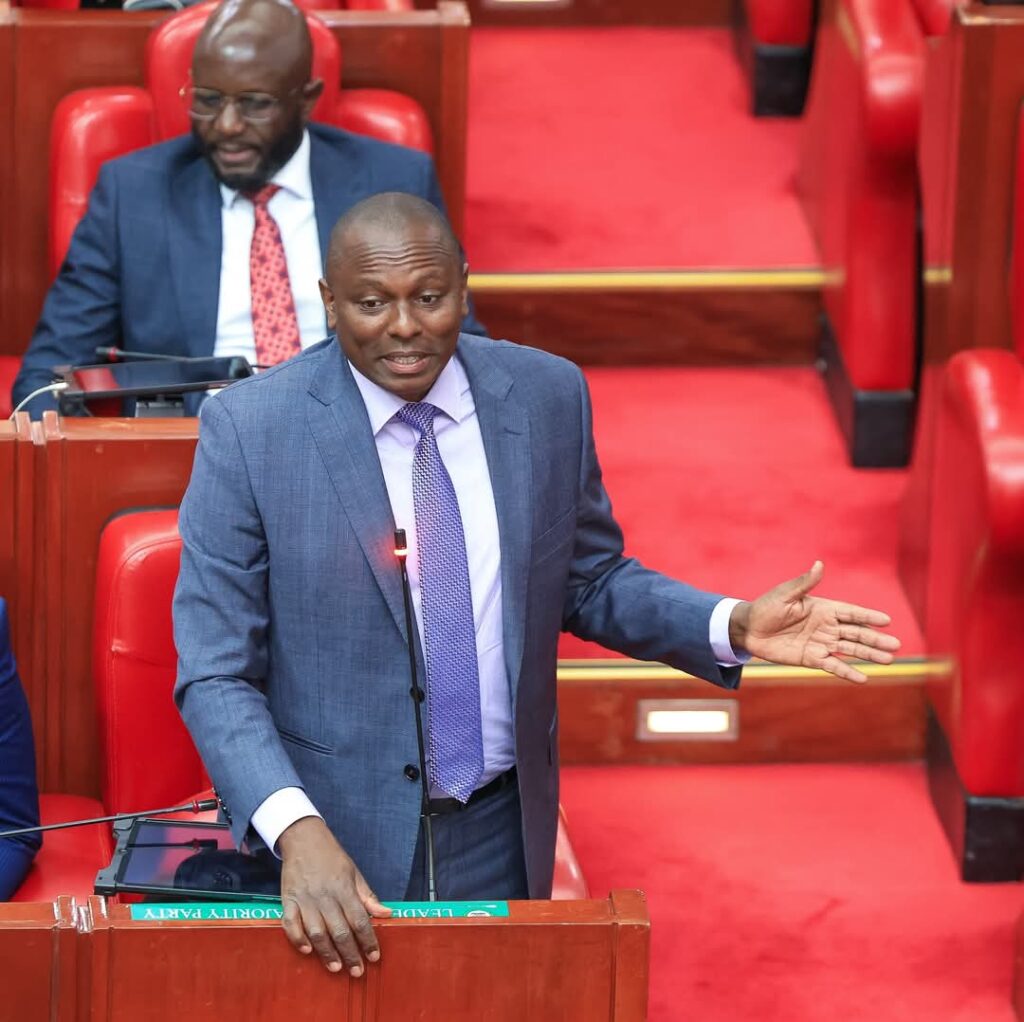
The Energy, Infrastructure, and ICT sector will receive Ksh. 500.7 billion, with roads taking Ksh. 195 billion, housing and urban development Ksh. 119 billion, and the energy and petroleum sector Ksh. 92 billion.
The national security sector is set to receive Ksh. 251 billion, while the health sector will get Ksh. 136.8 billion, of which Ksh. 54 billion is allocated for referral services and Ksh. 16.6 billion for disease control. An additional Ksh. 10 billion will go towards chronic and emergency illness support under the Universal Health Coverage (UHC) initiative.
Agriculture will be allocated Ksh. 78 billion, including Ksh. 8.2 billion for fertilizer subsidies and Ksh. 10.2 billion for value chain development — in line with efforts to improve food security and productivity.
To empower Micro, Small, and Medium Enterprises (MSMEs), the government has set aside over Ksh. 12 billion, targeting County Aggregation and Industrial Parks and business recovery programs. The sector contributes approximately 24% to the national GDP.
Counties will receive an equitable share of Ksh. 405.1 billion, reinforcing the government’s commitment to devolution and improved local service delivery.
Focus on Jobs, Housing, and the Digital Economy
The government plans to deliver over 215,000 affordable housing units and 94,000 hostel beds to stimulate employment and address housing gaps, especially among youth and low-income earners.
The digital economy will benefit from Ksh. 3.7 billion under the Kenya Digital Economy Acceleration Project. The investment targets the installation of 35,000 kilometers of fiber optic cable, connection of 43,000 public institutions, and deployment of 15,000 public Wi-Fi hotspots across the country.
Economic Outlook and Fiscal Concerns
The 2025/2026 Budget is premised on a projected economic growth rate of 5.3%, up from 4.7% in 2024. This growth is expected to be fueled by gains in agriculture, tourism, construction, and ICT sectors.
“This budget must not only support growth but also safeguard the country from debt vulnerabilities,” said Hon. Samuel Atandi, Chairperson of the Budget and Appropriations Committee.
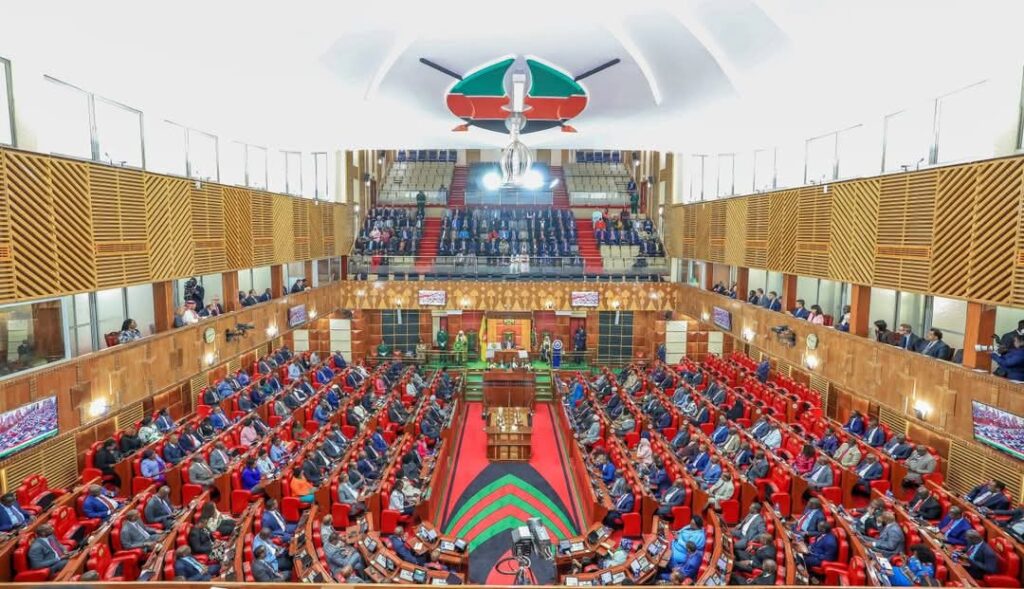
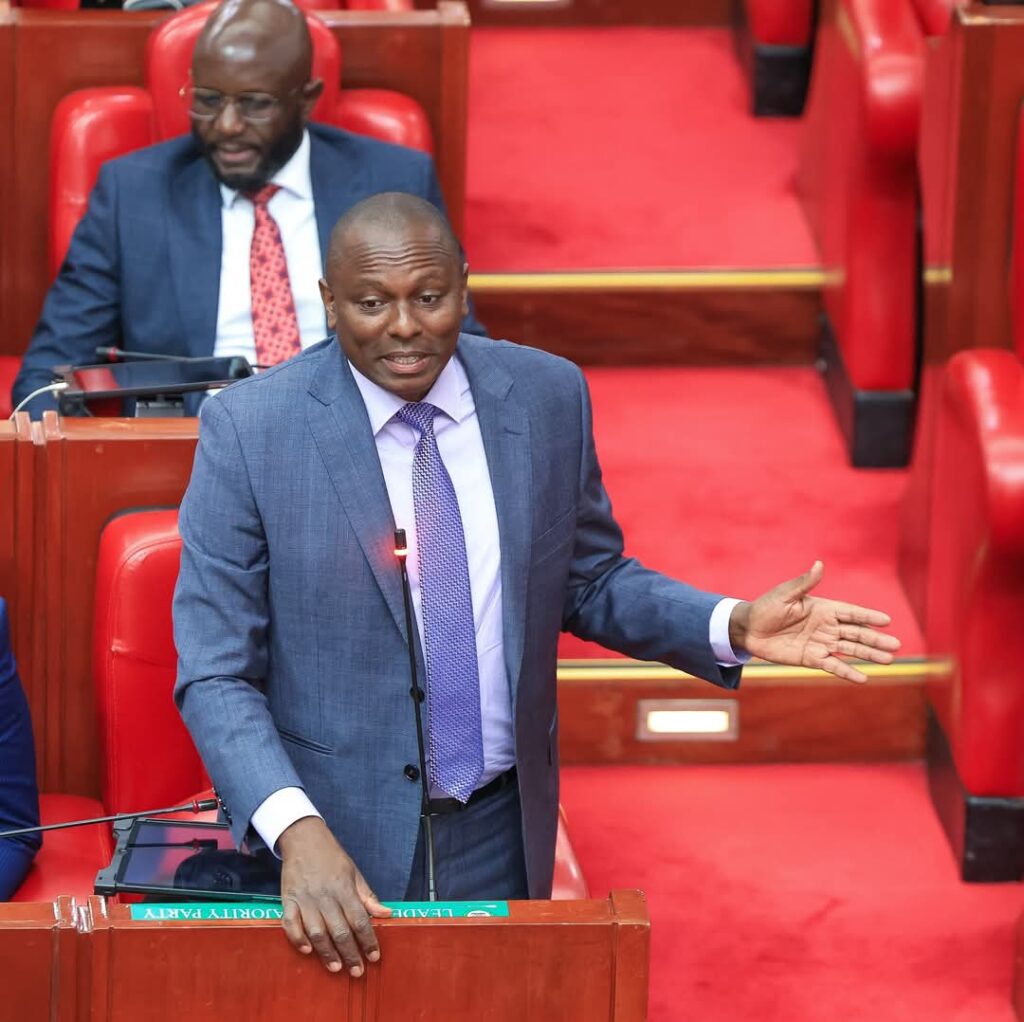
Members of the National Assembly began scrutinizing the estimates last week, with debates centering on spending priorities, fiscal responsibility, and the sustainability of the government’s borrowing framework. The June 12 address by CS Mbadi is expected to outline funding sources, including domestic revenue mobilization strategies and the external borrowing plan, amid mounting public debt and limited fiscal space.
