



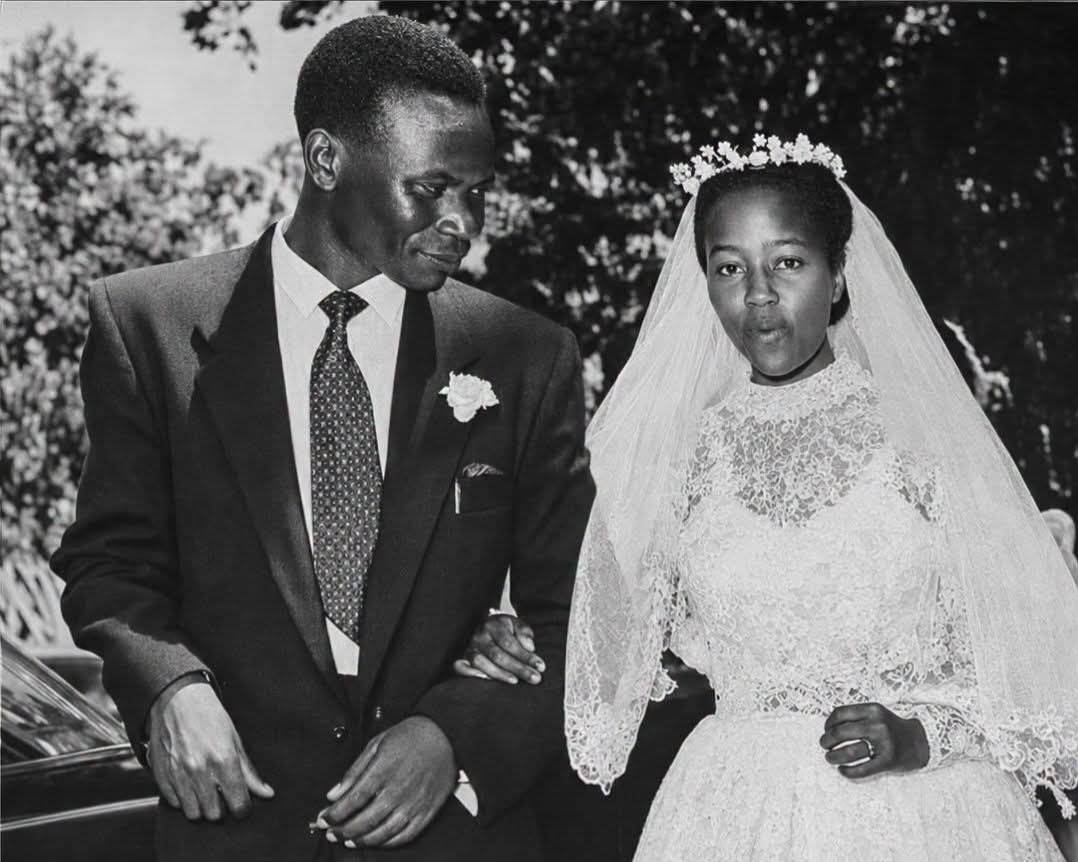
Kitui women have a place in Kenya’s rich social and cultural history, and one fascinating account from 1958 brings that connection into the story of one of the country’s most prominent political families.
Former Vice-President Moody Arthur Awori married Rose, a Kamba woman from Ukambani identified by UK-based Kenyan historian and journalist Levin Opiyo Odhiambo as hailing from Kitui, in March 1958.
Their marriage was not just a union between two individuals from different communities. It also became an interesting chapter in Kenya’s history, connecting the people of Kitui to a family that would later occupy one of the country’s highest political offices.
But perhaps even more remarkable was the involvement of independence hero Tom Mboya, who played an unusually personal role in bringing the couple together on their wedding day.
How Rose From Kitui Became Moody Awori’s Bride
According to Levin’s historical account, Awori and Mboya were close associates long before the wedding.
Their relationship was shaped by the political and nationalist activities of the 1950s, when African leaders and activists were organising for greater political representation and an end to colonial rule.
When Mboya began organising the Nairobi People’s Convention Party in 1957, Awori was among those who attended an early meeting at Desai Memorial Hall on May 12 that year. He reportedly even suggested a name for the political outfit.
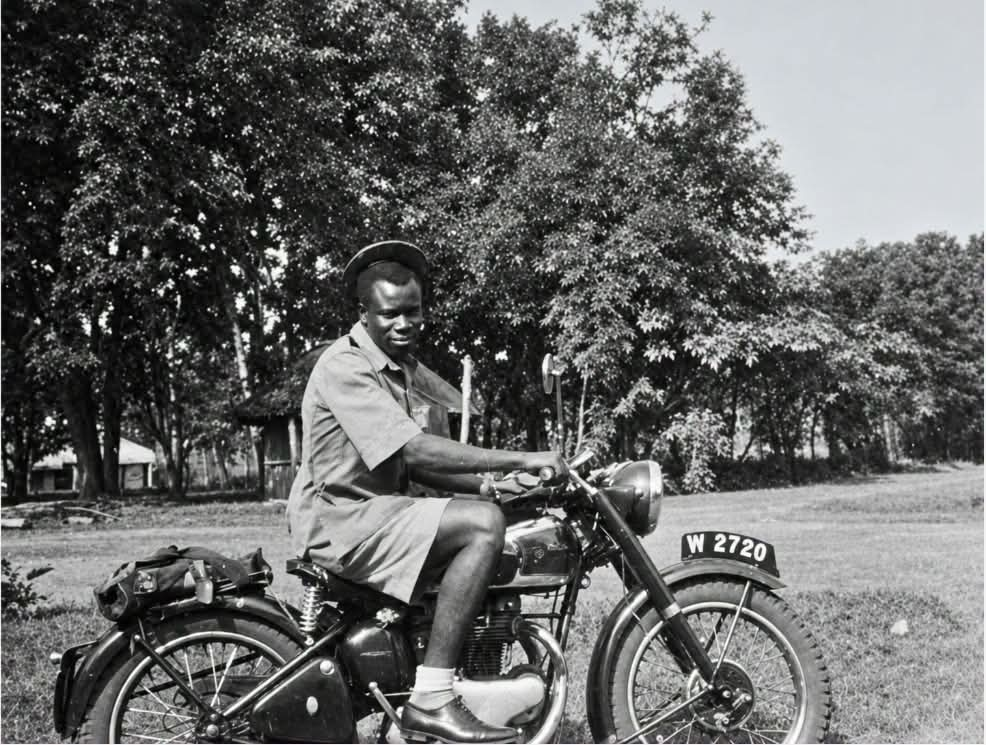
Photo: Moody Awori’s book collection.
The connection also ran through Awori’s family. His elder brother, W.W.W. Awori, and cousin Arthur Ochwada were among Mboya’s associates in the trade union and nationalist movements.
It was this longstanding friendship that saw Mboya entrusted with a special responsibility when Awori decided to marry Rose.
The Day Tom Mboya Was Entrusted With The Bride
On their wedding day in March 1958, Awori made an unusual request to his political friend.
Mboya was asked to collect Rose from her parents’ home in Kaloleni, Nairobi, and drive her to Holy Family Catholic Church near City Hall, where the wedding ceremony was scheduled to take place.
The church was already filled with guests eagerly waiting for the bride and groom.
However, Mboya’s delay nearly turned the joyful occasion into an anxious moment for the groom.
As the minutes passed, Awori reportedly became worried that his friend had not arrived with the bride.
The anxiety was eventually brought to an end when Mboya drove into the church compound almost 30 minutes late, with Rose elegantly dressed in her white wedding gown.
The waiting congregation could finally witness the marriage ceremony.
Mboya Also Took Charge Of The Reception
The celebrations continued at the United Kenya Club in Nairobi, where Mboya took on another important responsibility as the master of ceremonies.
His involvement in the wedding went beyond that of an ordinary guest. He had personally transported the bride and subsequently presided over the reception.
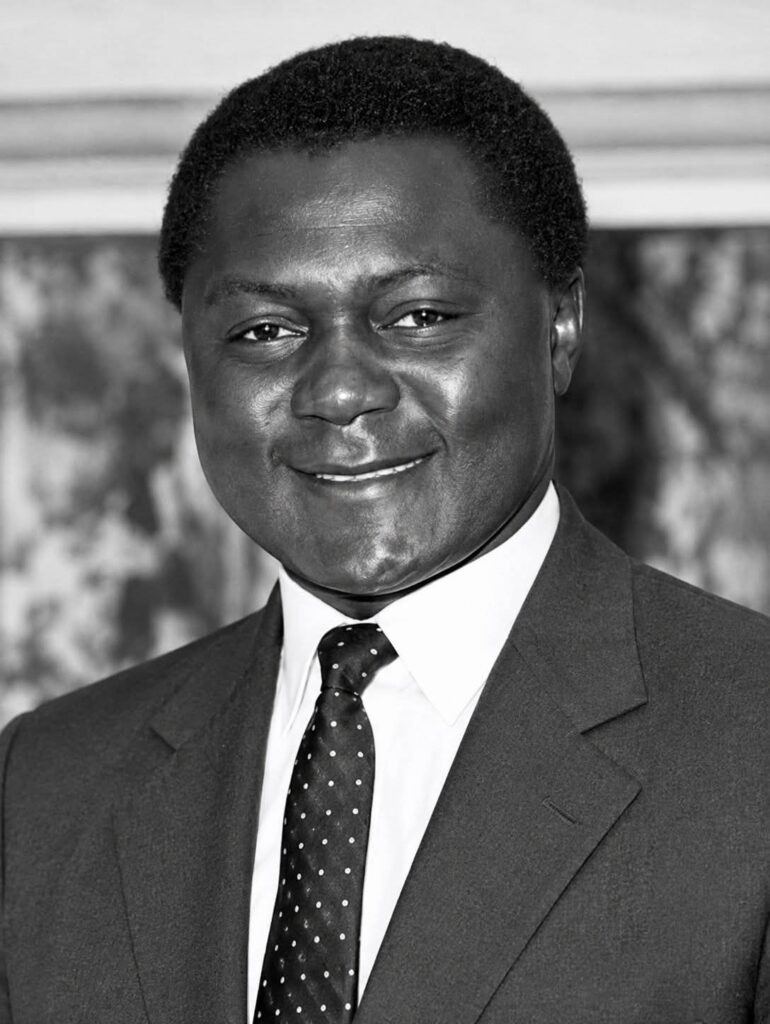
Photo: File
It was a reflection of the friendship between the two men and the close relationships that existed among Kenya’s emerging nationalist generation.
Kitui’s Place In The Story
For Kitui, Rose’s story offers an interesting historical connection to one of Kenya’s former Vice-Presidents.
Her marriage to Awori in 1958 brought together a Kamba woman from Ukambani and a member of the prominent Awori family, years before her husband rose to national political prominence.
In a 2017 Daily Nation interview, Awori himself discussed marrying a Kamba woman as an example of how his generation rejected tribal divisions.
His subsequent journey took him to Parliament, representing Funyula, before he became Kenya’s ninth Vice-President under President Mwai Kibaki in September 2003.
Tom Mboya, meanwhile, rose to become one of the country’s leading independence-era politicians before his assassination in Nairobi on July 5, 1969.
More than six decades later, the story of Rose and Moody Awori remains a fascinating reminder that behind Kenya’s prominent political families are personal relationships and marriages that connect communities across the country.
For Kitui, it is a story worth remembering: a woman identified with the county became part of the family of a man who would eventually serve as Kenya’s Vice-President.
