


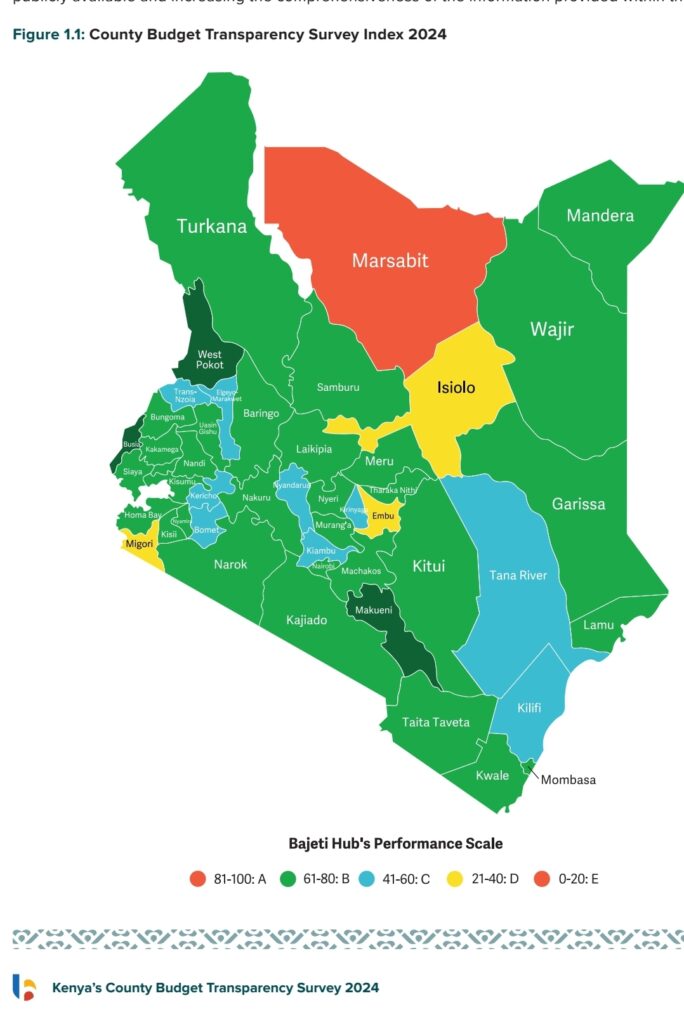
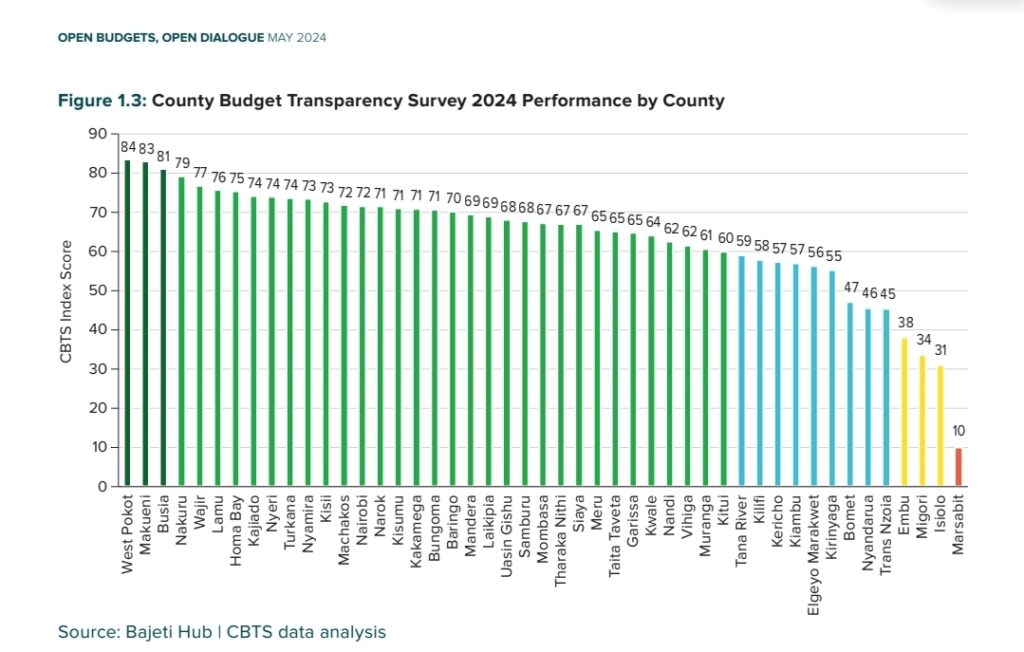
Kitui County has recorded one of the lowest scores in the recently released County Budget Transparency Survey (CBTS) 2024, raising concerns about the state of fiscal openness and citizen engagement in the region. The county scored 60 out of 100 points, placing it among the least transparent counties in the country—well below the top-performing counties and the national average.
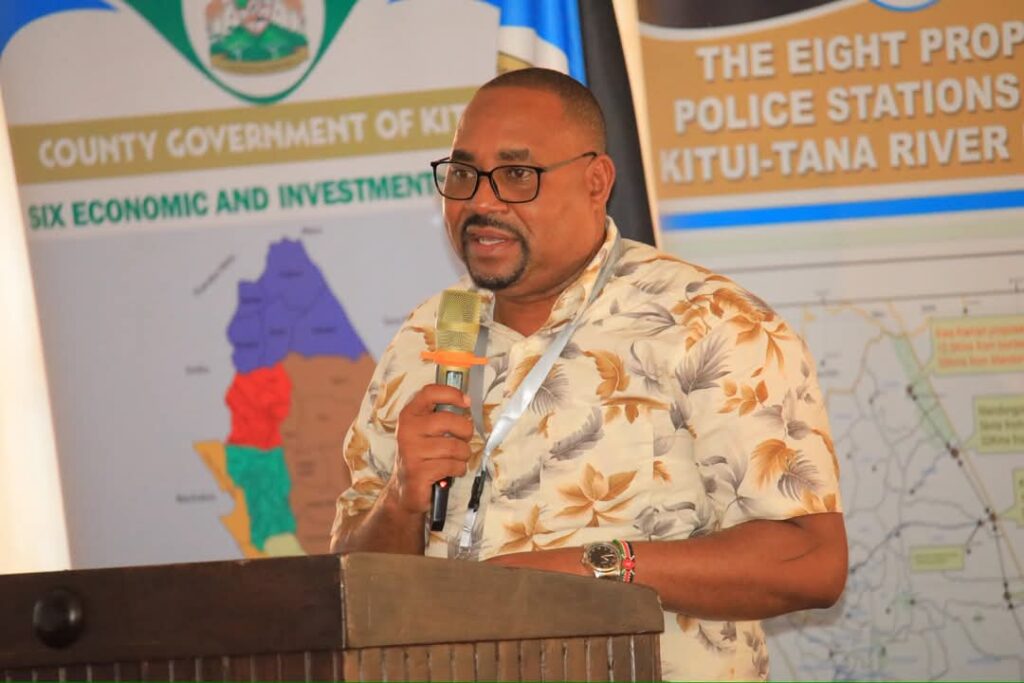
During a budget public participation forum held in April 2025 at the KEFRI grounds in Kitui, residents expressed frustration after they were unable to access key budget documents online. They reported that the county’s official website was down on the same day they were supposed to review and provide input on the budget. Some participants said the site behaved as if it was under a cyber attack, fueling suspicions of possible sabotage or negligence.
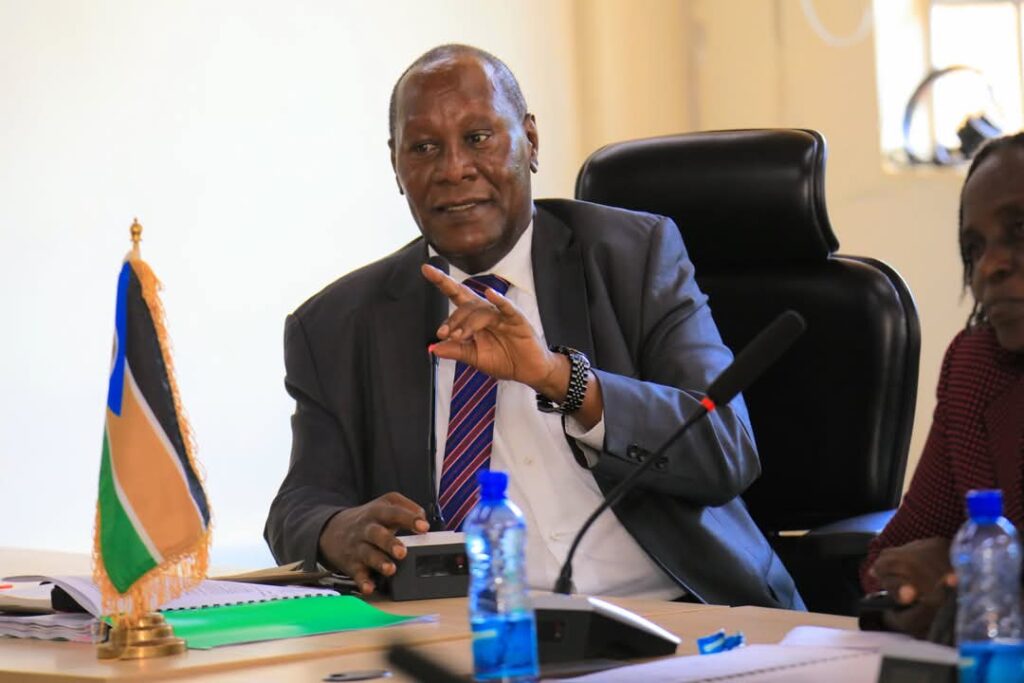
When asked about the website outage, Kitui County Finance Minister Peter Kilonzo said he was not aware of any such cyber incident. “Even if the site was under attack, there is no way that could have negatively influenced the public participation process,” he said, playing down the importance of online access to budget documents, despite the legal obligations for transparency under the Public Finance Management Act.

In stark contrast, Makueni County was ranked among the top three most transparent counties nationwide, earning 83 out of 100 points. The county was lauded for its consistency in publishing all ten key budget documents required by law, as well as for promoting public participation and feedback mechanisms.
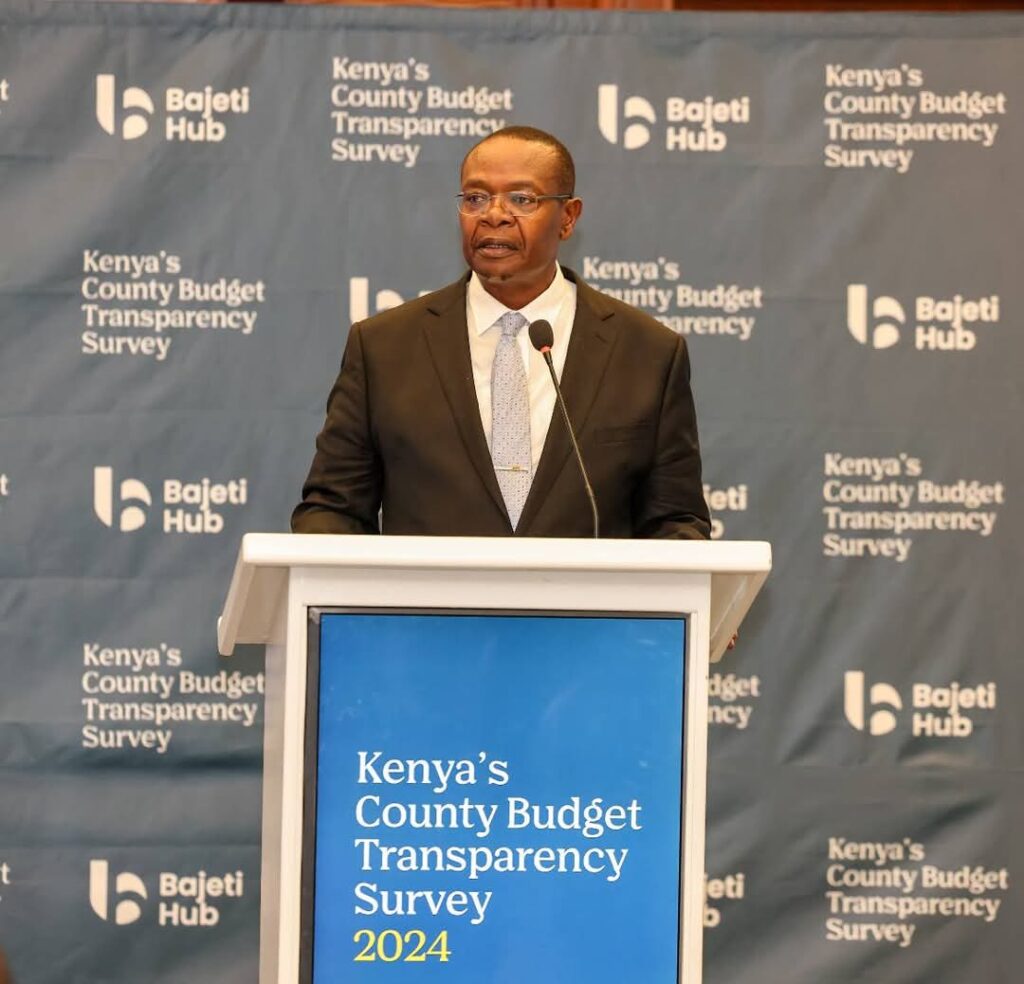
The CBTS 2024 report shows that West Pokot topped the rankings with 84 points, followed by Makueni and Busia with 83 and 81 points respectively. The survey, conducted annually by Bajeti Hub, is one of the most comprehensive assessments of public finance management at the sub-national level in Kenya.
According to the report:
The national average score improved to 64 out of 100, up from 56 in CBTS 2023.
33 counties improved their scores, and 72% of counties scored above 60 points.
However, citizen participation remained low, with a score of 12 out of 100.
The County Fiscal Strategy Paper was the most frequently published document, while citizen feedback and participation documentation remained inconsistent.
Eight counties have never published key budget documents since the survey began in 2020.
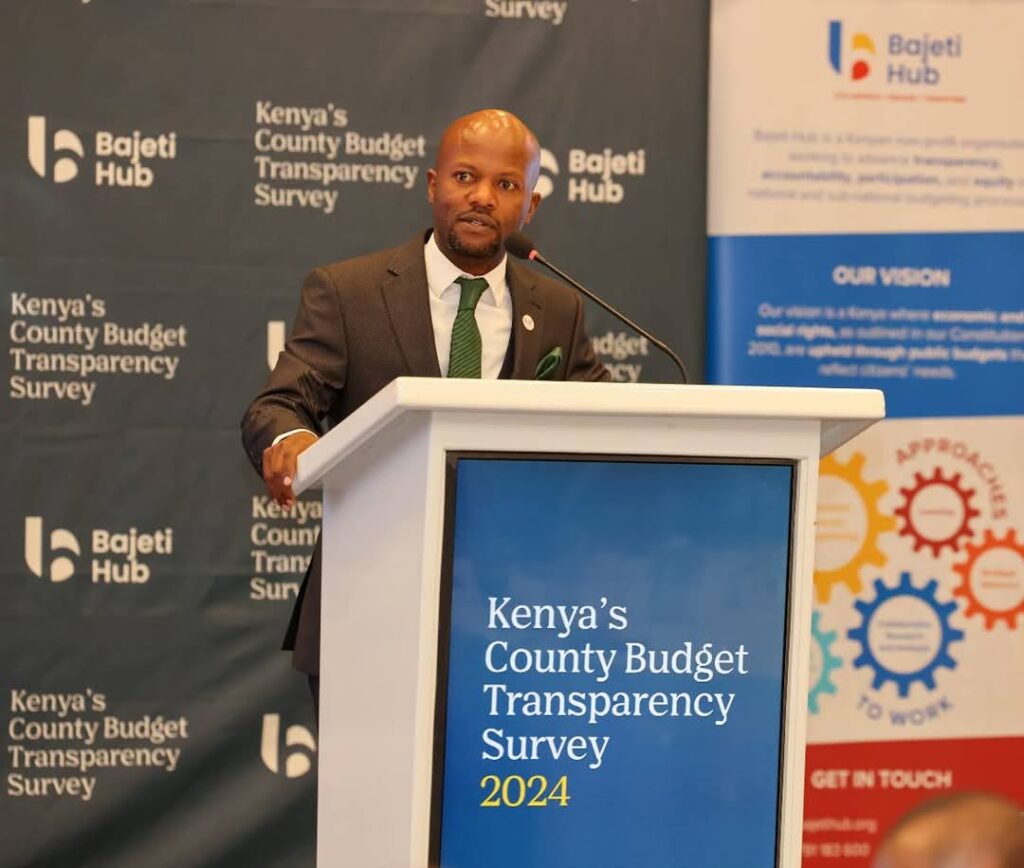
Dr. Abraham Rugo Muriu, Executive Director of Bajeti Hub, emphasized the importance of the survey in shaping accountability:
“We hope these findings are useful to both state and non-state actors, leading to more productive deliberations and accountability on the use of public funds.”
The CBTS report is the product of collaboration between national and county-level civil society organizations, with the support of 32 field researchers who gathered data on the ground. Their work helps provide a clearer picture of how devolved governments manage and share financial information with the public.
As counties prepare for the next budget cycle, the message from CBTS 2024 is clear: transparency is improving nationwide—but critical gaps remain, especially in public engagement and access to information.
