


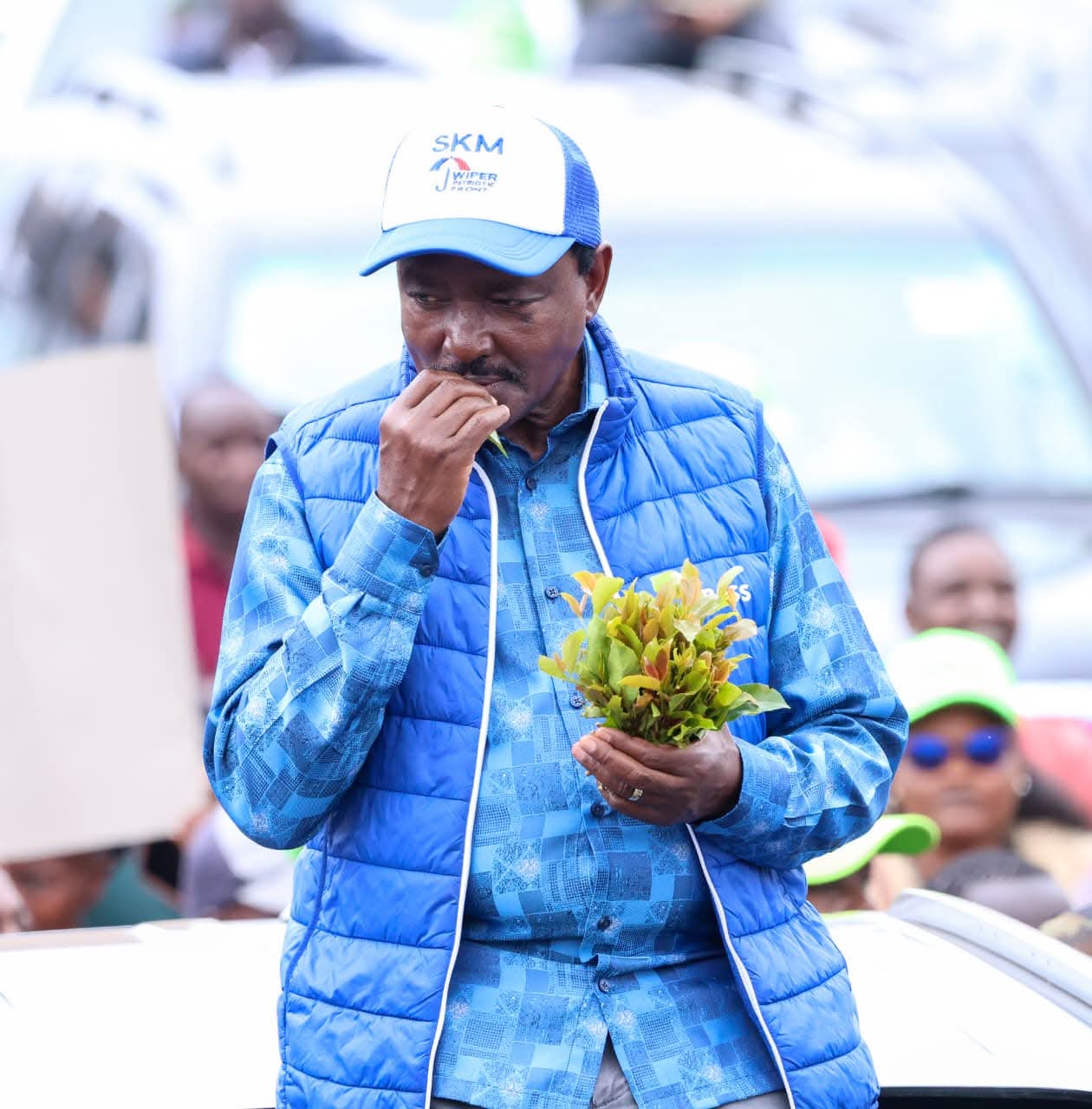
A fresh political storm is sweeping across Ukambani, threatening to loosen the once firm grip of Wiper Party leader Kalonzo Musyoka and potentially reshaping the region’s political landscape ahead of the 2027 General Election.
For decades, Kalonzo has been regarded as the undisputed kingpin of Ukambani politics. But recent developments on the ground suggest a growing rebellion against his dominance, with emerging political formations, influential leaders, and grassroots mobilisers steadily carving out alternative centres of power.
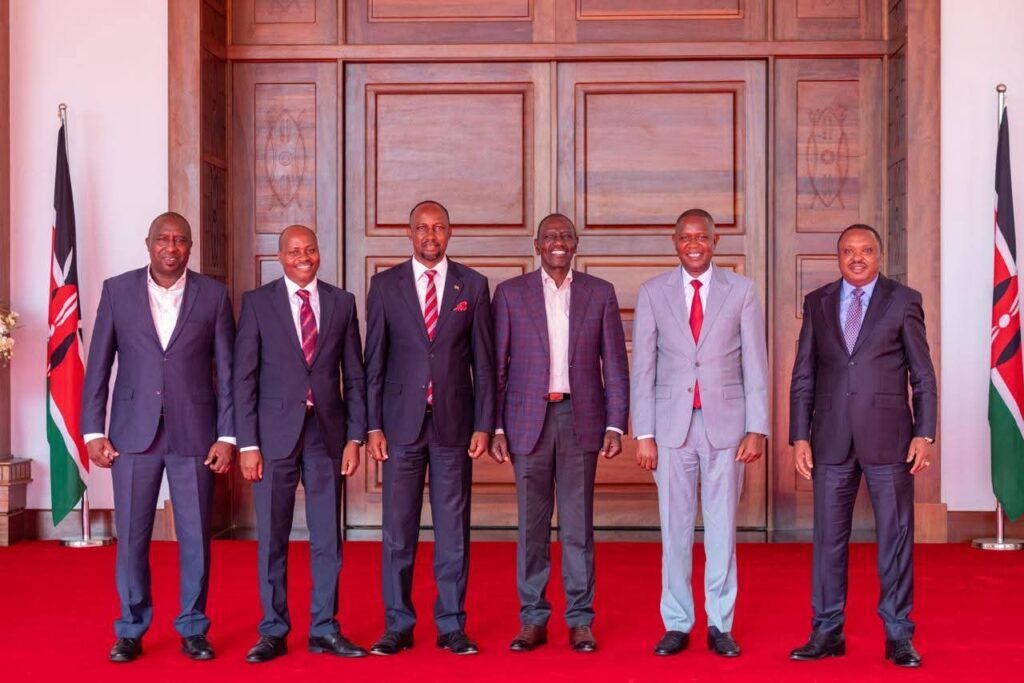
The latest political tremors were felt when Mwengi Mutuse, the MP for Kibwezi West, led a delegation of Maendeleo Chap Chap leaders and community figures to State House for a meeting with President William Ruto. The visit signaled a bold political statement: that a section of Ukambani leaders is ready to chart a new path outside Kalonzo’s shadow.
Before the dust could settle, another dramatic development unfolded in Kitui. Kevin Kinengo, the Speaker of the Kitui County Assembly and a member of Wiper, mobilised a majority of Members of the County Assembly—many elected on Wiper tickets—for a similar visit to State House.
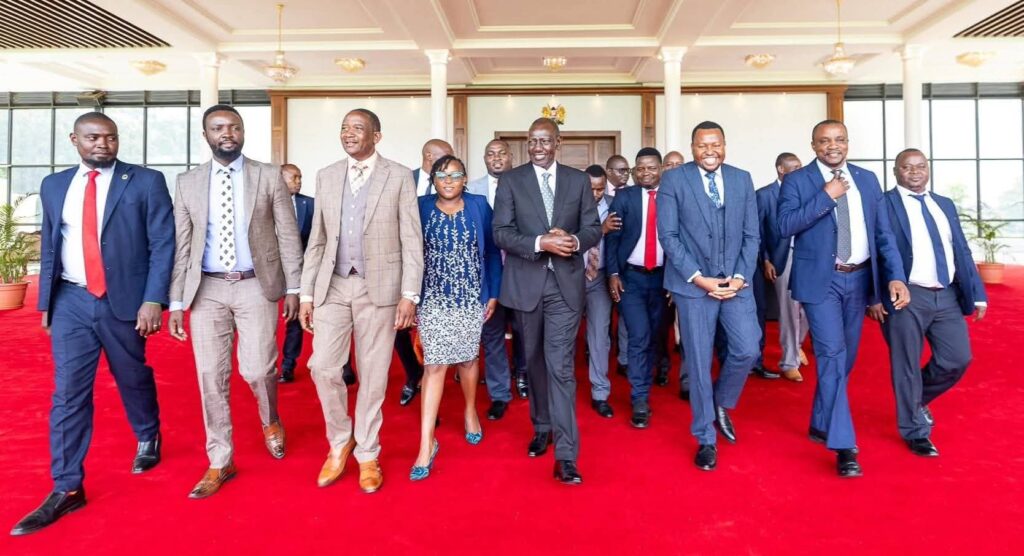
The back-to-back engagements with President Ruto have sent shockwaves through Kalonzo’s political base, with analysts describing them as clear signs that the once unified Ukambani political bloc is beginning to fracture.
At the centre of the emerging wave is Augustus Kyalo Muli, the Party Leader of the National Liberation Party (NLP), who has been quietly but aggressively positioning his party as the next political vehicle for the region.
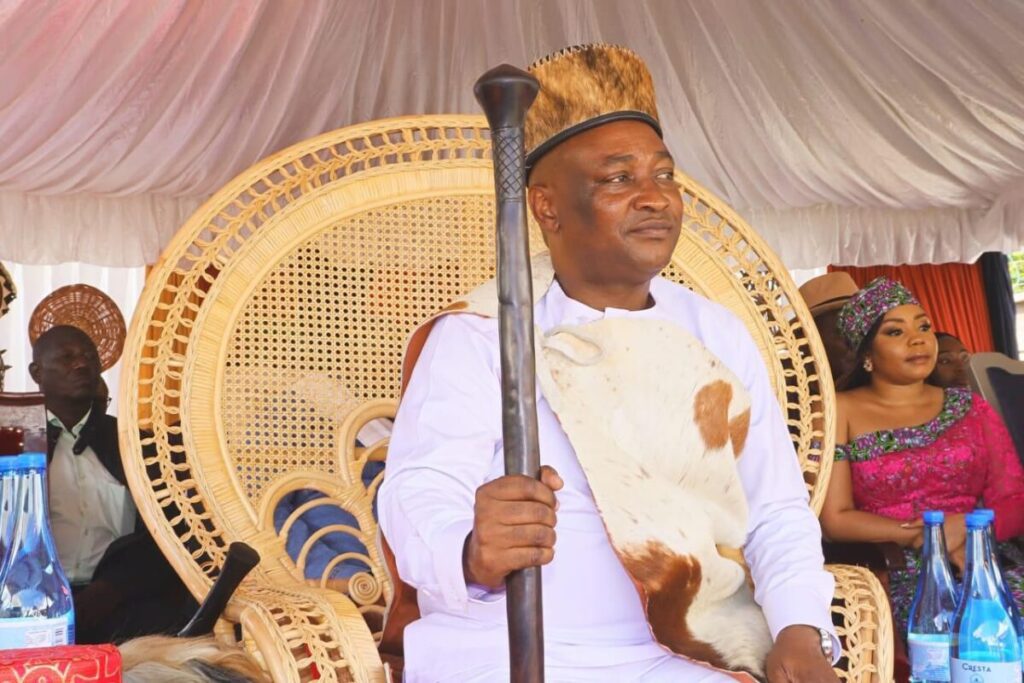
Dr. Muli has launched what he calls an “onslaught on unproductive leadership,” combining aggressive grassroots mobilisation with strategic court battles that have elevated the party’s profile nationally.
According to party insiders, NLP has already surpassed half a million registered members across the wider Ukambani region—a figure that underscores the party’s rapidly expanding political machinery.
The party’s growing momentum is further boosted by the backing of the powerful Anzauni clan, one of the most influential community blocs in Ukambani, giving NLP deep cultural legitimacy and grassroots reach.
Meanwhile, a host of Ukambani political heavyweights appear to be drifting away from Kalonzo’s orbit.
Leaders such as Charity Ngilu, Alfred Mutua, Johnstone Muthama, David Musila, Jonathan Mueke, Charles Nguna, Nimrod Mbai and Peninah Malonza are among those increasingly aligning themselves with President Ruto’s political camp.
Political observers say the growing list of defections and shifting loyalties reflects a deeper resistance to what critics describe as the “monopolisation of Ukambani politics.”
Ironically, while President Ruto has been actively courting Ukambani leaders in an effort to expand his political base in the region, Kalonzo has reportedly responded with warnings and political pressure against those engaging with State House.
Analysts warn that this strategy could backfire.
Political commentator Joseph Mutua argues that Kalonzo’s presidential ambitions could face serious headwinds if he fails to reconcile with the rising political forces in his backyard“Ukambani politics is no longer a one-man show,” Mutua says. “If Kalonzo wants to remain relevant nationally, he must first rebuild consensus at home.”
As the 2027 succession battle slowly takes shape, the question echoing across Ukambani’s political corridors is becoming louder: Will Kalonzo Musyoka swallow his pride and rebuild bridges within his backyard — or will he watch from the sidelines as a new political order takes shape in the region he once dominated?
