


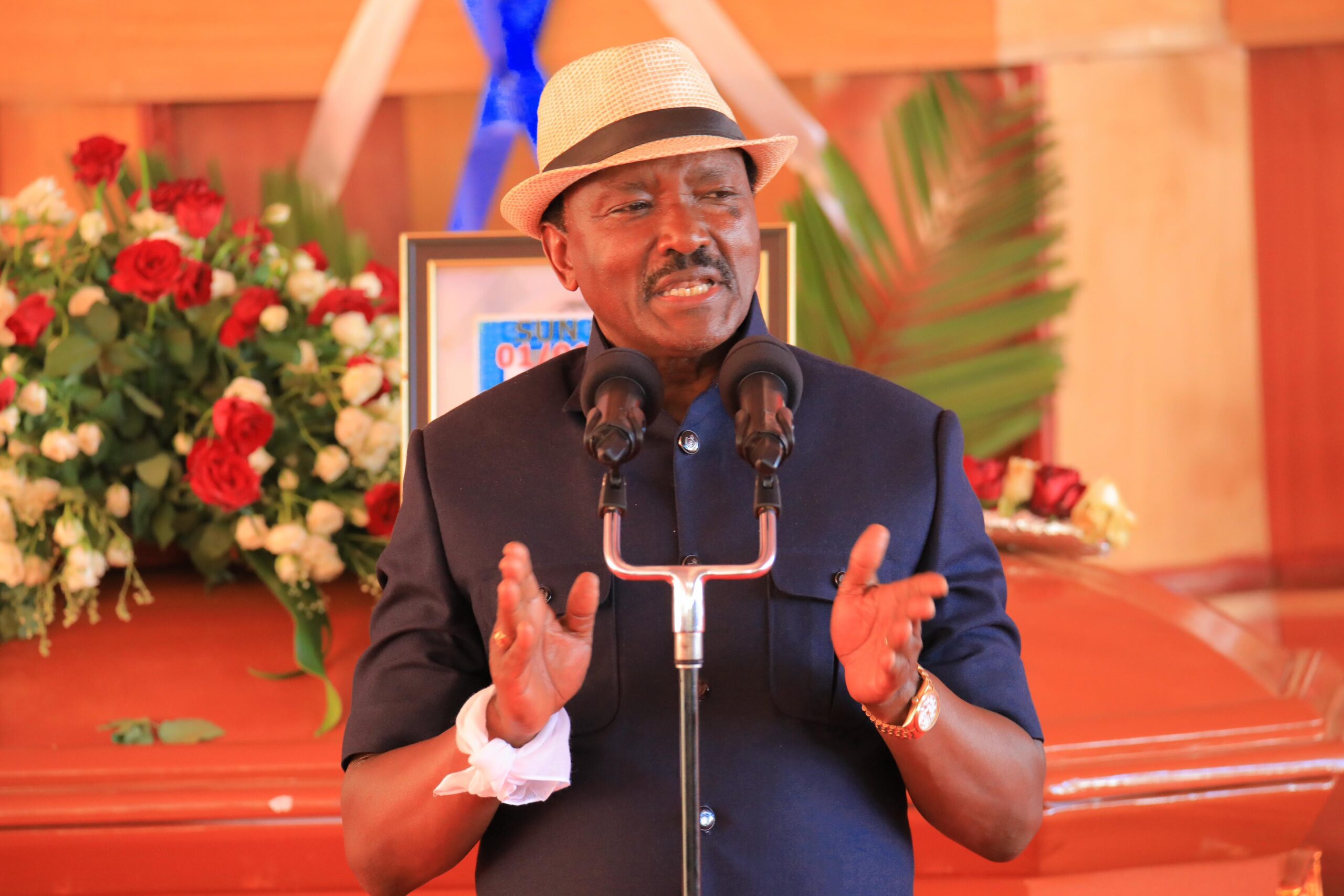
Wiper Party Leader Dr. Kalonzo Musyoka is set to make a dramatic return to his political roots tomorrow in a high-stakes grassroots meeting at his birthplace, Tseikuru. Dubbed #MunaHomeTseikuru, the event is widely seen as Kalonzo’s attempt to reassert control over Ukambani politics amid surging pressure from Dr. Augustus Kyalo Muli’s National Liberal Party (NLP).
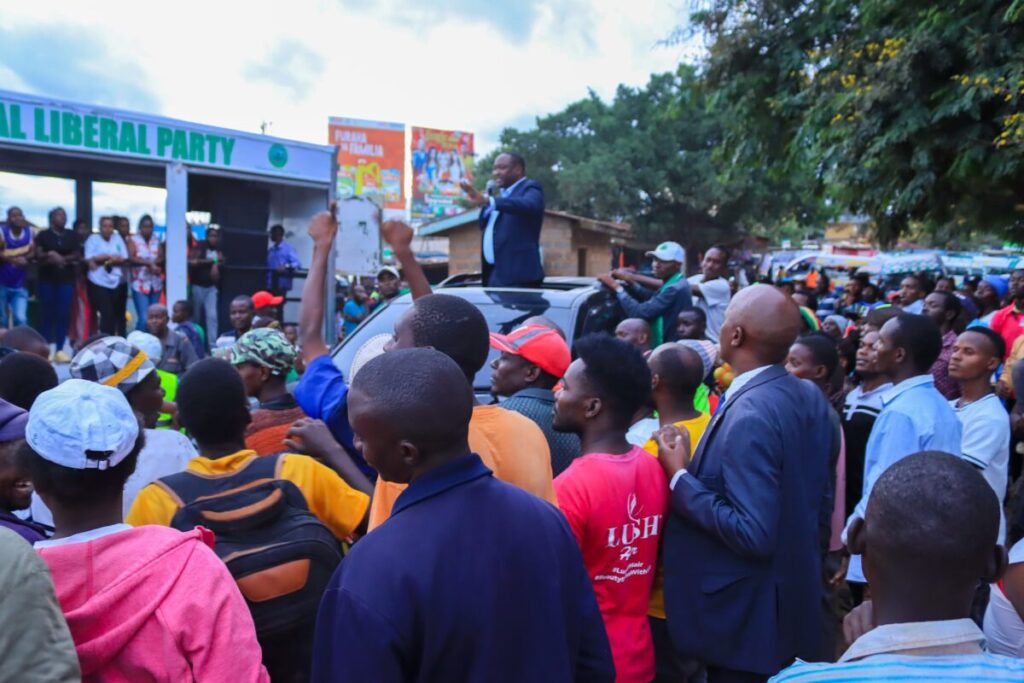
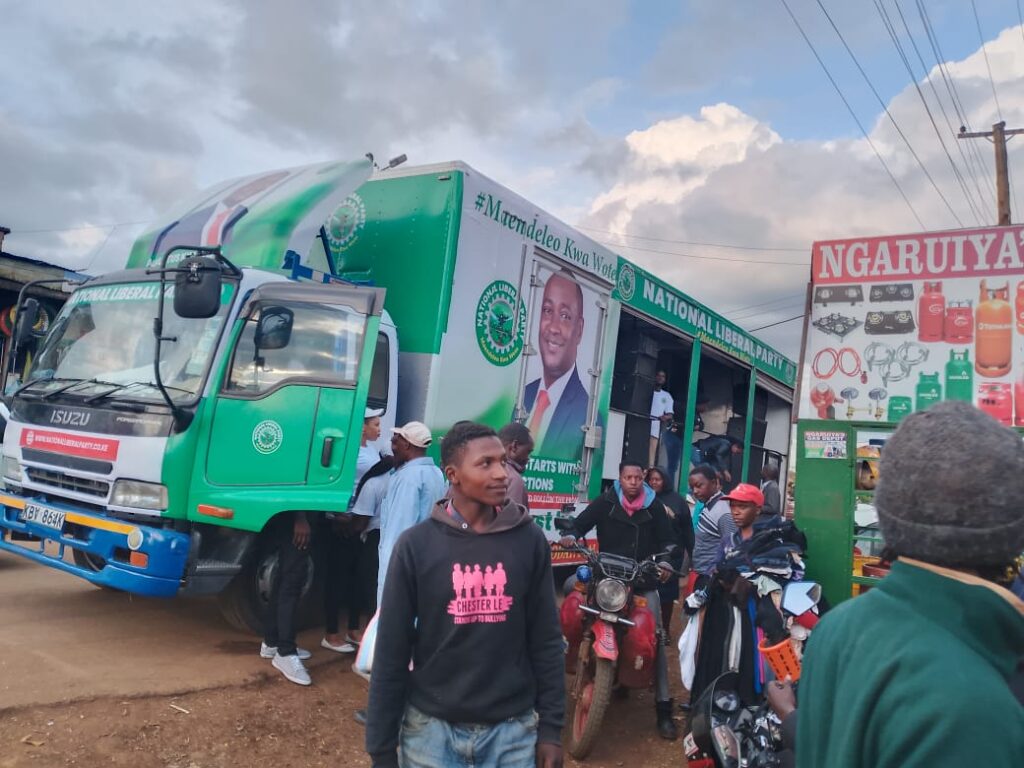
Sources close to the Wiper secretariat reveal that Kalonzo has been increasingly agitated by NLP’s aggressive grassroots mobilization, which has disrupted Wiper’s once-firm grip across Machakos, Kitui, and Makueni counties. For the past two months, the NLP has been outmaneuvering Wiper at the base — holding ward-level meetings, youth caucuses, and opening branches even beyond Ukambani. Just this week, NLP opened its 30th and 31st branches in Lari and Limuru constituencies respectively.
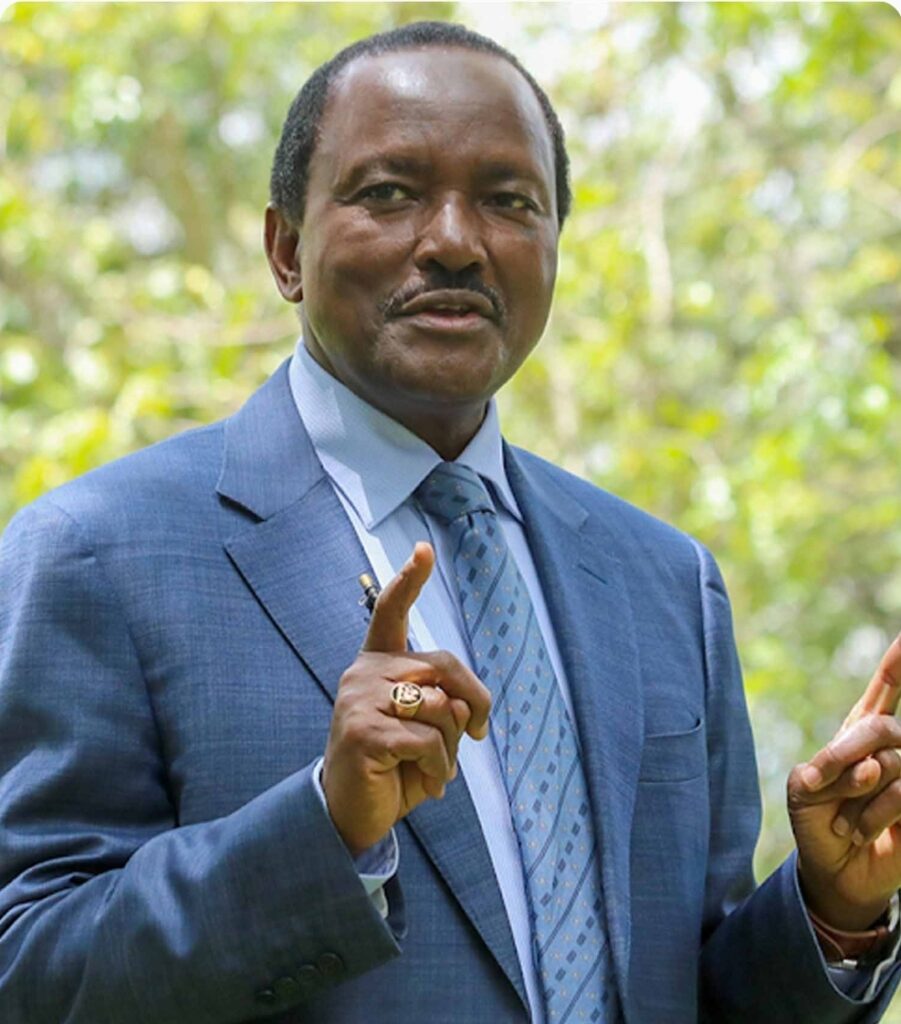
The rapid pace and scale of NLP’s growth has reportedly unsettled Kalonzo, prompting him to summon Wiper MPs for a tense meeting earlier this month. According to insiders, the former Vice President challenged his MPs to “get back to the ground” and help reclaim the party’s slipping influence. The Tseikuru event is his response — a homecoming meant to rally the base, stamp authority, and send a clear signal that Wiper is not about to cede ground to upstarts.

Political commentators argue that this move mirrors global political patterns, where once-dominant parties falter when they lose connection with the grassroots. The rise of the Labour Party in the UK under grassroots campaigner Jeremy Corbyn, or even the resurgence of nationalist parties in Eastern Europe, shows that power is increasingly shifting to formations that touch the base — exactly what NLP is capitalizing on.
Peter Muendo, a local political analyst, told Channel 15 News that Kalonzo’s decision to go back home is both symbolic and strategic. “This is not just a rally. It’s an acknowledgement that Ukambani politics has changed. For Kalonzo to remain relevant nationally, he must first solidify the backyard — and possibly open talks with parties like NLP, Maendeleo Chap Chap and others already forming regional power centers.”

Expected at tomorrow’s meeting are top opposition figures such as former Deputy President Rigathi Gachagua, Martha Karua, Eugene Wamalwa, former Attorney General Justin Muturi, former Agriculture CS Muhisa Kituyi, and Saitoti Torome. Their presence hints at broader coalition talks, possibly positioning Ukambani as a pivotal bloc ahead of 2027.
As the stage gets set in Tseikuru, the big question remains:
Has Kalonzo finally felt the grassroots heat and retreated to re-strategize? Or is this just another solo comeback to guard his legacy?
Whatever the case, the political temperature in Ukambani has officially spiked — and all eyes are now on Tseikuru.
