


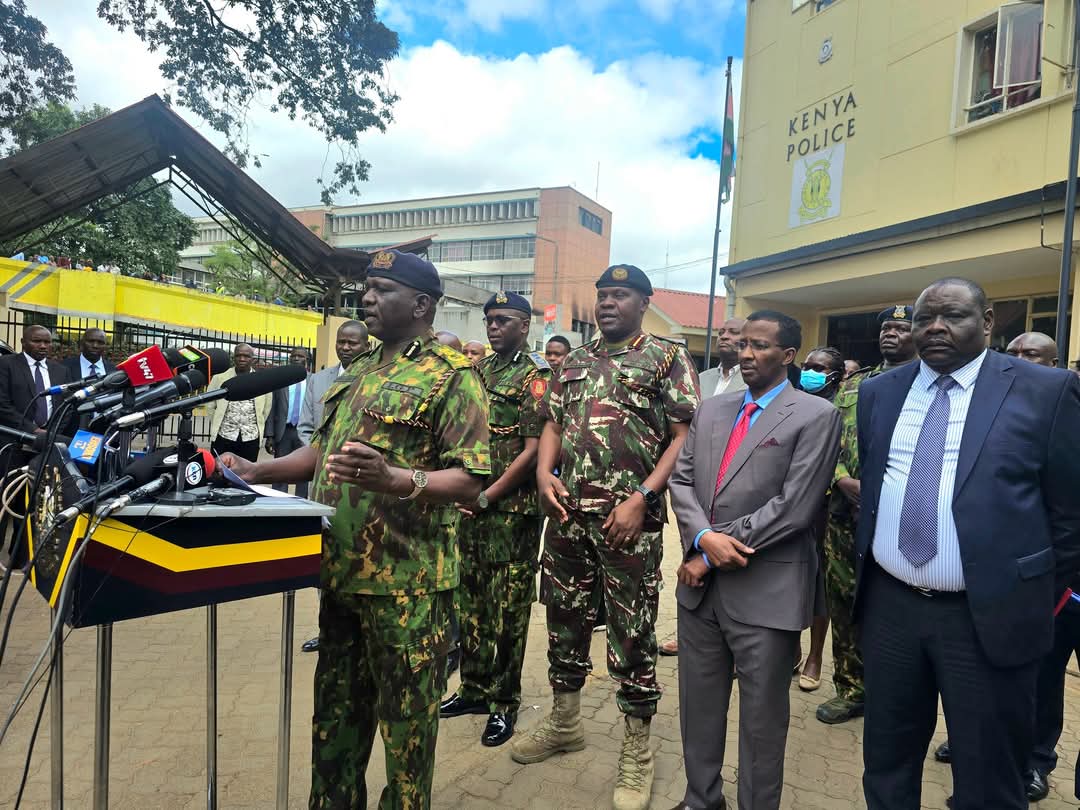
The Independent Policing Oversight Authority (IPOA) has officially launched investigations into the mysterious death of Albert Ojwang in police custody, vowing to leave no stone unturned—just hours after the Inspector General of Police Douglas Kanja suspended the entire duty team at Nairobi’s Central Police Station.
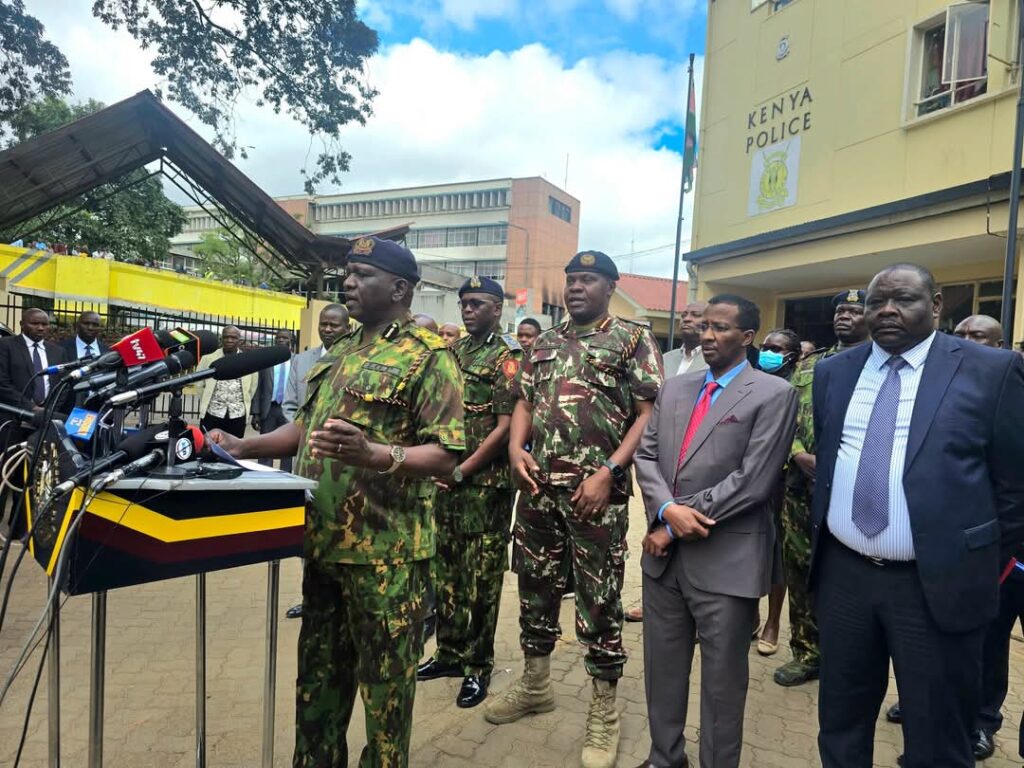
Speaking during a high-profile press briefing held right inside the very walls where Ojwang allegedly sustained fatal injuries, IPOA Chairperson Isaak Hassack confirmed that the watchdog had received a formal communication from the IG and had commenced a full probe “in accordance with the law.”
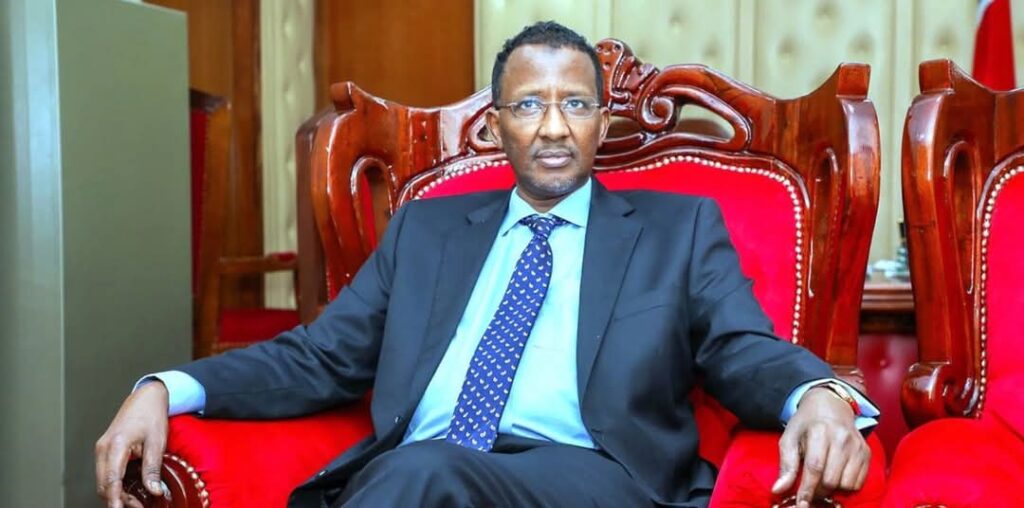
“I watched Mzee Ojwang on TV crying,” Hassack said, referring to the father of the late Albert. “Any parent will feel the same pain when they have lost their son. I want to assure him and the public that IPOA will do everything possible to ensure justice is served to the family.”
Hassack didn’t stop there. With sharp eyes scanning the crowd of uniformed officers and journalists, he issued a stern warning: “We are happy that the IG has interdicted all officers who were in this station at the material time. But we want to caution those appointed in their place not to interfere with investigations.”
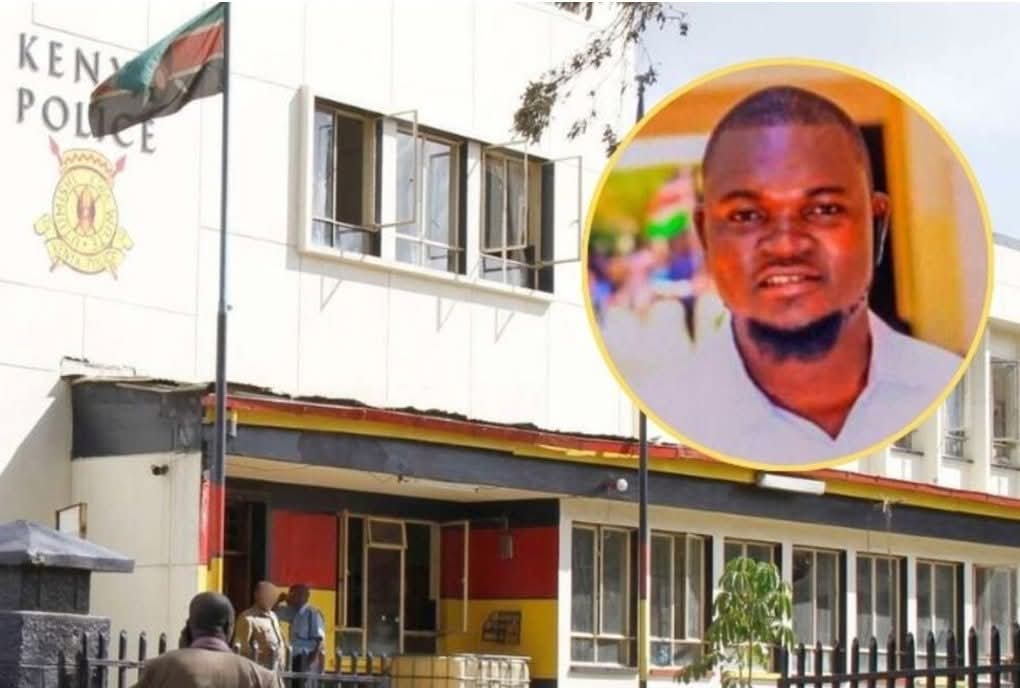
The suspensions came just a day after nationwide uproar over the suspicious death of Ojwang, who was arrested in Migori County on vague charges of “false publication” and transported over 300 kilometers to Central Police Station, Nairobi. The police claim he “hit his head against a wall” inside the cell—an explanation many Kenyans have outright rejected.
What has shocked the public even more is the total absence of an Occurrence Book (OB) entry registering Ojwang’s custody. Friends and family say he simply disappeared into the system. Witnesses who saw his body later described injuries that were inconsistent with the official story—deep bruises, facial swelling, and signs of blunt force trauma.
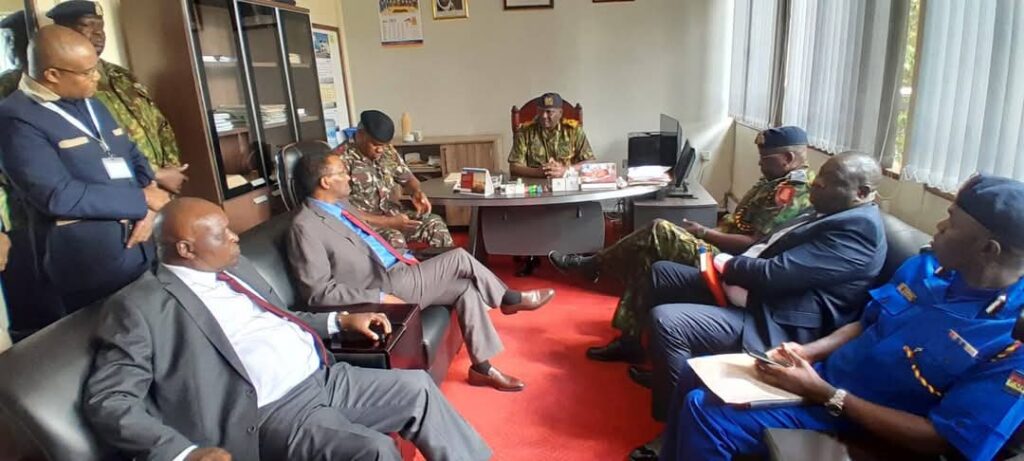
Amid public pressure, IG Kanja was forced to act. In an unprecedented move, he ordered the immediate interdiction of every officer who was on duty at the station that night—starting from the Officer Commanding Station (OCS), the duty officer, the cell sentry, and all those manning the report office. The message was unmistakable: no rank would shield anyone from accountability.
The presence of both Deputy Inspectors General—AP’s Noor Gabow and Kenya Police’s Douglas Kirocho—alongside IPOA, gave the press conference the gravity of a state crisis. The silence from the usually impenetrable blue wall of police officers has now cracked wide open.
As IPOA takes the reins of the investigation, Kenyans are watching closely. The big question now: Will the truth survive the walls of Central Police Station?
For the Ojwang family, and for a country increasingly tired of unanswered deaths in state custody, this isn’t just another file on a government desk. It’s a demand for justice, transparency, and the right to life.
And this time, the system has been put on notice.
