



The Independent Electoral and Boundaries Commission (IEBC) plans to increase the number of polling stations from 46,229 to 55,393 ahead of the August 10, 2027, General Election, amid growing scrutiny of electoral reforms, costs and ballot paper security.
The proposed expansion is intended to ease congestion and streamline voting by ensuring that polling stations accommodate no more than 700 voters each.
The allocation of the additional 9,164 stations will depend on the final outcomes of Continuous Voter Registration and Mass Voter Registration, which will determine where additional facilities are required.
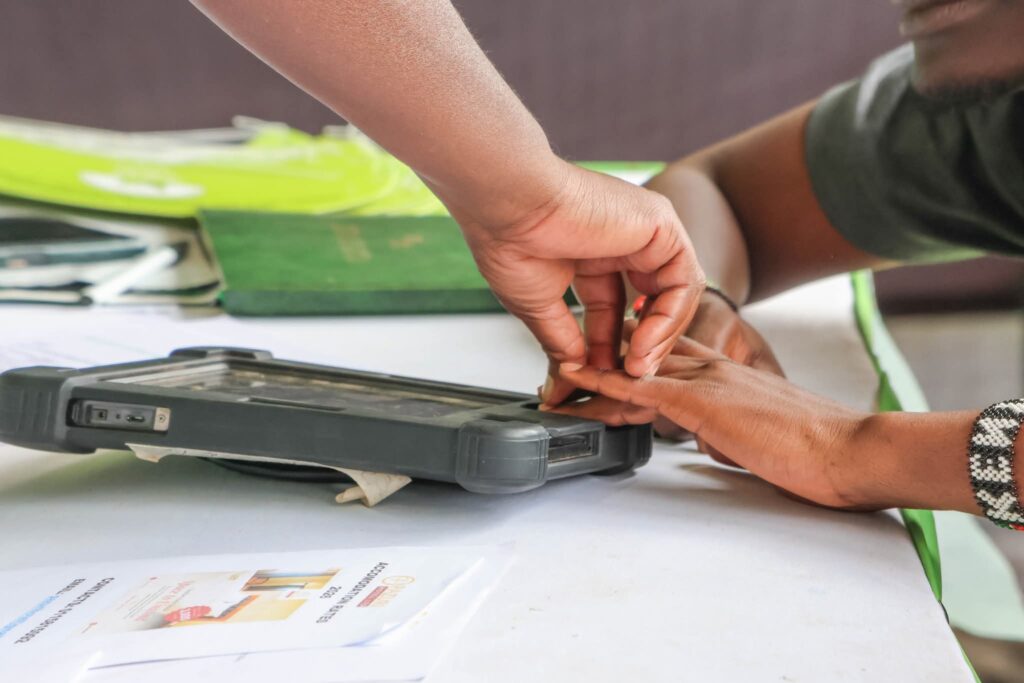
To support the expansion, the commission plans to deploy 59,959 Kenya Integrated Election Management System (KIEMS) kits, including 3,959 reserved for training.
The expansion is part of a wider election budget of KSh61.7 billion requested by the commission to finance preparations for the 2027 polls.
However, the proposals face scrutiny from MPs, who have questioned the timing and cost of implementing electoral reforms, including proposed changes to the legal limits governing voter allocation at polling stations.
The debate comes as the commission faces a separate legal challenge over changes to ballot paper security specifications.
Busia Senator Okiya Omtatah has moved to the High Court seeking to challenge the IEBC’s decision to relax several security requirements for ballot papers intended for the 2027 elections.
The disputed changes include replacing multi-coloured serial numbers with single-colour black numbering, variable guilloche patterns with static designs, and variable micro-text with static micro-text.

The revised specifications also allow blind embossing without metallic foil stamping, replacing the previous requirement for metallic foil stamping.
Omtatah has questioned whether the changes provide adequate safeguards against possible electoral malpractice, placing the commission’s procurement decisions under legal scrutiny.
The dispute comes as the IEBC prepares for an election expected to require extensive logistical planning, voter registration, election technology and secure ballot materials.
The court challenge does not, by itself, establish that the revised specifications compromise ballot security. The legal proceedings will determine the issues raised in the petition.
With preparations for the 2027 polls gathering pace, the commission faces questions over how it will balance operational efficiency and expenditure with the need to maintain public confidence in the electoral process.
