


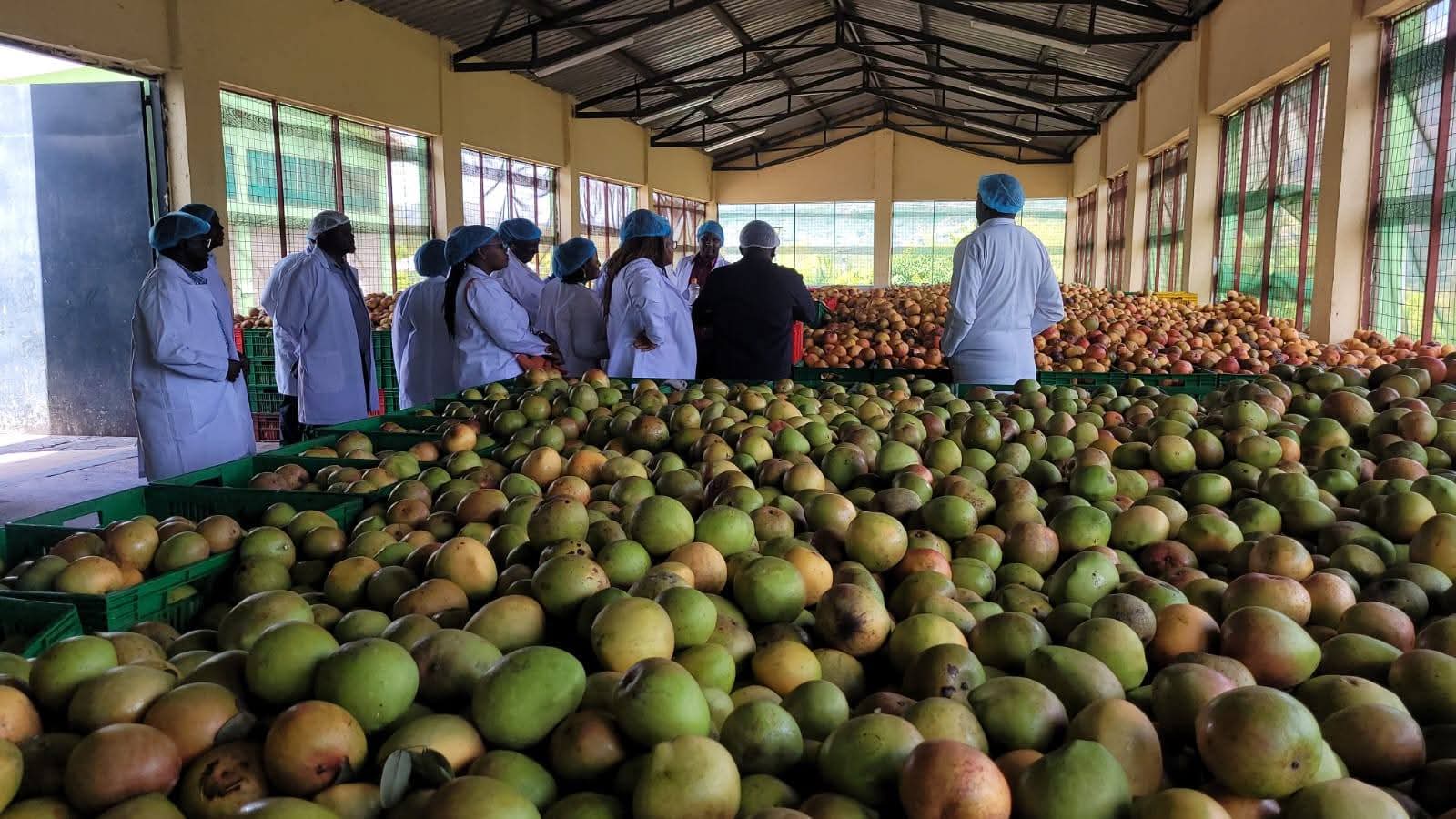
In the heart of Makueni County, a once‑dreamt project is now reshaping agricultural value chains and inspiring counties across Kenya. The Kalamba Fruit Processing Plant was established in 2017 by the Makueni County Government through the Makueni County Fruit Development and Marketing Authority (MCFDMA) — has become a model of agro‑industrial transformation, turning mango farming from subsistence into a viable, market‑driven agribusiness.
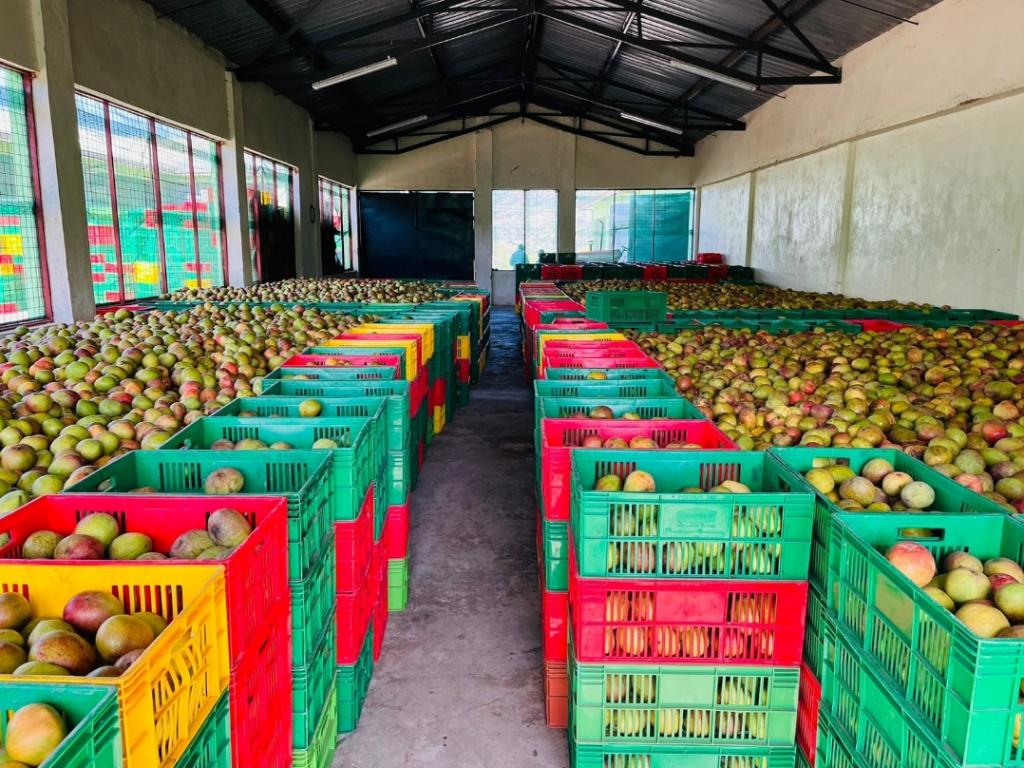
What began as a response to serious post‑harvest losses — where 30–40% of mango produce went to waste each season — has grown into an end‑to‑end value addition system. The plant originally focused on processing mangoes into puree, providing a market for farmers who were previously forced to sell at rock‑bottom prices or see their fruit rot in the fields.
The Kalamba facility, commissioned in June 2017 by then‑Governor Kivutha Kibwana, was designed to absorb local produce and stabilize prices for farmers who had long faced exploitation by middlemen. Its capacity — processing up to five metric tonnes of mangoes per hour into approximately 3,000 litres of mango concentrate — was a game‑changer for a county known for its dense mango orchards.
Over the years, Makueni expanded the plant’s capabilities. With support from partners and strategic investments, it added ready‑to‑drink juice production, enhancing product range and boosting market opportunities. The county also ensured products meet industry standards — with quality assurance and certification by the Kenya Bureau of Standards — enabling both local retail presence and exports to neighbouring markets.

Central to Kalamba’s success has been the MCFDMA’s mission: not just to process fruit, but to uplift farmers’ livelihoods. Beyond value addition, the authority has worked on farmer training, market linkage systems, and public‑private partnerships that deepen participation across the supply chain — from orchard to finished product.
Despite its achievements, the plant still confronts challenges typical of agro‑industrial ventures. Underutilization and limited procurement capacity have been raised by farmer groups seeking more robust support — especially during peak mango seasons. But even amid such challenges, Kalamba remains a vital node in Kenya’s agricultural economy, helping reduce post‑harvest loss, stabilise prices, and create direct and indirect employment.
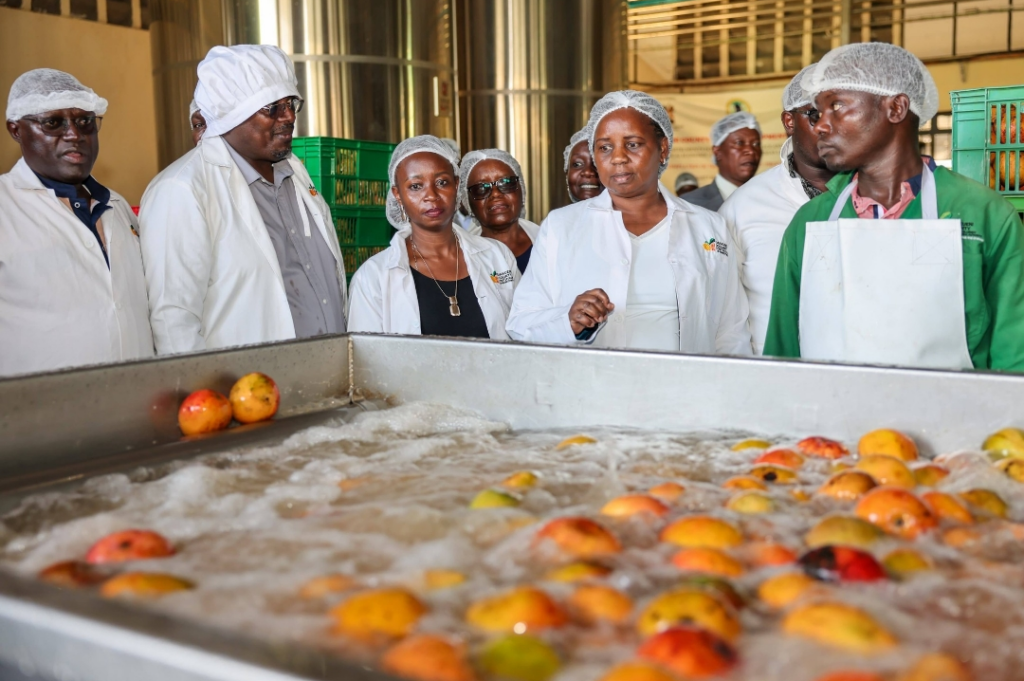
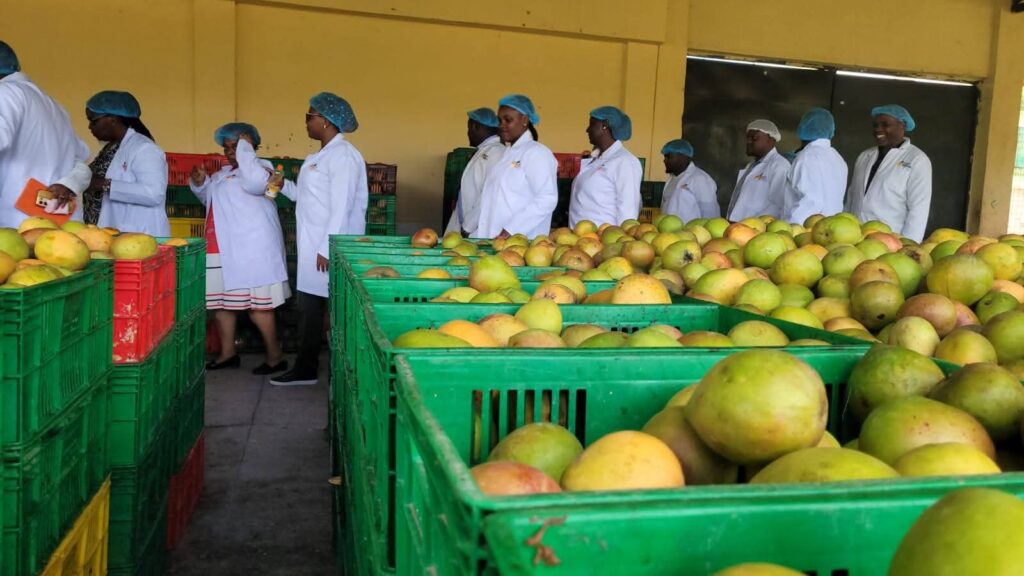
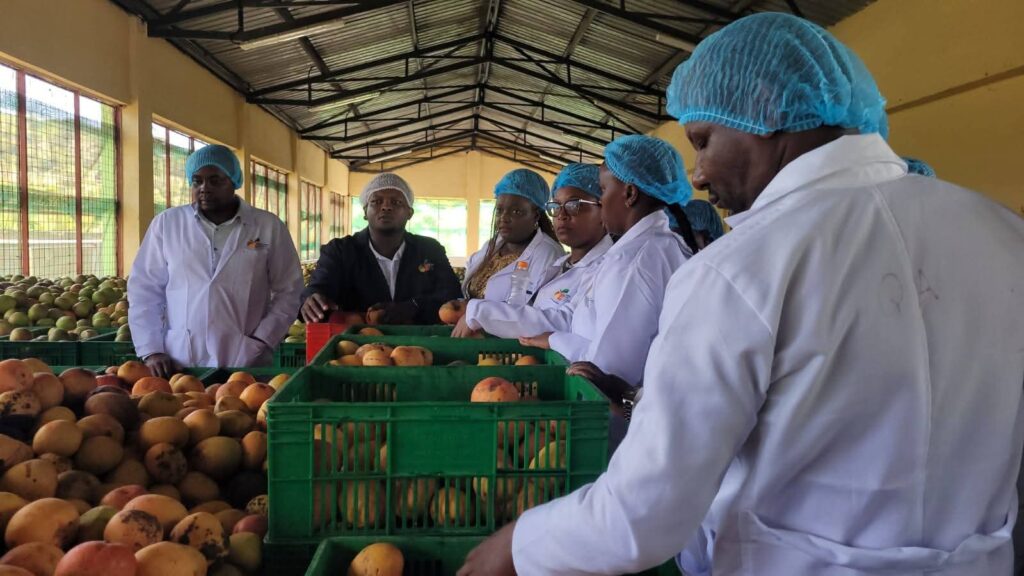
This leadership in value addition was recently underscored when Murang’a County Assembly Committees on Agriculture and Trade made a benchmarking visit to Kalamba.
Delegates observed how Makueni’s integrated approach — from early farmer organization and extension services to product branding and market access — provides a roadmap for other counties aspiring to replicate mango value chain success.
For Makueni’s smallholder farmers, this is more than industrial progress — it’s economic transformation. Mango growers now have predictable markets and structured production channels, reducing dependence on middlemen and putting value back into the hands of producers.
As Kenya pushes to increase domestic agro‑processing and maximize earnings from agricultural exports, the Kalamba model stands out: proof that strategic vision, public participation, and investment in value addition can turn fruit bounty into sustainable rural prosperity.
Full Story First on www.channel15news.co.ke
